Utahns join nationwide push to have secretive WWII unit recognized with Congressional Gold Medal
Nov 2, 2017, 7:02 AM
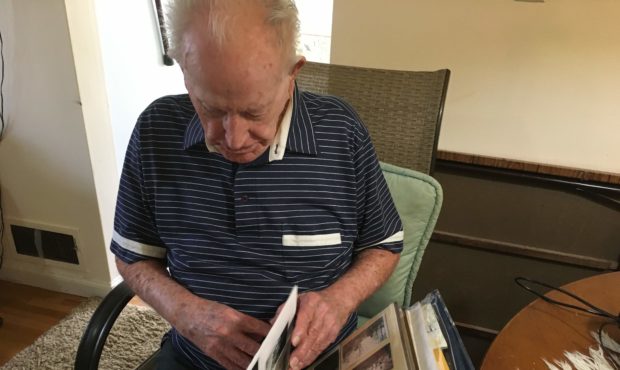
They were among the most secretive of units to serve in Europe during World War II. Now, descendants of soldiers who served in what’s known as the Ghost Army, are pushing to have them recognized before it’s too late. And a Salt Lake City man, Stanley Nance, 99, is among the few of the original 11oo who are still alive.
Nance, who lives in Millcreek, was a member of the 23rd Headquarters special troops. It was a hand-picked unit set up with one idea: trick the enemy into thinking soldiers and artillery were in place when in reality, they were realistic Hollywood-like props.
“The Germans didn’t even know we were there,” said Nance. “In fact, 99% of the American Army in Europe didn’t know we were there.”
Their mission was deception, aimed at tricking German intelligence, forcing them to spread out their numbers as the allied forces took back France and rolled into Germany.
“We scattered the German Army,” said Nance.
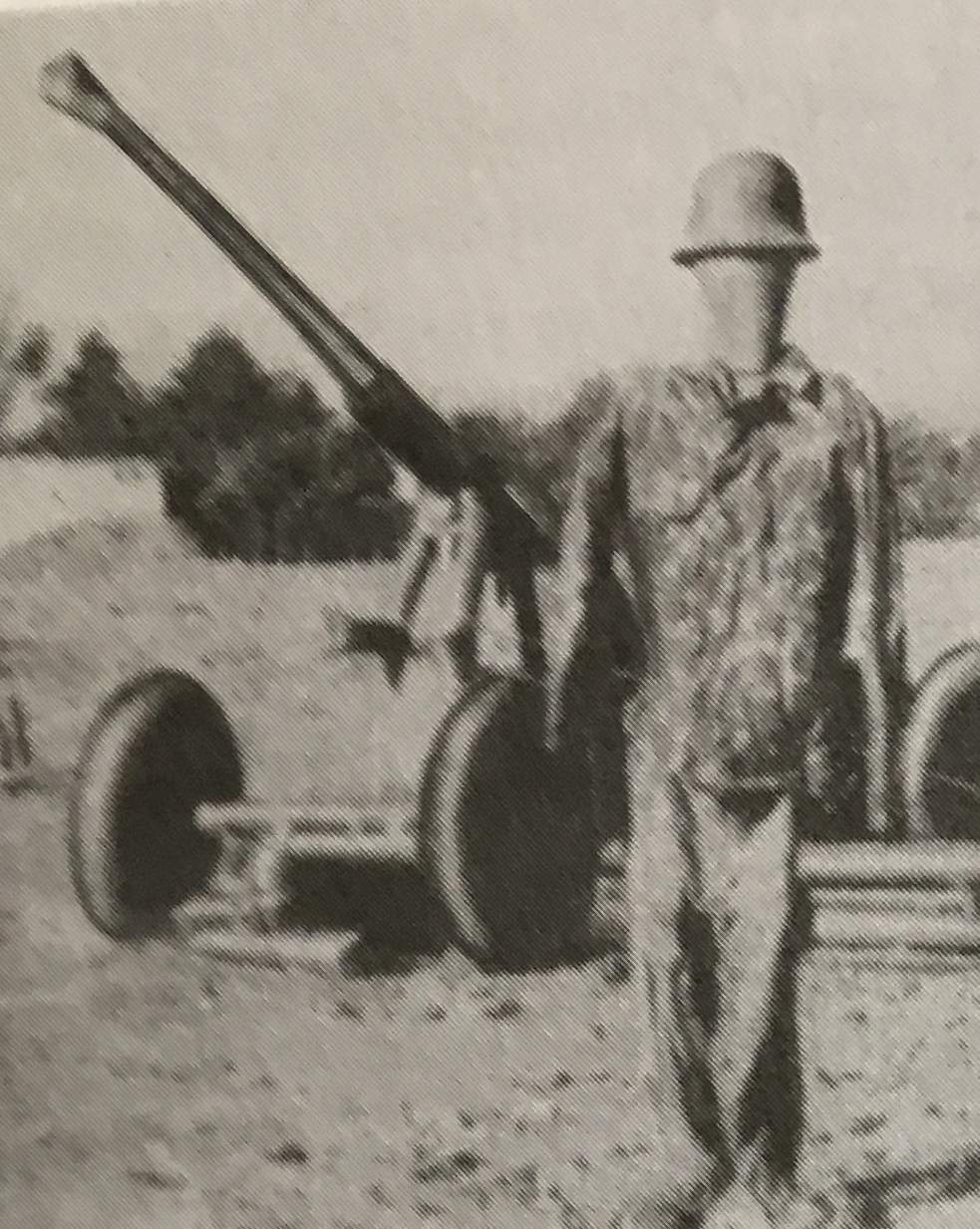
They did it by putting up air-filled props depicting tanks, howitzers and other vehicles, making sure to even put track ruts in the ground, by using loudspeakers to blare sound of fake units moving in and out, and by using radios to mimic transmissions of the groups they replaced. At times, they would drive through newly taken towns with markings of other Army units on their jeeps, all in the effort to trick any spies into thinking those units were still there.
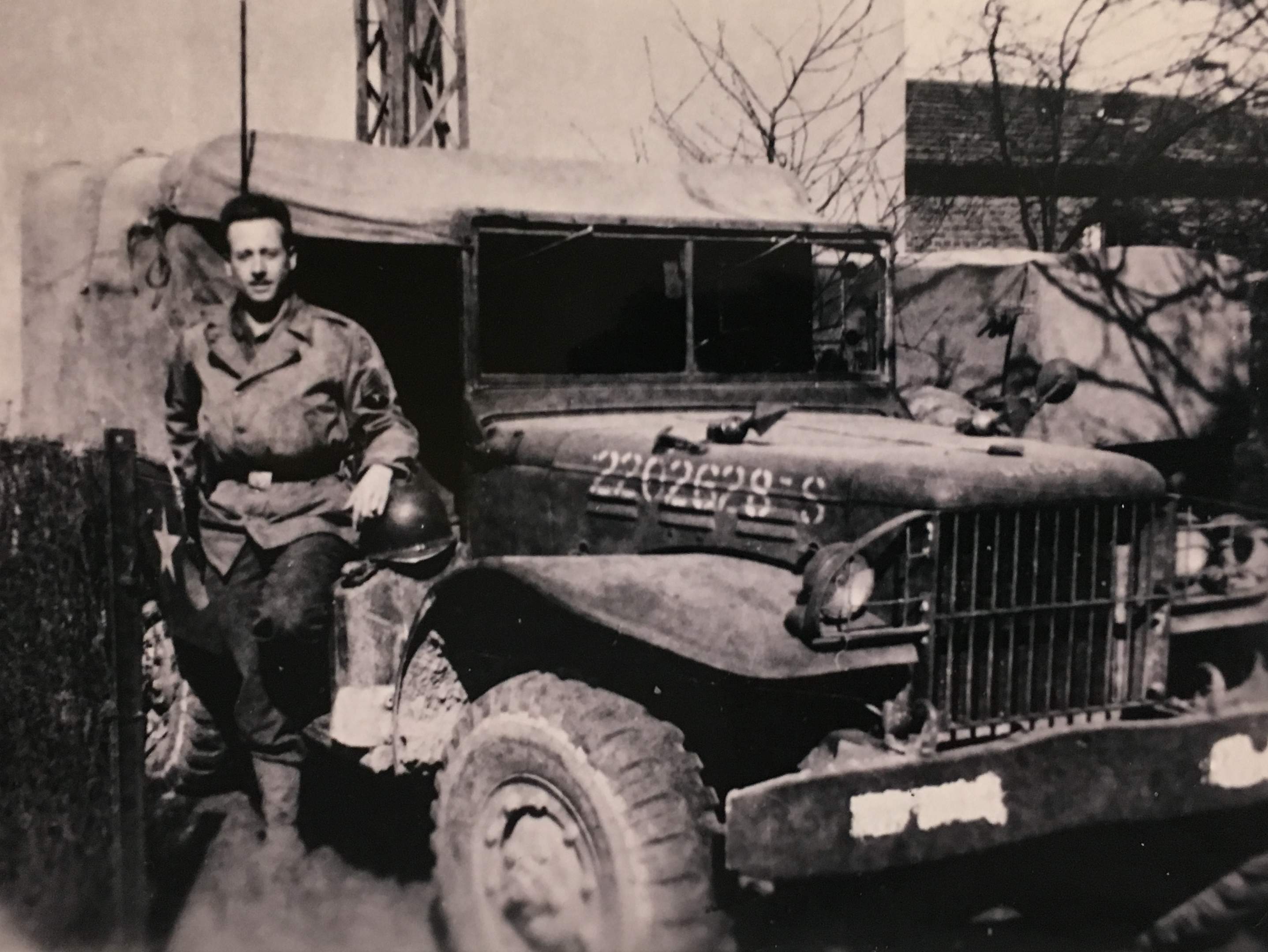
Nance was a radio operator with the 23rd. While some in his unit concentrated on sending fake messages, his role was more hidden. When a unit was moving out, he would move in, park his radio truck next to the one of the departing unit, and learn to every nuance of the operator that was to replace, then continue the transmissions, while the other operator moved on with his unit. Nance said they knew the enemy was listening.
“And they had expert men, expert equipment where they could tell if there was any change in personnel,” Nance said.
The ruse worked.
“The 23rd Headquarters special troops shortened the war by six months,” he said.
By some estimates, their actions saved between 15,000 and 20,000 lives.
Nance said he’s proud of the way they carried out their work.
“The way it was handled with precision and with secrecy, you can’t overstate that,” Nance said.
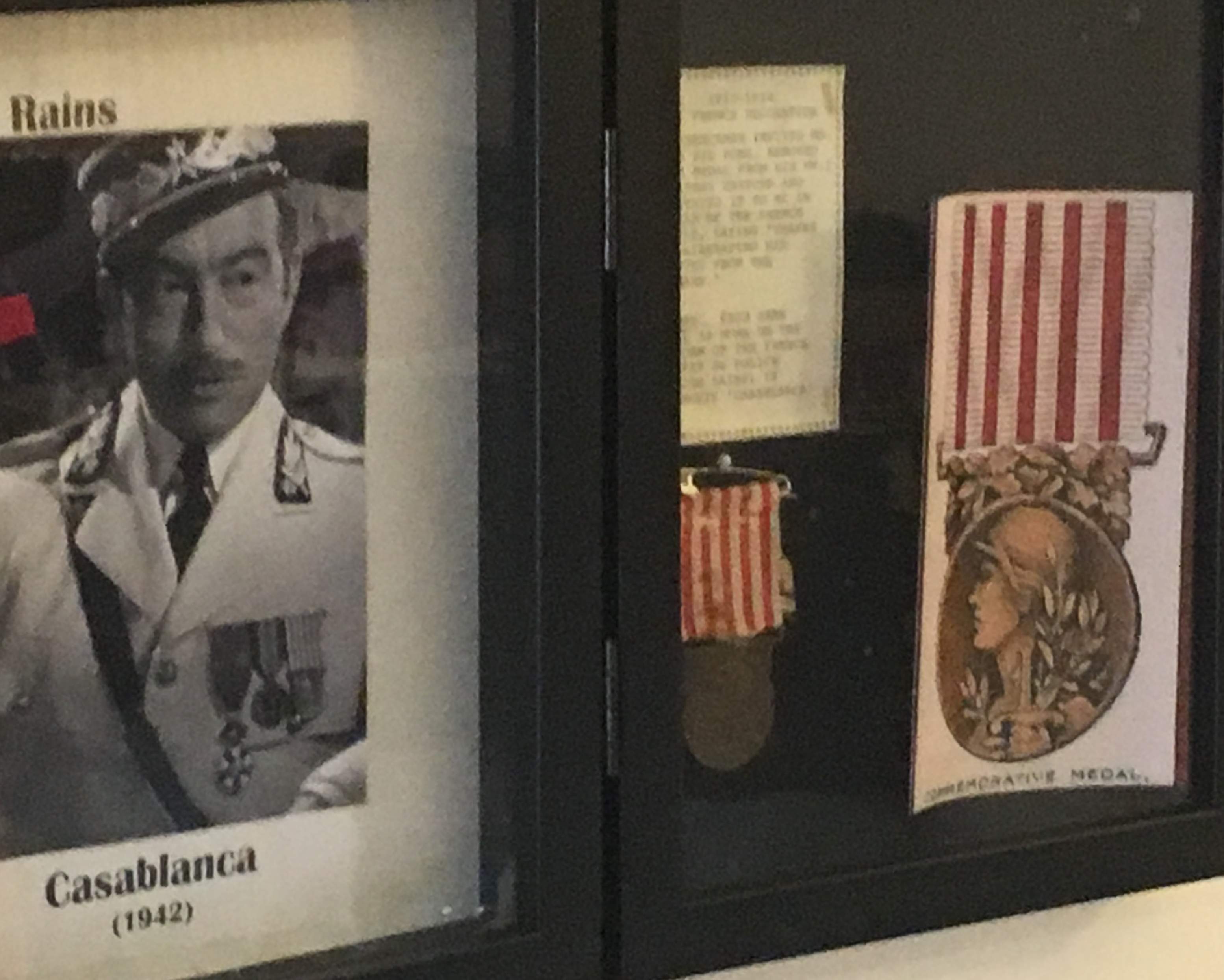
Even after the war, their mission remained a secret for decades. But he still treasures one small recognition he received, a World War I medal, given to him in France, by a veteran of that war.
“He took this medal off of his suit and handed it to me,” Nance said tearfully. “[He] put his arm around me, hugged me, kissed me on both sides of the cheek and told me how grateful he and the French people were.”
In another instance, Nance was reminded of the devastation the allied bombings had on small villages in Germany. He recalled a small German girl with her sister, sifting through the rubble of a town trying to salvage what she could. Clutched in her arm: a small headless rag-doll.
Some 75 years later, Nance is now one of maybe two-dozen of the unit still alive. His daughter, Jeri Newbold, is circulating an on-line petition.
“We just realize that over the last 75 years these brave men have never been able to be recognized for what they’ve done,” she said. The petition asks members of Congress to award the Unit a Congressional Gold Medal, as they have other outstanding units and individuals.