
When Nothing Else Works: PCIT or Parent-Child Interaction Therapy
Sep 26, 2018, 8:17 AM
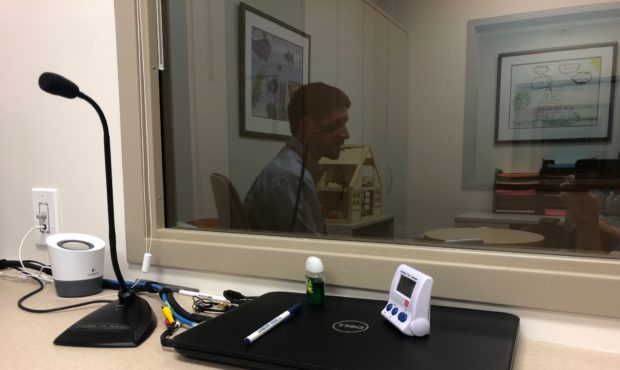
Dr. Keeshin sits in front of the one-way glass as he explains how PCIT, Parent-Child Interaction Therapy, works.
SALT LAKE CITY — When a child is overly aggressive or out of control, some parents may not know what to do. But a research-based therapy offered at several places in Utah is helping many families survive and thrive. It’s called Parent-Child Interaction Therapy, or PCIT.
Tricia Jeppeson first learned about PCIT from the University of Utah Behavioral Health Clinic when she was struggling with her son.
“We kept losing him. He kept climbing the fence. He was a little bit impulsive. He was having trouble transitioning, and nothing we were doing was working,” she remembers.
She followed her gut and called a psychiatrist, which led her to the U. and PCIT.
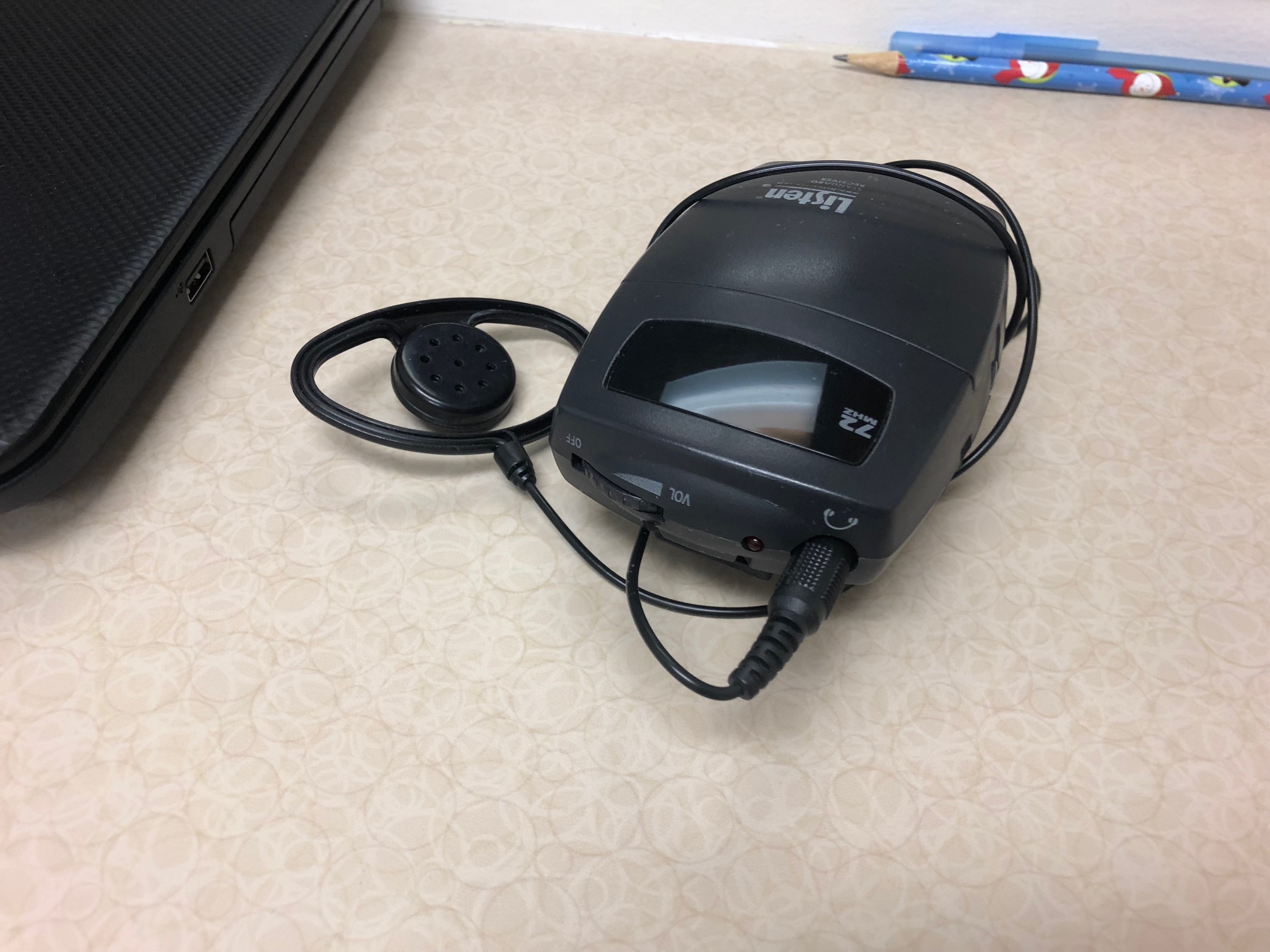
One parent wears this earpiece to receive feedback from a therapist during PCIT
“We brought our son in and one of us sat behind the glass with the therapist, and other one had the headset on, and we would do play,” Jeppeson explains.
The therapist coached her or her husband through the headset.
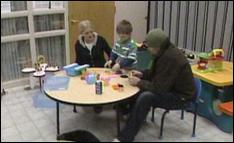
A family works through PCIT (KSL file)
Dr. Brooks Keeshin, with the University of Utah Medical School and Primary Children’s Hospital, explains it’s very different than traditional talk therapy where a parent might drop a child off for an hour and walk away.
“It becomes this kind of really ‘in vivo’ or live practicing of what is probably happening multiple times a day at home, but in the safety of an observation room with the support of a therapist,” he says.
There are toys, a microphone, a headset and one-way glass.
“[We’re] coaching the parent as to how to effectively communicate with the child,” Keeshin says.
Parents learn in the moment how to use strategies such as labeled praise, reflective listening and descriptive language.
“Now that’s not to say that parents aren’t – didn’t know how to talk to the child beforehand, but it’s giving the parents some additional skills, some additional techniques, to enhance their relationship,” Keeshin adds.
PCIT is typically done with children under the age of 7, and most often around the age of 4 or 5. Keeshin says it’s for children who are aggressive, acting out more than usual, who may have trauma, PTSD, anxiety or ADHD.
The Jeppesons say it changed everything for their son as he entered kindergarten.
“It was almost like suddenly, he understood the rules of the game,” Tricia Jeppeson says. “It’s made a world of difference for him. He’s in first grade now, he’s doing well… and now when other well-meaning people try to butt in or offer feedback on him, I can just say, ‘You know, we’ve got it. We’ve got it taken care of. Thank you.'”
Keeshin says it’s not another level of therapy; it’s a different kind of therapy.
“It’s important that the parents feel empowered to be there for the child,” he says.






