The DNA diet: How knowing your genes can help you fit into your jeans
May 27, 2019, 11:42 AM
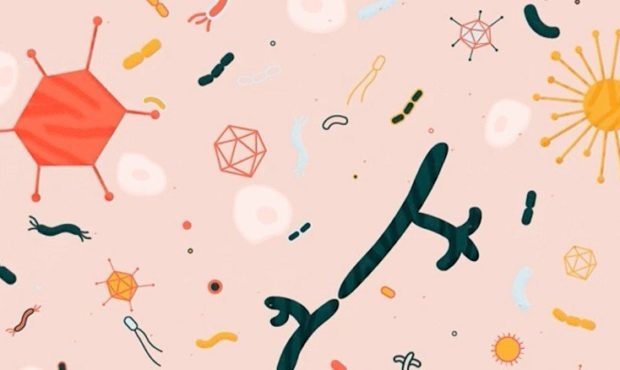
What many people may not realize is that there is a significant interaction between your environment and your genes, and your diet is one of the most basic and potentially modifiable components of your environment. Photo: CNN
By Dr. Melina Jampolis, CNN
(CNN) — “One man’s food is another man’s poison.” – Lucretius (99-55 B.C.)
Most people have this basic understanding of genetics: You inherit genes from your parents, and their DNA combines to create your unique genetic makeup. This can include more obvious traits such as eye color and height but also more complex traits that may involve multiple genes, such as risk of diseases including diabetes, heart disease, obesity and cancer, as well as all aspects of metabolism.
The Human Genome Project — an international 13-year collaboration that mapped out all of the genes in humans — discovered approximately 50,000 variances (differences in the individual DNA code) in our genetic code that can make a difference in how your body functions.
What many people may not realize is that there is a significant interaction between your environment and your genes, and your diet is one of the most basic and potentially modifiable components of your environment.
This interaction has led to a field called nutrigenetics, which looks at how our genes determine our response to nutrients in food and beverages. By better understanding an individual’s response to specific nutrients, health-care practitioners could deliver more precise and effective nutrition recommendations.
While an overall healthy diet that includes a large variety of foods can help mitigate many of these individual genetic variations, some of the controversy over what constitutes a healthy diet may be due, in part, to individual genetic variances.
One interesting example involves a nutrient that doesn’t get a lot of attention: choline, commonly found in egg yolks. When public health officials began to target dietary cholesterol reduction for heart health, eggs became perceived as unhealthy. Reducing dietary cholesterol may have been useful for some for lowering blood cholesterol levels, but nutrigenetics research has found several genetic variants that may lead to health problems including fatty liver, infertility and muscle loss in individual carriers of the variants who consume inadequate amounts of choline.
Other controversial nutrients that could be better addressed by considering nutrigenetics include saturated fat, vitamin D and sodium (salt). The seemingly contradictory research findings about these nutrients may be due, in part, to individual genetic variation that dictate the response of an individual, rather than a group, to these nutrients.
Although most experts agree that avoiding excessive saturated fat intake keeps us healthy, the rising popularity of high-fat, low-carb and ketogenic diets have led many to disregard these recommendations.
Jose Ordovas, director of nutrition and genomics at the Jean Mayer USDA Human Nutrition Research Center on Aging at Tufts University, discovered an association between a genetic variation in the APOA2 gene, involved in fat absorption, that makes people more likely to gain weight when they eat a lot of saturated fat. For these individuals, saturated fat is an especially bad choice that promotes both excess weight and poor heart health.
Similarly, there are several genetic variances that influence the effect of dietary salt intake on blood pressure. In some individuals, nutrigenetic research suggests that dietary salt reduction is especially important for maintaining healthy blood pressure, while in up to 11% of the population, reducing salt to very low levels could actually increase blood pressure, according to Ordovas.
Why weight loss is so complicated
When it comes to weight loss, the role of nutrigenetics becomes significantly more challenging to unravel.
Obesity is a complex, multifactorial disease. There is a considerable genetic component to obesity (estimates range from 30% to 70%), and dozens of genetic variants have been associated with obesity and metabolism. Identifying those that are most likely to respond to specific dietary intervention is challenging from both a research perspective and a behavioral perspective because a diet works only if you follow it.
A 2012 Harvard study found that a variant in the FTO gene predicted significantly greater fat loss after two years in people with the variant who followed a high-protein diet and worse fat loss in those with the variant following a low-protein diet. But a widely publicized 2018 Stanford study found no association between weight loss on a low-fat versus low-carb diet based on three genetic variants.
Experts in the field of nutrigenetics, including Dr. Martin Kohlmeier, president of the International Society of Nutrigenetics/Nutrigenomics, explain these negative results quite simply: “The investigators happened to choose the wrong genetic variants. It may well work with others.”
Compliance is also a critical factor when it comes to weight loss and health. Do gene-guided diet interventions improve adherence to diet recommendations? Yes, says Ahmed El-Sohemy, professor and Canada research chairman in nutrigenomics at the University of Toronto who founded a company, Nutrigenomix, that provides DNA-based diet recommendations through health-care providers.
El-Sohemy published one of the first studies showing significant improvements in salt reduction with disclosure of genetic information. A more recent study focusing on genetic testing and behavioral change underscores the importance of providing actionable lifestyle recommendations and notes that “the most promising lifestyle changes were changes in nutrition.”
The DNA Diet
Despite the lack of consensus surrounding many gene-based nutrition interventions, many companies are commercializing gene-based diet and nutrition programs.
The DNA Diet, which offers a digital weight-loss program based on personalized diet and lifestyle recommendations resulting from DNA, aims to support the behavioral changes that are essential for successful use of a DNA-based diet. Whether the specific genetic variants the company utilizes really help improve weight loss beyond the personalized recommendations has not been adequately investigated.
Numerous companies are also using DNA analysis to make more personalized supplement recommendations. Although this area holds promise, the science is not strong enough to support most of these recommendations.
One potentially promising application of nutrigenetics is medical foods, which, unlike supplements, are strictly overseen by the Food and Drug Administration and must be prescribed by a health-care practitioner.
Dr. Steve Zeisel, director of the Nutrition Research Institute at the University of North Carolina-Chapel Hill and one of the leading choline researchers in the world, founded a company called SNP Therapeutics, which aims to create medical foods based on genetic testing that identify road blocks in metabolism and provide the missing nutrients to bypass these blocks.
While Zeisel advocates a healthy, well-balanced diet for everyone, he feels that medical foods can play an important role in improving long-term compliance with gene-guided nutrition recommendations.
The field of nutrigenetics is still in its early days, and a great deal more is to be learned, but experts agree: Though evidence will continue to evolve over the next decade, we have enough good evidence to make it useful now.
Effectively utilizing genetic information to guide more precise individual nutrition recommendations requires far more than simply testing random genetic variants and should be undertaken by a trained health-care professional.
The genetically savvy health care provider should know how to incorporate and act on genetic information as one of several precision nutrition-related factors, including the gut microbiome, standard blood tests and health risk assessment, and newer methods of assessing nutrient metabolism. According to Kohlmeier, “biohacking will not cut the mustard.”
The-CNN-Wire
™ & © 2019 Cable News Network, Inc., a Time Warner Company. All rights reserved.