ELECTIONS, POLITICS, & GOVERNMENT
Legal expert on Colby Jenkins’ Supreme Court petition: ‘A long shot’
Jul 31, 2024, 4:46 PM | Updated: Aug 8, 2024, 3:52 pm

A security seal is placed on ballots as the Salt Lake County Clerk's office begin recounting the Colby Jenkins and Rep. Celeste Maloy race ballots in Salt Lake City on Tuesday, July 30, 2024. (Jeffrey D. Allred, Deseret News)
(Jeffrey D. Allred, Deseret News)
SALT LAKE CITY — Candidate Colby Jenkins’ Utah Supreme Court petition argues that late mail-in ballots should be counted in his race against Rep. Celeste Maloy.
Maloy defeated Jenkins by just 214 votes in Utah’s 2nd Congressional District primary election. But on Monday, Jenkins requested a recount, since the margin between him and Maloy was less than 0.25%.
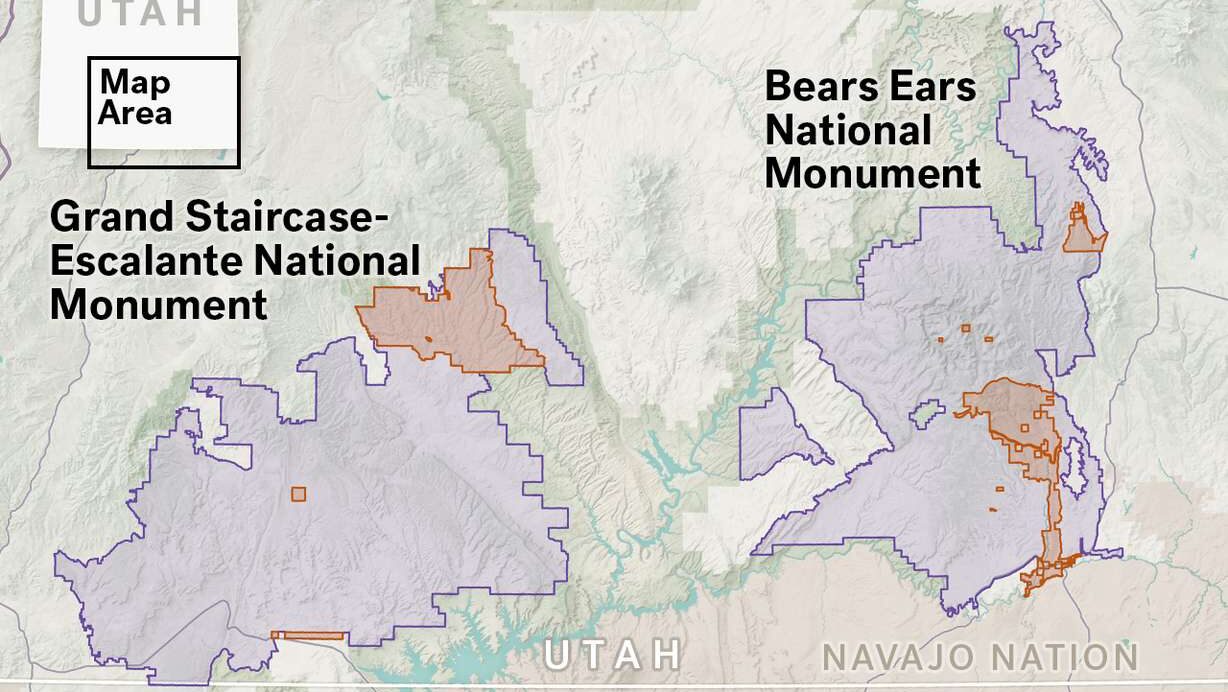
In a petition filed with Utah’s highest court, Jenkins’ attorneys claim there are just under 1,200 ballots between Beaver, Iron, Washington, Kane and Wayne counties that weren’t counted because they weren’t postmarked in time by the U.S. Postal Service.
Under Utah law, all mail-in ballots must be postmarked the day before Election Day to be counted. These ballots were postmarked on Election Day or after.
While Maloy beat out Jenkins in many of the district’s 13 counties, Jenkins dominated Maloy in Washington County. The filing claims 662 ballots in that county weren’t counted due to late postmarking.
Utah Supreme Court petition: ‘A Hail Mary’
KSL Legal Analyst Greg Skordas said the filing’s main argument is that Utah’s law enforcing a postmark deadline is unconstitutional. The filing also claims it infringes on Utahns’ right to a fair and free election.
Skordas said the claim made by Jenkins’ attorneys is “a long shot.”
“I think there’s very little chance that the Supreme Court will bite on that,” he said.
Additionally, Skordas said the state Supreme Court might not take up Jenkins’ case at all. If they do, he said, in theory, it could force lawmakers to change the postmark-deadline law.
However, he said if that happened, there’s no guarantee a new rule would be retroactive and also be applicable to the Jenkins vs. Maloy race.
With all of that in mind, Skordas called Jenkins’ effort to get the late ballots counted “a Hail Mary.”
“Notwithstanding what the Supreme Court does, the Legislature needs to address this,” hebsaid. “Make it so voters from all over the state are treated equally and mail-in ballots are counted.”
Related reading:
- Fewer than 200 votes separate Maloy, Jenkins
- 2024 Utah GOP convention winners struggle in primary election
- Judge rules against Colby Jenkins in uncured ballots lawsuit