‘You’re not alone’: Navigating seasonal affective disorder
Dec 29, 2024, 2:00 PM
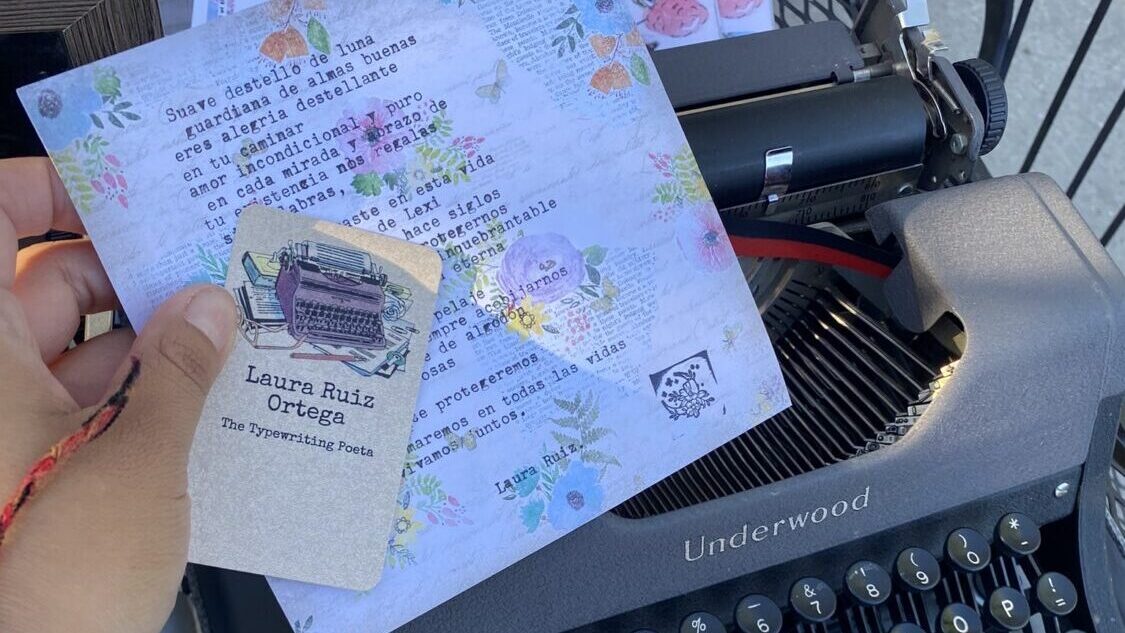
Laura Ruiz Ortega says she prefers to write on a typewriter because she loves the sound. (Laura Ruiz Ortega)
(Laura Ruiz Ortega)
PROVO, Utah — For Laura Ruiz Ortega, writing poetry is healing.
“When you leave your feelings on a paper, it’s sort of a release,” she said.
The mom of two found it as a way to express her feelings after moving to the U.S. from Mexico, and to cope with the cold winters.
“It was so gray all the time. It was just hard,” she said. “No matter how much I slept, no matter how good things are going with work, with my partner, with my kids, I just feel sad.”
Seasonal affective disorder (SAD) affects more than 11 million Americans, and Utah has one of the highest rates of it in the nation.
“Our natural biological clock gets a little off, it gets a little sluggish in the winter, leading to that feeling of wanting to just hibernate,” said Carrie Jackson, a clinical mental health counselor and clinical manager for evolvedMD. “You’re going to notice feeling down most of the time, decreased energy, a lack of interest or pleasure in things, even things you typically used to find pleasurable.”
Jackson said symptoms of seasonal affective disorder usually appear around early November, peaking in January or February after the holidays.
“We’re looking around saying, ‘I don’t really have anything else left to do on my calendar, at least nothing that seems enjoyable. But I still have potentially three more months of cold weather.’”
Read the full story at ksltv.com.
Related: How the poor air quality can impact your mental health