Person hospitalized with West Nile virus, first human case in Utah this year
Aug 14, 2025, 5:34 PM
SALT LAKE CITY — The Salt Lake County Health Department announced Thursday that Utah has a human case of the West Nile virus. This is the first human case of the virus in Utah this year.
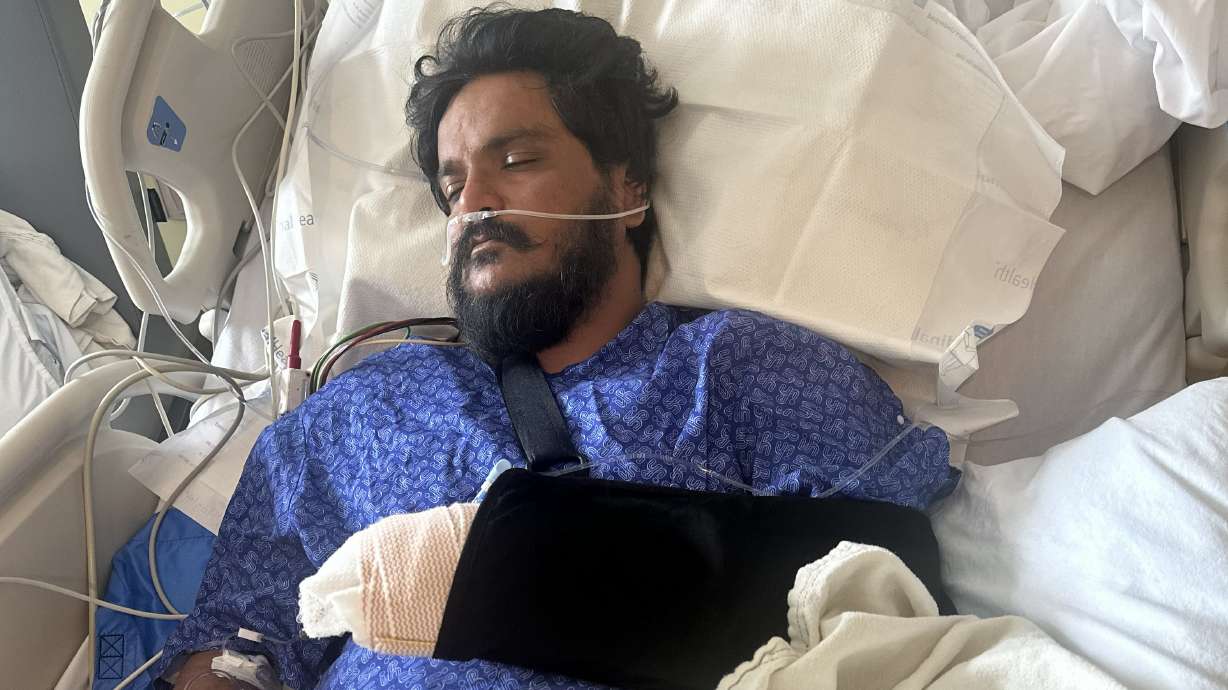
Salt Lake County Health said in a press release that the infected person is an adult. They’ve been diagnosed with neuroinvasive West Nile virus, which it said is a “more severe form of the disease.” The person was hospitalized in early August but is now recovering at home. Officials said it is likely the adult was infected in late July somewhere near the Jordan River in the southern half of Salt Lake County.
According to the press release, the West Nile virus has been detected in 24 mosquito samples in Salt Lake County and 108 samples statewide.
Related
- West Nile Virus detected in Salt Lake County, health officials say
- West Nile virus found in Cache County mosquitoes
The West Nile virus can cause minor to severe illness. According to the Utah Department of Health and Human Services, symptoms can include fever, headache and body chills. In their press release, officials said only 1% of infected people will develop neuroinvasive West Nile virus, which includes more intense symptoms like high fever, neck stiffness, disorientation and can even result in a coma.

Many Utah counties are seeing more mosquitoes because of the summer storms that have left a lot of standing water. (Mark Wetzel/KSL TV)
Utah health officials warn that anyone can become infected, but individuals over age 50 and those with weak immune systems are at the highest risk.
What you can do to avoid contracting West Nile virus
Utah health officials are warning all Utahns to take precautions around mosquitoes, no matter where they’re located. They said mosquitoes can travel several miles, and there is no way for the public to tell if a mosquito is infected.
There are a few things people can do to prevent contracting the West Nile virus, including:
- Using EPA-registered mosquito repellent.
- Wearing long sleeves and pants after dusk.
- Draining standing water from outside objects such as tires, potted plants, pet bowls and buckets.
- Stocking ponds with fish that eat mosquitoes or using mosquito dunks (contact local mosquito abatement district for more info).
- Making sure doors and windows are closed and in good condition.
- Trimming weeds and tall grass.