Proposal would provide phones to ease jail overcrowding
Sep 26, 2025, 6:00 PM
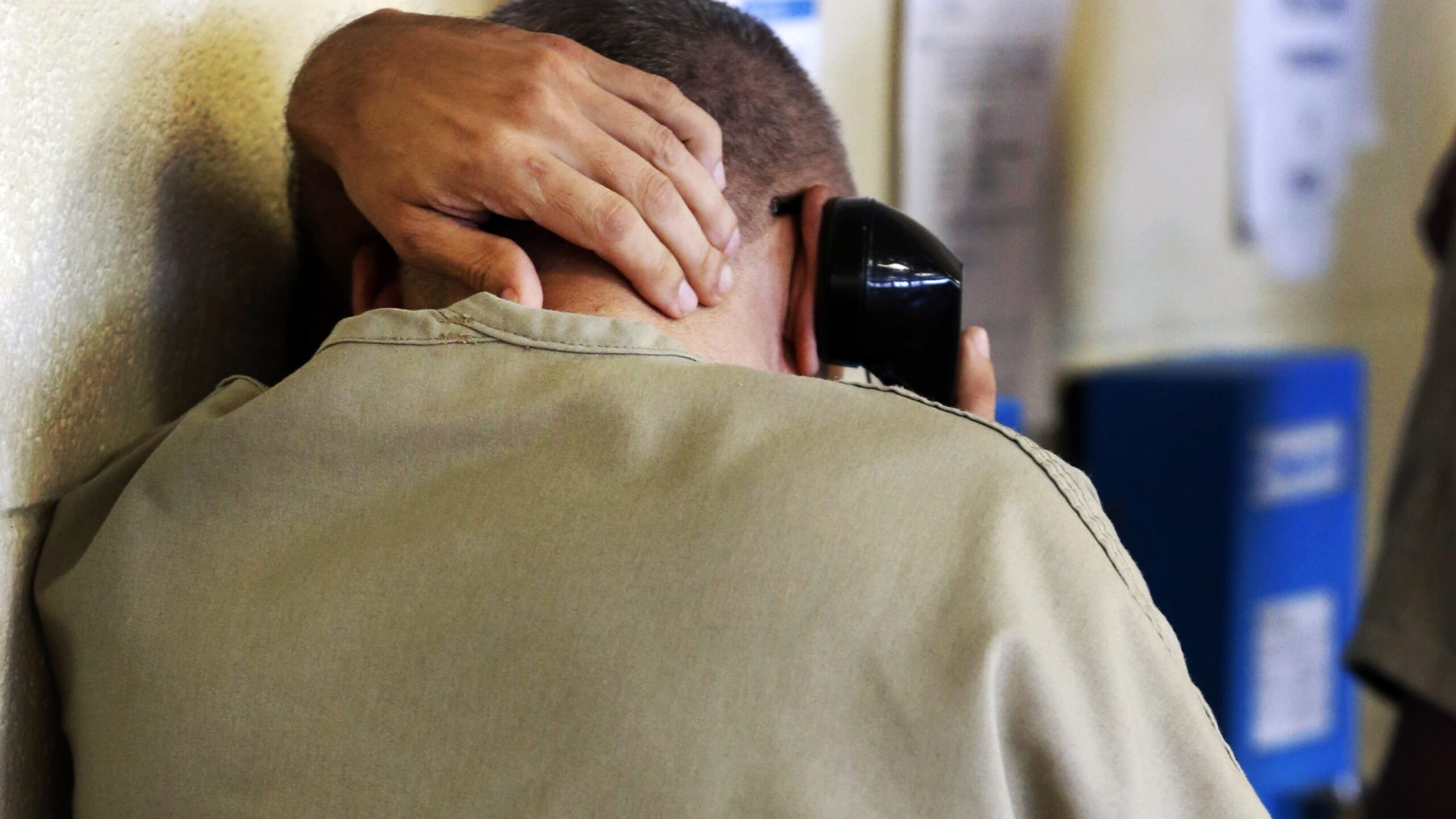
FILE - In this June 26, 2014 file photo, an inmate uses a phone at the Cook County Jail in Chicago. A federal appeals court has tossed regulation capping the price of some calls to prison inmates, which can cost families thousands of dollars a year. The court said Tuesday, June 13, 2017, that the FCC lacked authority to set rates for the in-state prison calls. The agency does regulate the price of out-of-state calls for prisoners. (Charles Rex Arbogast/Associated Press)
(Charles Rex Arbogast/Associated Press)

SALT LAKE CITY — A Utah representative has proposed a solution that could help ease jail overcrowding: providing more phones.
“Jail overcrowding has always been an issue, and housing people in jail is expensive. In Utah, it costs about $55,000 a year to incarcerate an inmate,” said Rep. Grant Amjad Miller, D-Salt Lake City.
According to the Salt Lake County Jail Dashboard, about 37% of people booked in county jails are in for warrant services. Miller, who is also a public defender, said a warrant is issued for anyone who misses their parole check-in or court date.
“Through my experience… when people don’t show up to court and I see them in jail later, I say, ‘Why didn’t you come to court?’ Predictably, the answer is ‘I didn’t know when my court date was,’ or ‘I didn’t know where to go to court,'” he said.
Miller said that each municipality has its own courthouse, and it could be confusing.
He proposed that giving recently incarcerated people phones could help them stay in touch with their attorneys, probation officers and court so that they know where their appointments are. He said this could also save taxpayers money.
“You’re looking at $40, $60 a phone, and when they leave, they immediately have contact with their public defender, with their probation officer,” Miller said.
Miller said he wants to start with a small pilot program. “I want to target a group of 100 (to) 200 people and get them phones first.”
This idea actually started as an identification bill to help the unhoused population get their IDs.
“The Department of Public Safety and the Department of Workforce Services say one of the best ways that we could get people consistent IDs is if they had their phones,” Miller said.
He said the FCC had a similar program but was restricted to only people on SNAP or Medicaid and require a physical address.
Read more: Salt Lake County clerk to help register new citizens to vote after change in federal policy