University of Utah professor finds that ship fuel emissions might not impact climate change
Jan 28, 2026, 3:35 PM
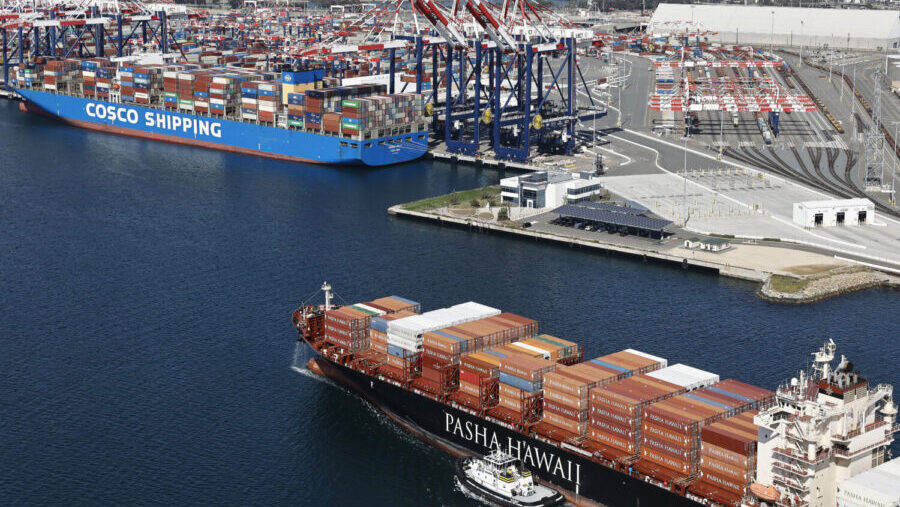
A University of Utah professor released a study showcasing the climate impact of a recent fuel change in cargo ship fuel. (Mario Tama, Getty Images)
(Mario Tama, Getty Images)

SALT LAKE CITY — A University of Utah professor has discovered that ship fuel emissions might not affect global warming the way some scientists predicted.
Atmospheric Sciences professor Jay Mace studied Atlantic clouds after the International Maritime Organization added more restrictions on sulfur content in ship fuel in 2020, which has decreased sulfur emissions by 80%.
Mace’s research team studied observational data collected around the Azores in the eastern North Atlantic from two years before fuel emissions changed, to two years after the change.
Some scientists theorize that with cleaner air, clouds would reflect less heat into space, allowing more heat to hit earth, warming the climate.
But Mace’s team found that less sulfur pollution in the air impacted clouds and changed rain patterns, but did not impact the amount of sunlight reflected back into space, leaving climate change unaffected.
Mace warned others to avoid generalizing his findings globally without more data.
Read more: US forces stop a second merchant vessel off the coast of Venezuela, American officials say