Mason Andrew Ohms, driver with DUI history who left crash scene, seeks parole
Feb 25, 2026, 6:00 AM
SALT LAKE CITY — The parole hearing for Mason Andrew Ohms returned again and again to the same questions: What happened on April 26, 2022 — and what does Ohms say now about the choices he made that day?
Ohms is seeking parole after being convicted in the death of 13-year-old Eli Mitchell. Inside the hearing, Eli’s parents urged the Utah Board of Pardons and Parole to focus on the timeline that ended their son’s life and the aftermath they say they live with every day.

Eli Mitchell was killed in 2022 by an impaired driver. (Photo courtesy: Mitchell family)
“I decided to celebrate by having a beer”
Under questioning, Ohms told the board he had been working earlier that day and then went to Black Sheep Bar and Grill at about 12:44 p.m., where he said he stayed “roughly around six hours.”
Board member Dan Bakavovit referenced a receipt and told Ohms it showed seven 20-ounce beers were purchased. Ohms responded he wasn’t sure about the receipt details, but acknowledged drinking that afternoon and agreed he consumed four 20-ounce beers.

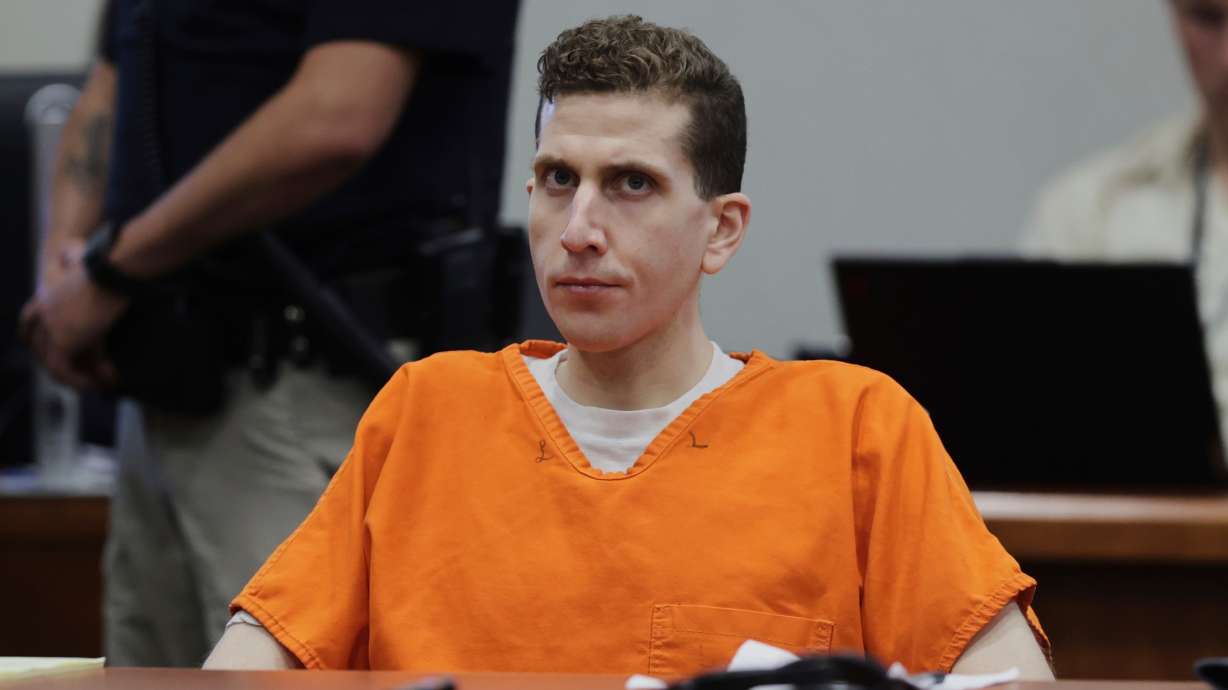
Mason Ohms waves at his family attending his parole hearing (Jack Grimm, KSL)
As the board asked why he drank after telling the board he had been sober for about eight months, Ohms described it as a decision tied to a work win.
“I just gotten a big job, and unfortunately, I decided to celebrate by having a beer,” Ohms said, telling the board he chose that instead of “celebrating otherwise by staying home.”
What the family says happened next
Eli’s father and mother both pointed the board back to what they described as a series of decisions after the crash — including leaving the scene.
In Jeremy Mitchell’s impact statement, he told the board Eli was struck, run over and that Ohms “tried to flee,” saying, “He did not call for help. He did not try to save a dying child.”

Photo of Eli’s bike after it was dragged by Ohm’s vehicle still holding the snacks Eli Mitchell had purchased (Photo courtesy: Mitchell family)
Jeremy Mitchell told the board that after the collision, Ohms removed Eli’s bike from under the truck “to escape,” describing details investigators documented — including that Eli’s bag of candy was still attached to the mangled bike handlebars when police photographed it later.

Jeremy Mitchell said his family’s “life sentence” doesn’t come with parole (Jack Grimm, KSL).
In his statement, Jeremy Mitchell said those images and details are “burned into our family’s memories,” and argued they reflect “not an accident but a total disregard for human life.”
“I didn’t have discipline. I ran and hid”
Ohms was questioned about his actions after the crash and how he explains them now.
“I didn’t have discipline,” he told the board. “I ran and hid.”
Later, after Jeremy Mitchell’s statement, Ohms told the board he wrote a letter to the family and apologized. He described his “actions and decisions” that day as “inexcusable” and said they were “morally unacceptable.”
Ohms also told the board he never “thought of or planned” what he called “a horrific path of destruction and harm,” and said he recognizes the “ripple effect” of what he did that day.
“The moment of that whole 60 minutes that I think was the most impactful for me was … where Mason said, ‘I hit Eli,’” Lisa Mitchell said.
What he’s done while incarcerated
The board also questioned Ohms about what he has done since being incarcerated, reading off a list of programs and asking what he took from them.
Bakavovit listed multiple courses Ohms completed, including Davis Tech’s machining program, yoga, LDS addiction recovery, “Crucial Conversations,” “My Story Matters,” “Captain Your Story,” principles of marketing, anger management skills, plumbing and cognitive awareness.
Ohms told the board “Captain Your Story” helped him understand the “why” behind goals he set for himself, and he connected that to a desire to be “resourceful and successful and kind-hearted” in future interactions.
When asked about cognitive awareness and staying away from substances, Ohms said he has worked to identify triggers like anxiety and stress — and to address those before they “lead to reactions.”
Bakavovit asked directly what is different now, given that Ohms had participated in treatment in the past but still committed new offenses. Ohms responded by describing sustained work behind bars.
“I’ve spent the last forty months in treatment, is what I call it,” he said, describing classes, therapy and what he called “digging deep” to understand how his choices affect others and to ensure he does not drink again.
The impact, and what comes next
Jeremy Mitchell told the board that the grief in their home is “constant,” and described the milestones he said his son will never reach.
“These are moments I will never share with my son and it will only get harder,” he said. “I will never see Eli graduate, serve a mission, attend college, get married, or raise a family.”

Lisa Mitchell talking about her son Eli (Jack Grimm KSL)
Lisa Mitchell said her family has also been forced to confront the ripple effects beyond their home — including what Eli’s friends wrote in their own statements.
“These cute little 12- and 13-year-old boys are grappling with,” survivor’s guilt, she said, describing questions they still wrestle with about what might have saved Eli.
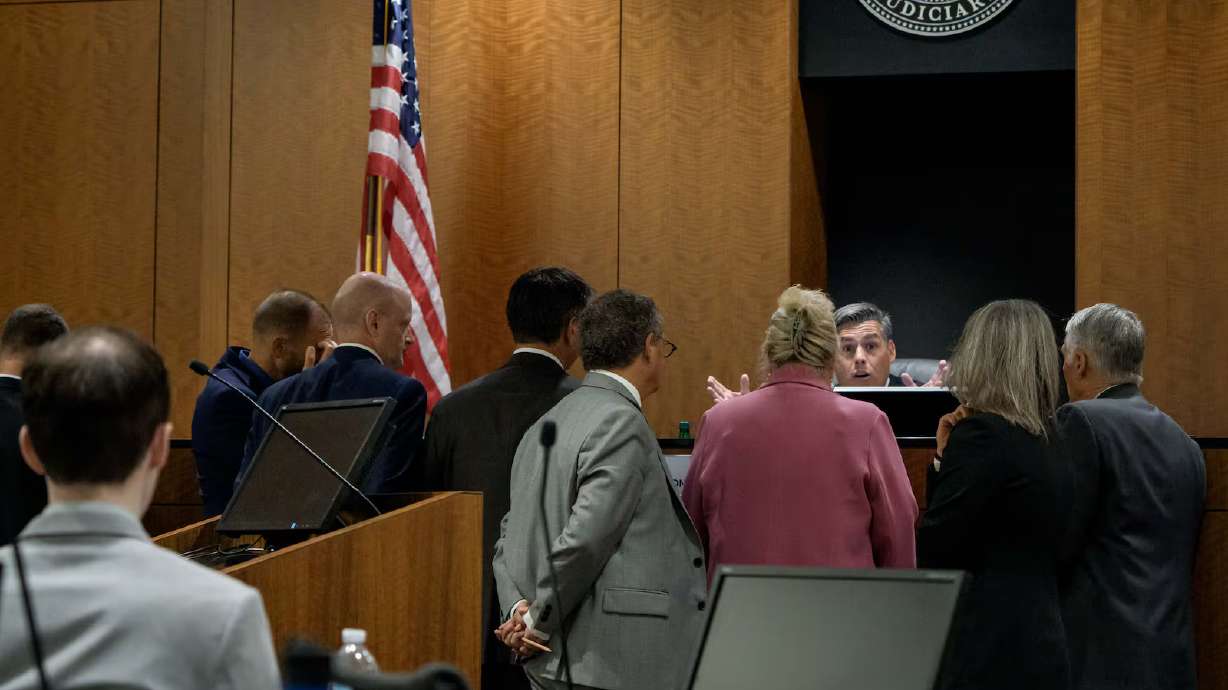
The board does not make a decision in the hearing room. Members vote later, and a decision is expected in the coming weeks.
Have you experienced something you think just isn’t right? The KSL Investigators want to help. Submit your tip at investigates@ksl.com or 385-707-6153 so we can get working for you.
This story was adapted from a TV broadcast script using artificial intelligence. Every story, including those adapted with AI, is reviewed by a human editor before publication to ensure that KSL’s editorial standards are upheld.