Utah doctors urge extra MMR vaccine for infants after recent measles outbreak
Apr 29, 2026, 10:37 AM

Doctors in Utah encourage parents to get an extra measles, mumps and rubella vaccine after the 2025 outbreak grows to more than 600 confirmed cases. (Laura Seitz, Deseret News)
(Laura Seitz, Deseret News)

SALT LAKE CITY — Utah health officials are urging parents to get an extra measles, mumps and rubella vaccine early for their infants following a recent measles outbreak.
The additional dose of the vaccine would be for infants between 6 and 12 months old. It does not count towards the standard two doses recommended after 12 months of age.
According to the Utah Department of Health and Human Services, more than 600 confirmed cases of measles have occurred across the state since the outbreak began in 2025. Many of those individuals traveled to clinic waiting rooms against medical advice, exposing all others within the waiting room.
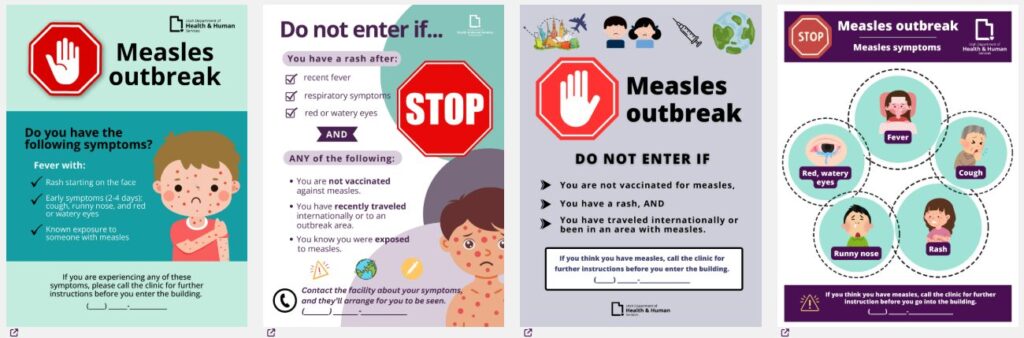
A series of posters available on the Utah Department of Health and Human Services website showcasing instructions for people who may have measles. (Utah Department of Health and Human Services)
In places where measles is not actively spreading, the Utah Department of Health and Human Services does not encourage the extra dose for the following reasons:
- The dose is “extra.” This early dose does not count toward the primary series. The child will still require the standard two doses starting at or after 12 months of age.
- Efficacy concerns. Data suggest many infants may not derive high levels of protection from this early dose, possibly due to maternal antibodies blunting the immune response.
- Long-term immunity. There is some evidence that children who receive an early dose may experience a more rapid decay of antibody titers later in life, potentially resulting in lower overall protection as adults.
The Utah Department of Health and Human Services warned that the risk for contracting measles in Utah is higher than normal, so it recommended doctors thoroughly discussing this option for an early, extra dose with all parents of unvaccinated infants 6 to 11 months old.
The measles virus can linger in an enclosed room for up to two hours. Additionally, a person may be contagious with the virus for up to a week before skin lesions appear.
The health department said as the weather warms up, people will likely spend more time outdoors, reducing their contraction risk if a person with measles comes near.
Read more: Measles is one of the world’s most contagious viruses. Here’s what to know and how to avoid it