Downtown Salt Lake report highlights booming events, more residents and billions in future investment
Jul 17, 2026, 10:01 AM
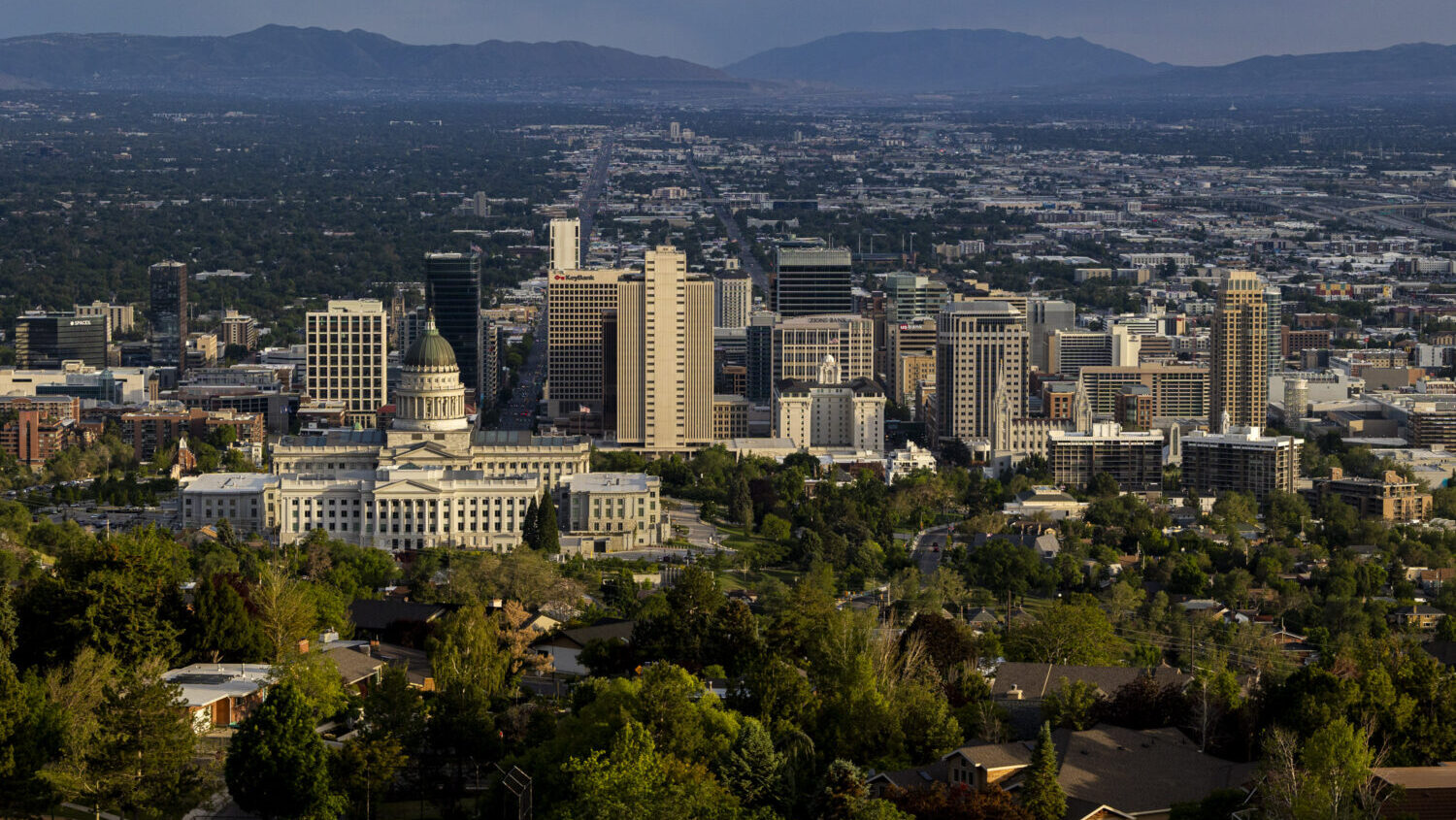
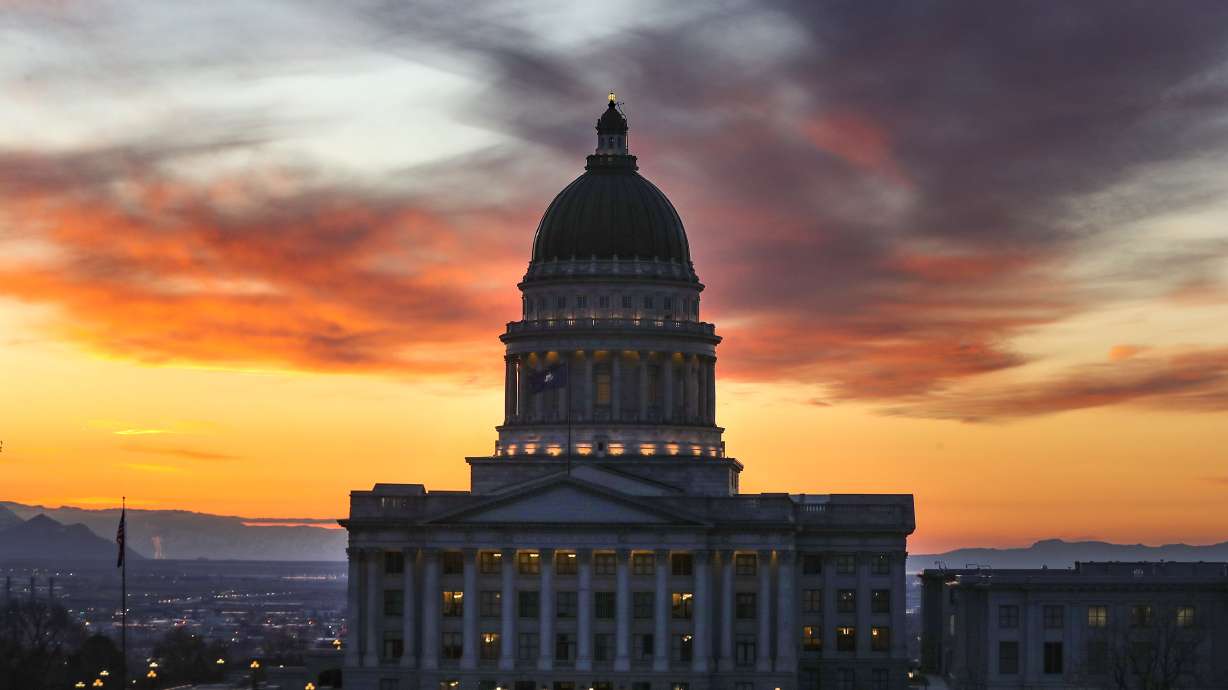
The Capitol and downtown Salt Lake City are pictured on Tuesday, May 26, 2026. (Isaac Hale, Deseret News)
(Isaac Hale, Deseret News)
SALT LAKE CITY — A new economic report paints an increasingly busy picture of downtown Salt Lake City where more people are attending events, spending money and choosing to live even as the traditional office workforce remains smaller than it was before the COVID-19 pandemic.
The Downtown Alliance’s 2026 Economic Benchmark Report found that downtown recorded 30.7 million “customer days” in 2025, counting people who spent more than an hour in the area. Visitors accounted for roughly two-thirds of that activity, while residents and workers made up the rest. Visitor activity increased 1.7% from the previous year, worker activity rose 6% and resident activity climbed by 9%.
For people who spend their days downtown, the growth is becoming hard to miss.
“It definitely is busier,” said Ryan, a downtown resident who stopped to talk to KSL on Main Street. “I think a lot of that has to do with conventions. I walk everywhere, and I just see people with name tags everywhere.”
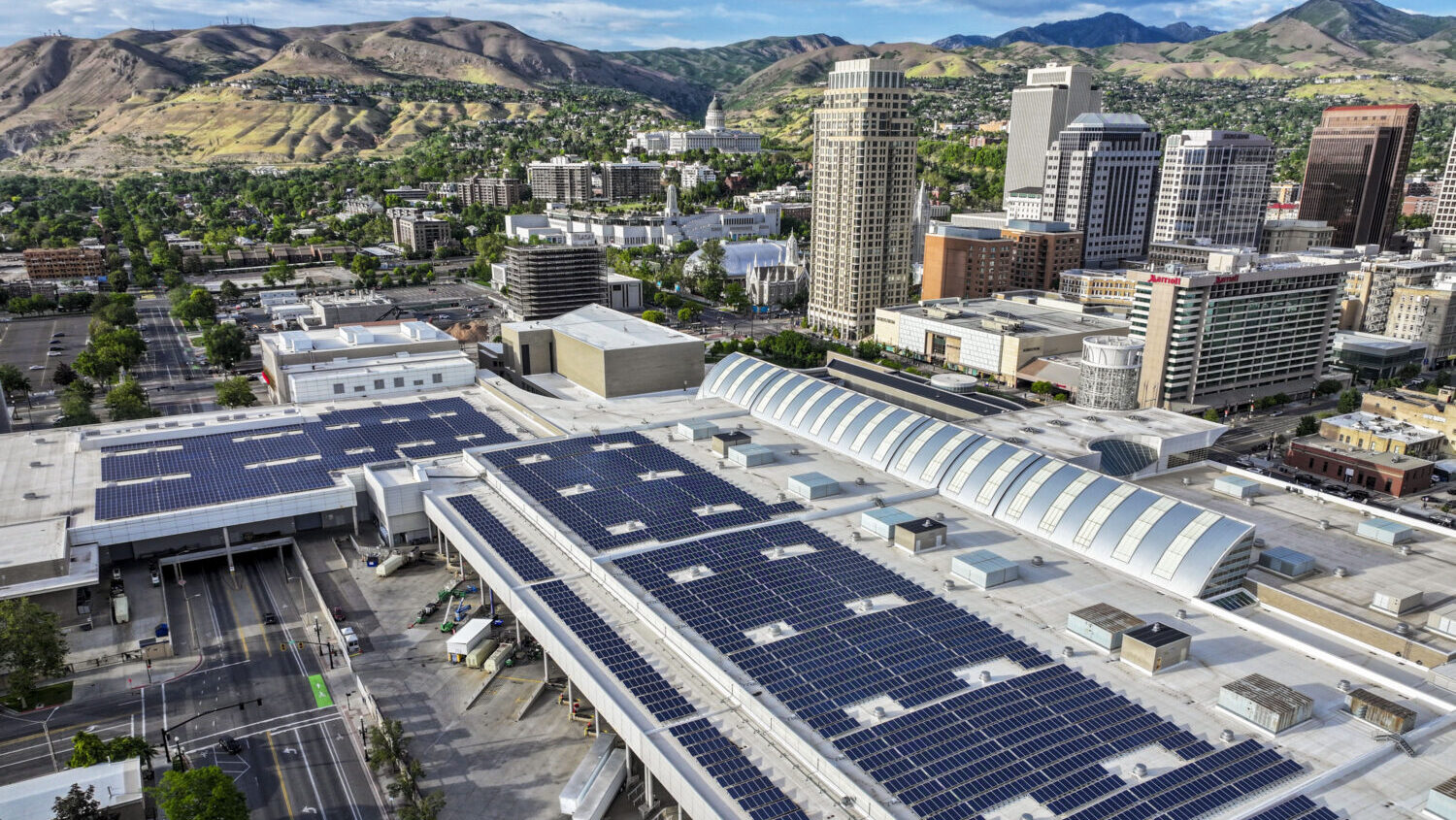
The Salt Palace Convention Center stands among other buildings in downtown Salt Lake City on Tuesday, May 26, 2026. (Isaac Hale, Deseret News)
Ryan said many of those visitors appear to be staying in nearby hotels, eating at local restaurants and supporting downtown businesses.
“I definitely feel like a lot of that spending is out-of-town money,” he said.
The report backs up that observation. Salt Palace Convention Center attendance climbed to about 412,000 in 2025, and the Downtown Alliance estimates the average convention delegate spends $1,162 while visiting Salt Lake City. Across Salt Lake County, total traveler spending reached $6.1 billion.
That success comes with a question mark on the horizon. The convention center is scheduled to close from September 2027 through 2031 for a major reconstruction project that will add a second ballroom and modernize the convention center.
Ryan said he’s curious to see how that affects downtown businesses which depend on convention visitors.
“That’s going to affect a lot of foot traffic downtown,” he said. “A lot of the people that I see have name tags.”
Sports, music and events fuel downtown activity
Conventions are only part of downtown Salt Lake City’s changing economy.
Attendance at downtown sports, arts and entertainment venues climbed to 4.7 million in 2025, a 16.3% increase over the previous year. The report credits Utah Mammoth fans, arts patrons and Clark Planetarium visitors among the largest groups helping drive that growth.
One of downtown’s busiest days of the year included a Utah Mammoth game alongside the April General Conference of The Church of Jesus Christ of Latter-day Saints, and the Downtown Farmers Market. All five of the busiest visitation days in 2025 fell on Saturdays.
Ryan said having more events gives people reasons to spend time downtown beyond the workday.
“There’s things to do,” he said. “The Mammoth coming also affects a lot of it.”
For people working downtown, the change is showing up in everyday life.
Luxe, who works at Mother Cafe and Bar on Main Street, said downtown has become more than a destination for concerts or sporting events.
“I think, culturally, our music scene has just kind of boomed,” Luxe said. “I feel like it’s creating more community … there’s always something going on. It’s actually really fun.”
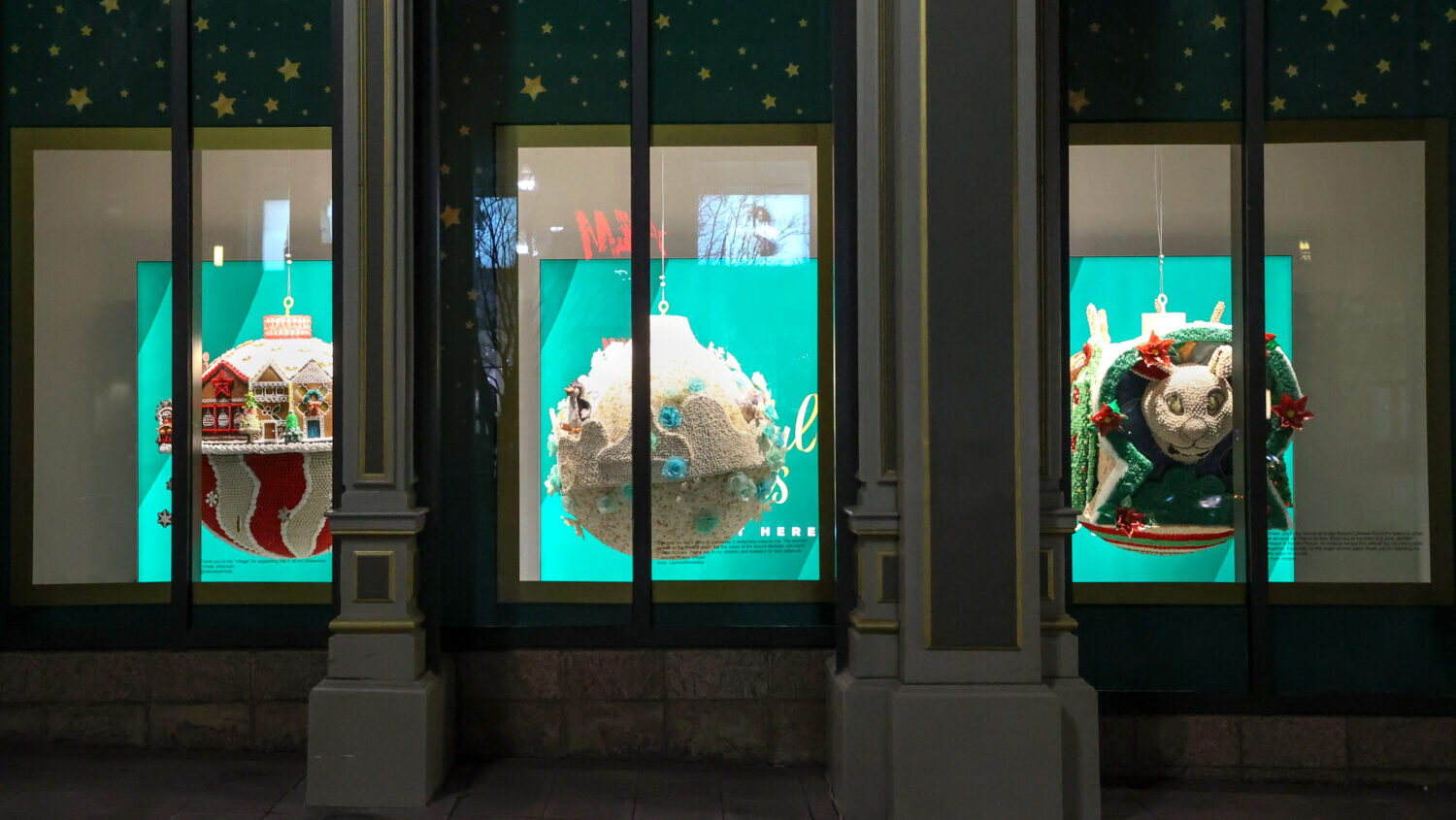
Macy’s holiday candy windows are pictured on Main Street in Salt Lake City on Friday, Nov. 21, 2025. (Kristin Murphy, Deseret News)
She pointed to local venues, DJs and events like Pogo Fest as examples of how people increasingly spend entire afternoons or evenings downtown instead of making a single stop.
“It’s really cool to have Mother [Cafe] in this area,” she said. “There’s just so much … fun things around and just kind of bopping around.”
The report notes the Downtown Alliance also produced or supported 161 public events and activities in 2025, including the Downtown Farmers Market, arts programming and cultural festivals that attracted hundreds of thousands of visitors.
More people are choosing downtown
The report suggests downtown’s growth is no longer being driven only by office workers.
Downtown’s residential population grew another 9% in 2025 and has increased 63% since 2019. Meanwhile, the downtown worker population remains 32% below pre-pandemic levels, reflecting the lasting shift toward remote and hybrid work.
Ryan said that’s exactly why he plans to stay.
“There’s just stuff to do,” he said. “Unless I get married or have a kid, I’m not moving out of downtown. You can walk everywhere. Harmon’s is right here. My barber’s right here. There’s plenty of great local coffee shops down here.”
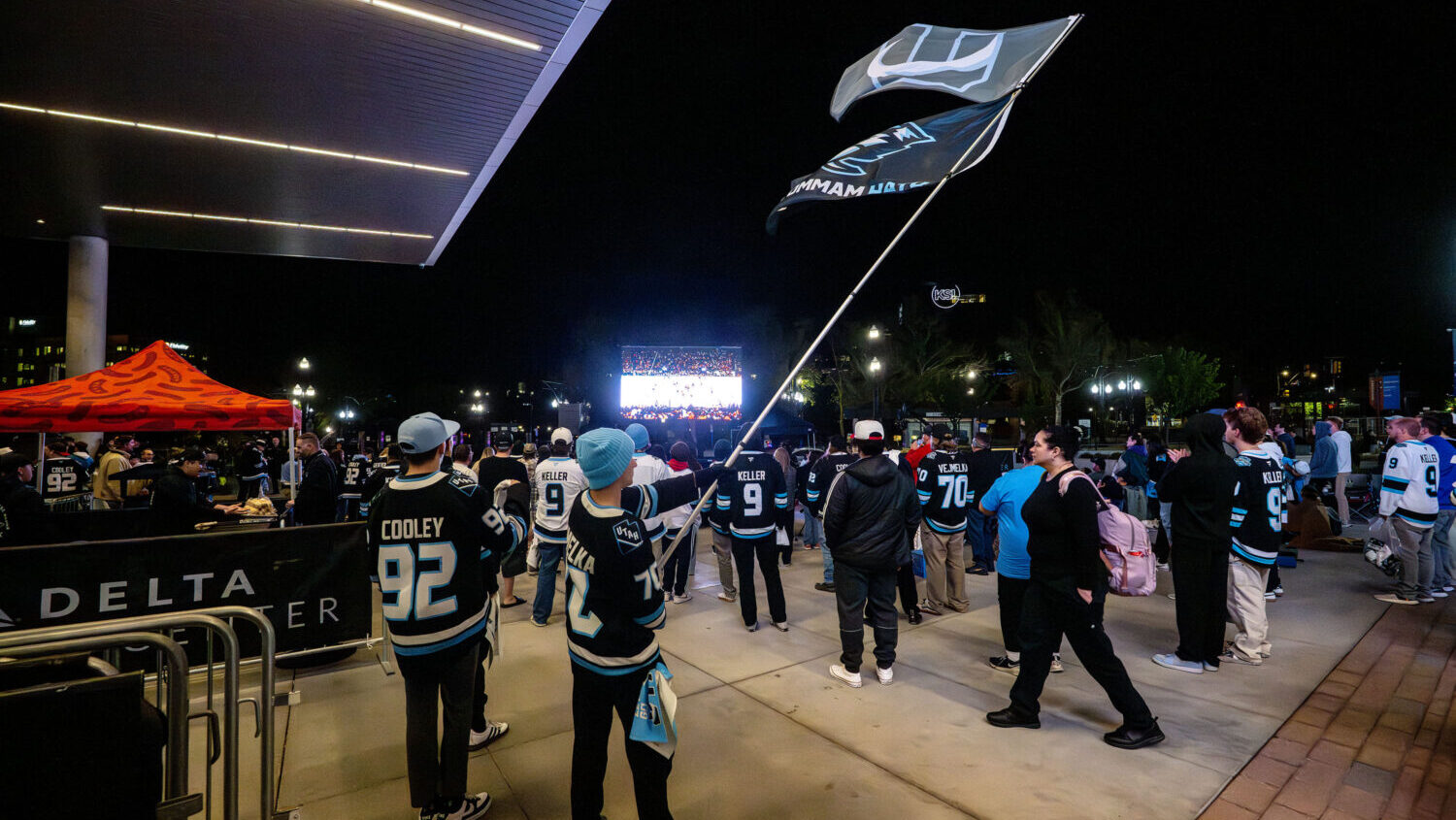
Utah fans gather at the Delta Center to watch the Vegas Golden Knights and the Utah Mammoth in NHL playoff hockey action on Thursday, April 30, 2026. Las Vegas won 5-4 in double overtime. (Scott G Winterton, Deseret News)
The report also found downtown residents tend to be younger and more likely to live without a car than residents across the Wasatch Front. About 55% are between 20 and 29 years old, and 22% do not own a vehicle.
New apartment construction has also increased competition among landlords. Downtown rental rates fell more than 8% in the past year as some apartment communities began offering incentives to attract renters.
Ryan said he has seen some of those offers firsthand.
“There are so many different apartment complexes,” he said. “I’ve seen places offering months of free rent and gift cards.”
Spending grows despite ongoing challenges
Consumers spent $2.1 billion downtown last year on restaurants, shopping, entertainment and accommodations, a 6.1% increase from 2024, according to the report. Retail rents also continued to climb as investment and customer activity increased.
Even so, Ryan said many local businesses still face significant challenges because of inflation and higher operating costs.
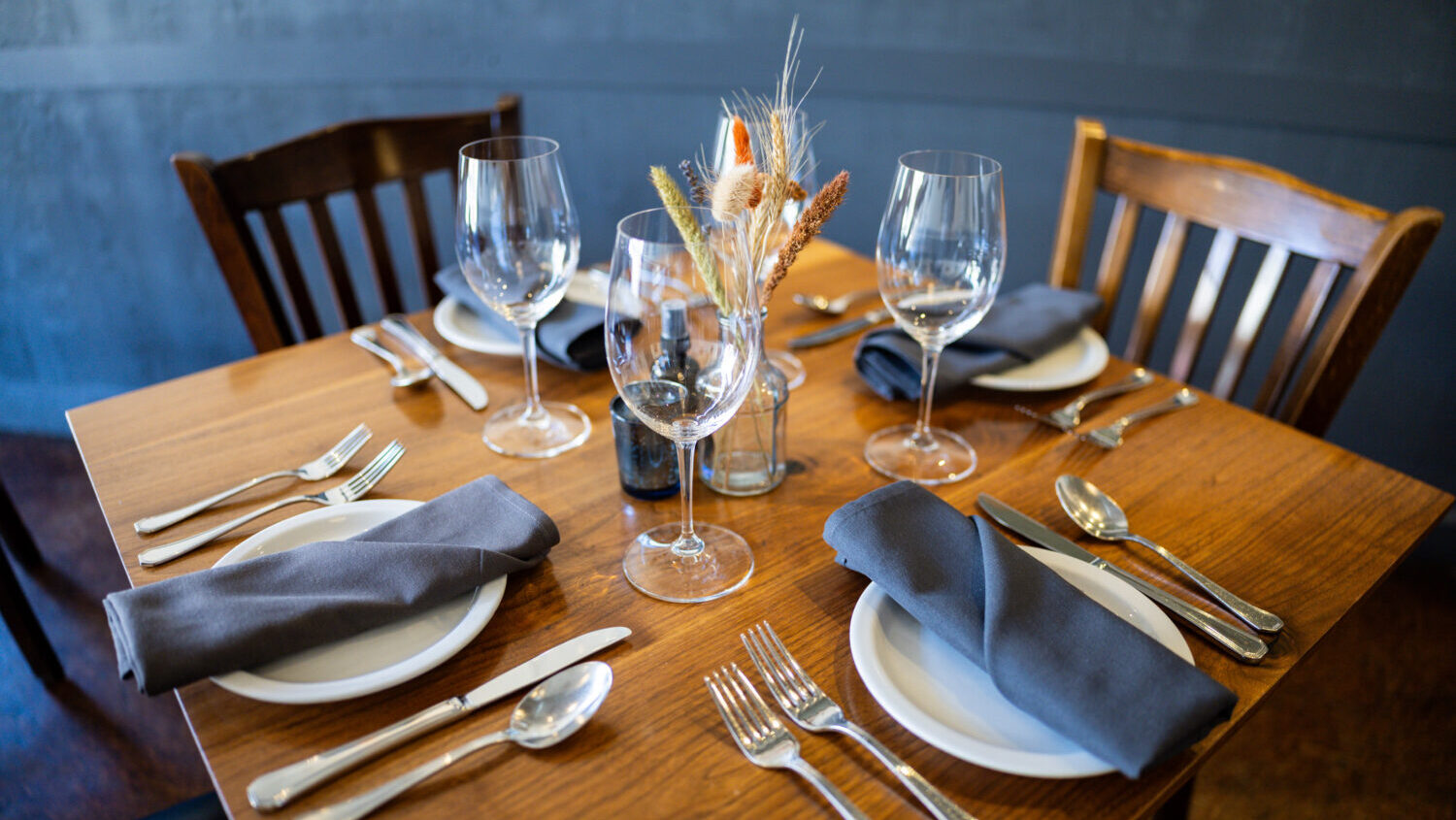
A table at Oquirrh Restaurant in Salt Lake City on Thursday, March 19, 2026. (Tess Crowley, Deseret News)
“It’s expensive to keep a restaurant open,” he said. “Me and my girl will go out to eat, and something that used to cost like 30 is now like 50.”
The report says downtown retail is evolving away from standalone storefronts and toward mixed-use developments that combine housing, offices and businesses. It also points to projects like Western Governors University’s downtown campus as another source of future activity.
Billions more on the way
The Downtown Alliance describes the coming decade as one of the most significant periods of investment in downtown history, with 26 projects representing more than $10 billion in committed development.
Those projects include the Sports, Entertainment, Culture and Convention District anchored by the Utah Jazz and Utah Mammoth, a rebuilt Salt Palace Convention Center, expanded university campuses, additional housing and preparations for the 2034 Winter Olympics.
Temple Square’s planned six-month public open house after renovations are complete is also expected to bring millions of visitors and an estimated $320 million in additional spending to downtown businesses.
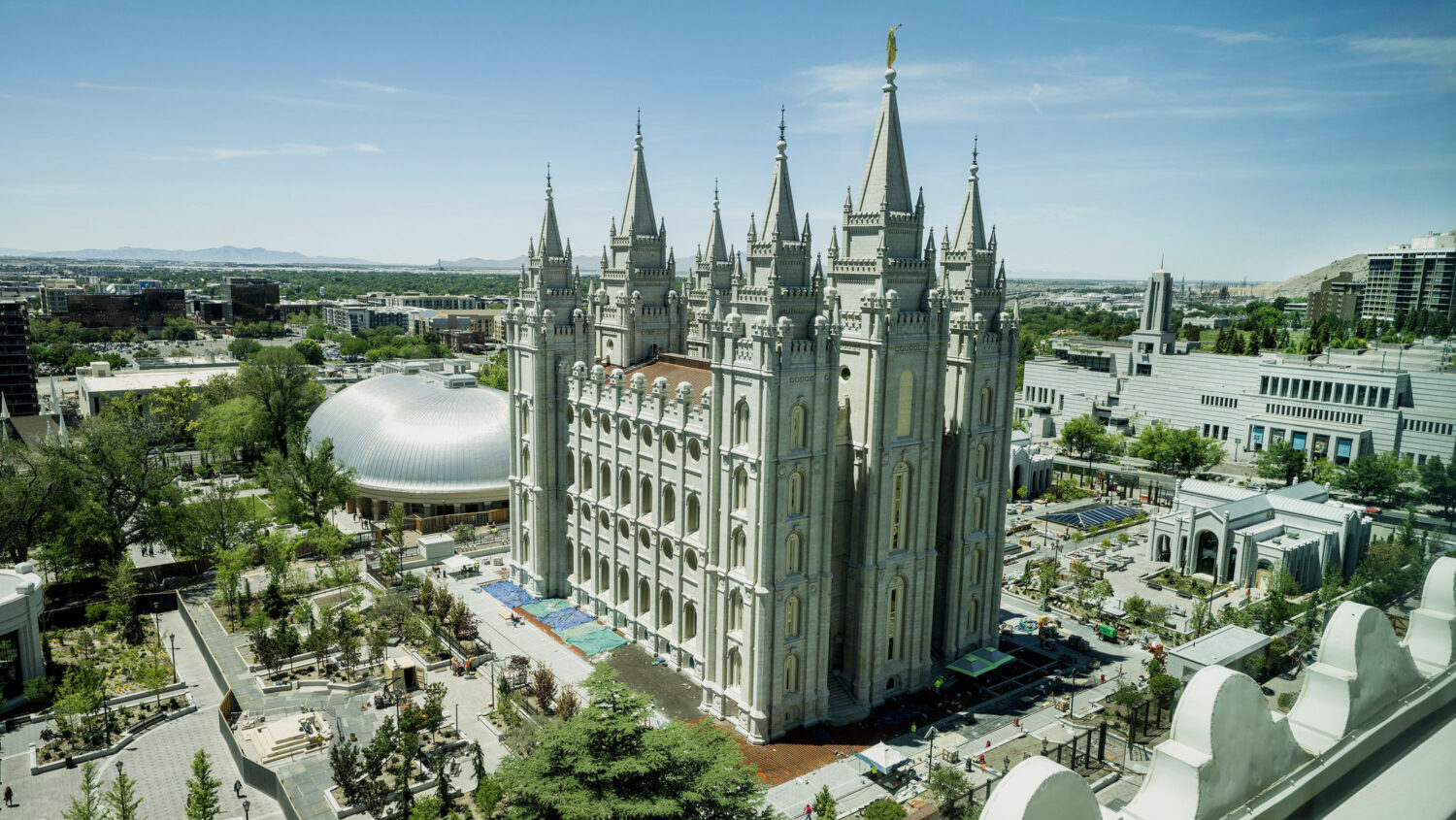
The Salt Lake Temple on Monday, June 15, 2026. Applications are now being made available to volunteer at the Salt Lake Temple open house and celebration. (Scott G Winterton, Deseret News)
For Luxe, the report’s numbers simply reinforce what she experiences every day from behind the counter.
“There’s always something going on,” she said.
And for Ryan, downtown’s transformation is only beginning.
“I love it down here,” he said. “It’s only going to keep going.”
As more residents move in, visitors continue arriving and billions of dollars in new development take shape, the Downtown Alliance believes downtown Salt Lake City’s next chapter may be less about recovering from the pandemic and more about redefining what the city’s center has become.