Fire leaves scorched hillsides along Parley’s Historic Trail, officials urge caution
Aug 5, 2026, 2:37 PM
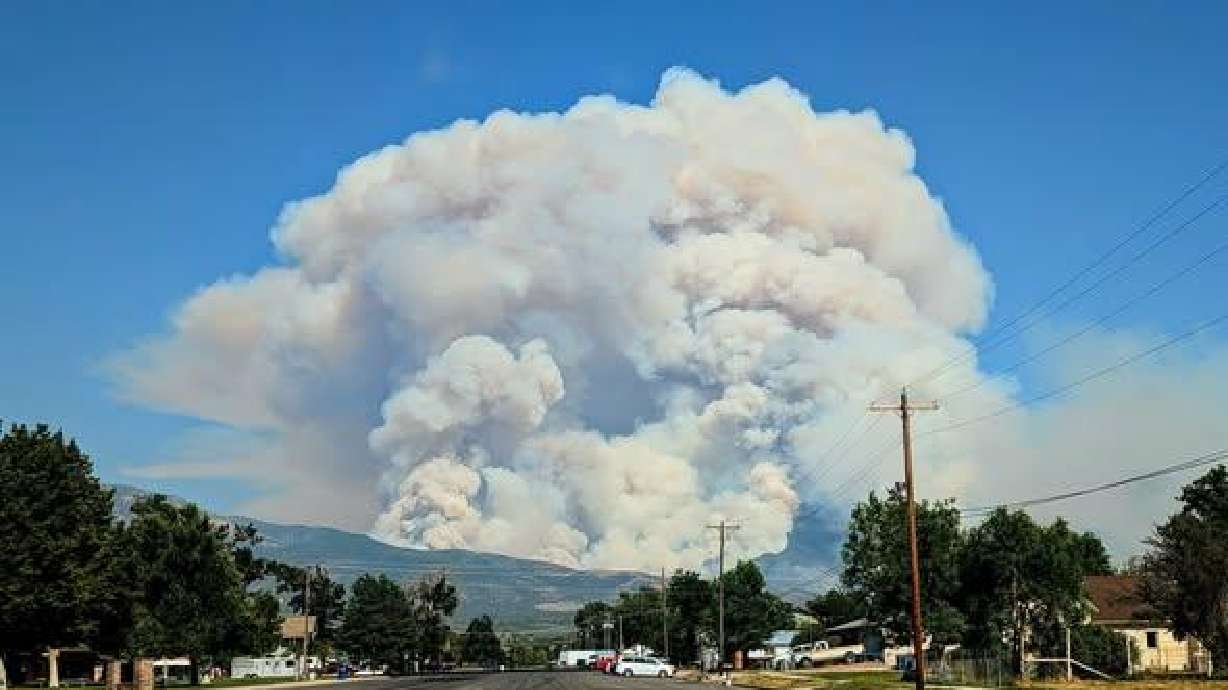
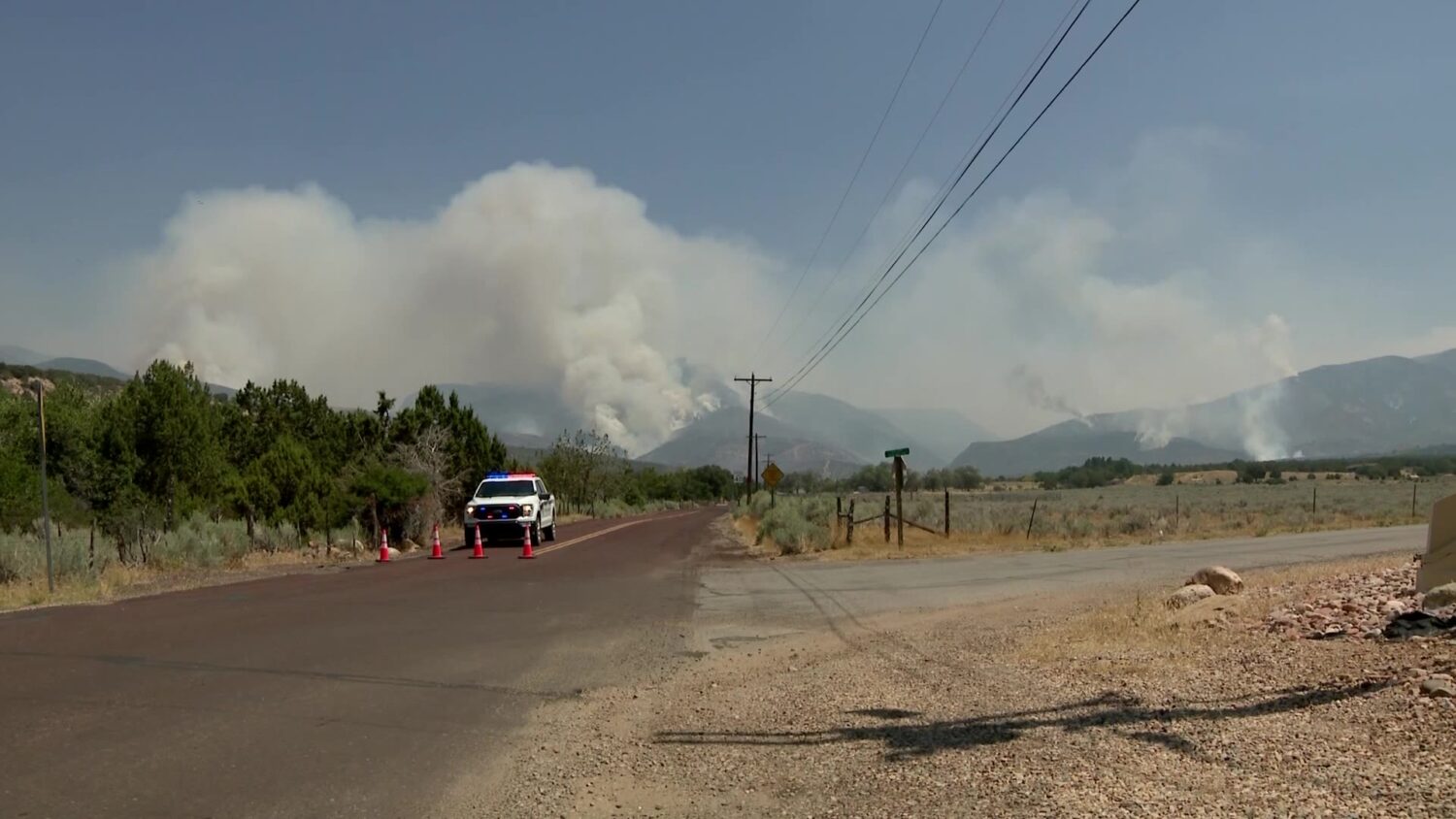
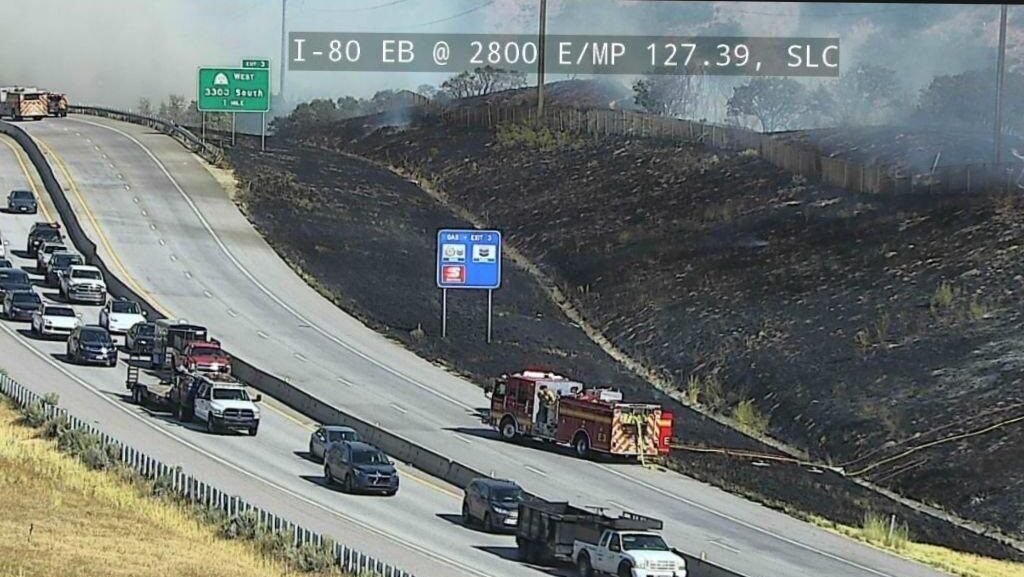
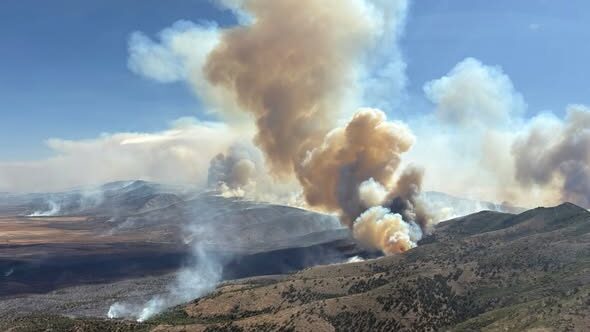
SALT LAKE CITY — A recent fire near Parley’s Historic Trail has left visible damage along one of Salt Lake City’s popular outdoor recreation areas, with hikers reporting scorched hillsides, ash-covered ground and debris near the creek as they return to the trail.
Jewel Payne, who frequently hikes near Tanner Park, said the landscape looks dramatically different following the fire.
Related: Wildfire prevention emerges as a rare bipartisan priority in Congress
“I enjoy being able to hike where it’s fresh and beautiful and green,” Payne said. “Now half of the trail is black on one side. It’s all burned to black and ashes, and I could smell it.”
Visitors have also noticed signs of fire-related runoff affecting nearby waterways.
“I’ve also seen that the stream is now polluted with some of the ash and the burned residue from the trees and the brush,” Payne said.
Fire officials are reminding hikers and outdoor enthusiasts to take extra precautions as hot, dry conditions persist across the Wasatch Front.
Salt Lake City spokesperson Hannah Youell said people heading into trail areas should share their plans with family or friends before leaving.
“Once you identify what trail you’re going to go on, let somebody know where you’re going, when you’re going and when you plan to be back,” Youell said.
Officials also urge anyone who encounters trouble while hiking to immediately call 911.
“They will be able to pinpoint you, and they can give you some tips on where to go or not to go,” Youell said. “But definitely call 911. That’s the most important thing.”
In the event of a wildfire or smoke emergency, staying on established trails can help rescuers locate hikers more quickly. If smoke limits visibility, officials recommend covering your mouth and nose and retracing your route as safely as possible.
The cause of the fire remains under investigation. Firefighters told hikers several potential ignition sources are being considered, including a discarded cigarette, sparks from passing vehicles or equipment and electrical infrastructure.
With vegetation in the area remaining extremely dry, officials are encouraging both hikers and motorists to take steps to reduce the risk of future fires.
“Best practices: Don’t smoke up there,” Youell said. “Don’t smoke anywhere near any type of vegetation. It’s never a good idea.”
Officials said small actions can make a significant difference in preventing wildfires, particularly during periods of high temperatures and dry conditions. As crews continue to assess the damage, hikers are being asked to remain alert and help protect the trail from additional fire risks.