2 warthog piglets born at Utah’s Hogle Zoo
Jul 17, 2026, 4:58 PM | Updated: 6:19 pm
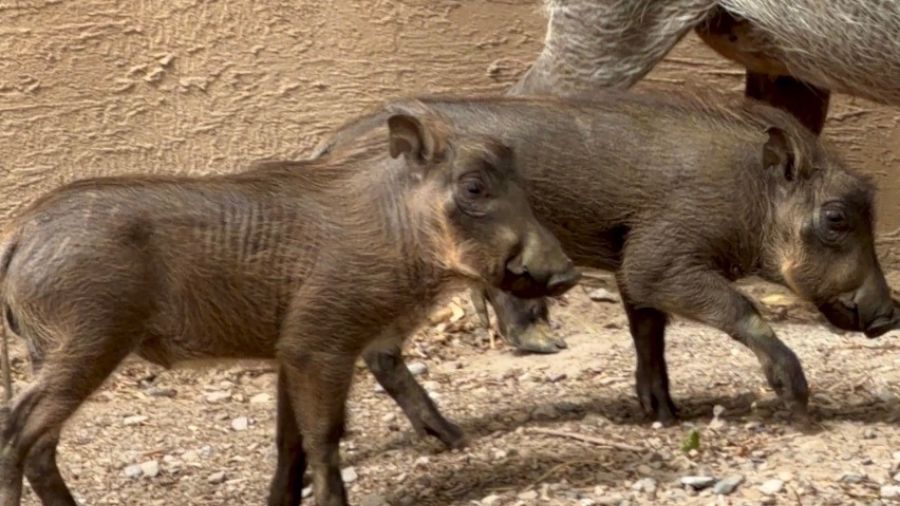
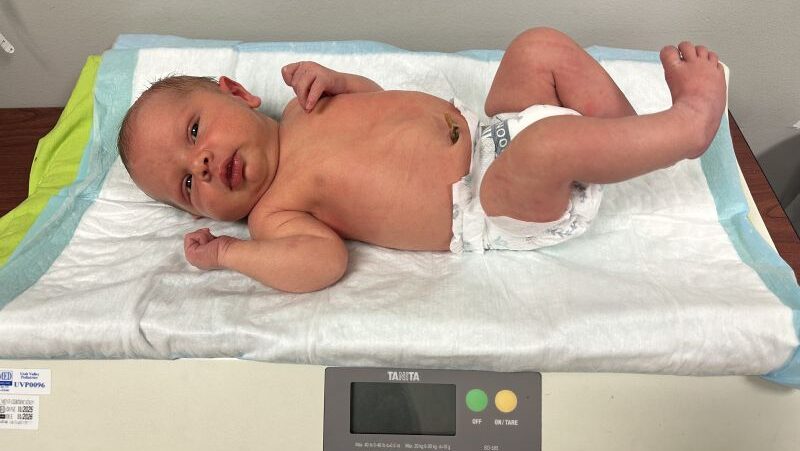
Two male piglets born June 14 are the first warthog piglets born at Utah's Hogle Zoo. (Photo credit: Utah's Hogle Zoo)
(Photo credit: Utah's Hogle Zoo)
SALT LAKE CITY — The birth of two male common warthog piglets is the first-ever such arrival at Utah’s Hogle Zoo. Named Chad and Wharton, the brothers have been behind the scenes and getting to know their mom, Tikiti, since their arrival on June 14.
Because the mother had never given birth, and because of her rocky beginning, Hogle Zoo staff said it wasn’t a guarantee that Tikiti would accept the little ones or know what to do with them.
But as it turns out, she did.
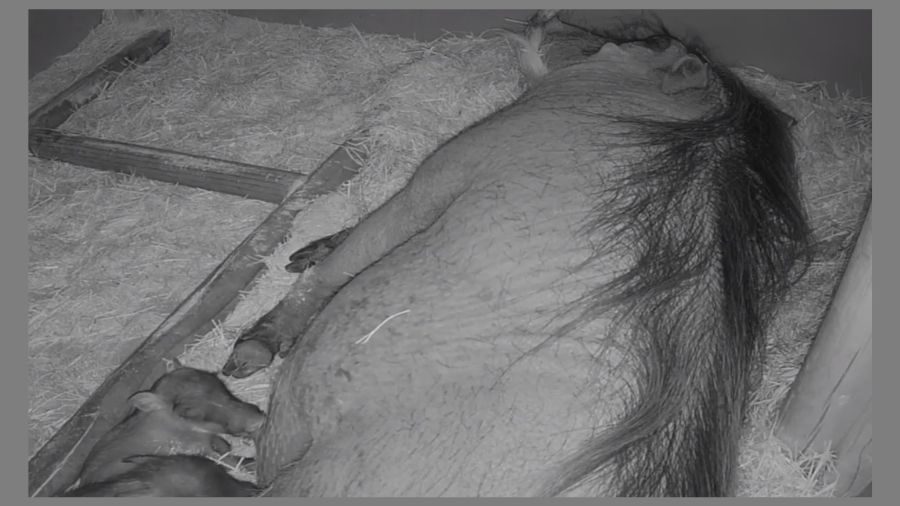
“I’m happy to announce that Tikiti has been a wonderful, attentive, and loving mother to her two babies,” said Lauren LeCoque, the zoo’s African Savanna supervisor, in a news release. “Sometimes natural instincts kick in with first-time moms, and she made it look easy.”
At the the time of publication, the boys weighed in at a healthy 11.1 and 11.2 pounds.
Tikiti’s journey to Utah
Tikiti came to Utah from the Dallas Zoo, where Hogle Zoo officials said she was hand-reared. When she arrived in Utah, she “had to be coached on how to be a warthog,” said Melissa Dacumos, Hogle Zoo’s director of animal care.
They “coached” Tikiti by spending time with her and walking her around the zoo’s African Savanna exhibit. Then they introduced her to eight-year-old Swifty, the eventual father.
These baby warthogs will have a mission
The repercussions from the birth of two little Pumbaas will one day reverberate beyond Utah.
“As they get older, these two males will become active members in the Association of Zoos and Aquariums Species Survival Plan,” LeCoque said.
This association of zoos, of which Utah’s Hogle Zoo is a member, tracks and cares for animal species outside of their natural habitats. The animals are raised in controlled environments, with two goals according to the charity Field Studies Council: to “support conservation by ensuring the survival of threatened species and the maintenance of associated genetic diversity.”
So Utah’s Hogle Zoo won’t be the piglets’ last stop. As they grow, they’ll likely move to another accredited zoo and “serve as ambassadors for their species,” the zoo said in a statement.
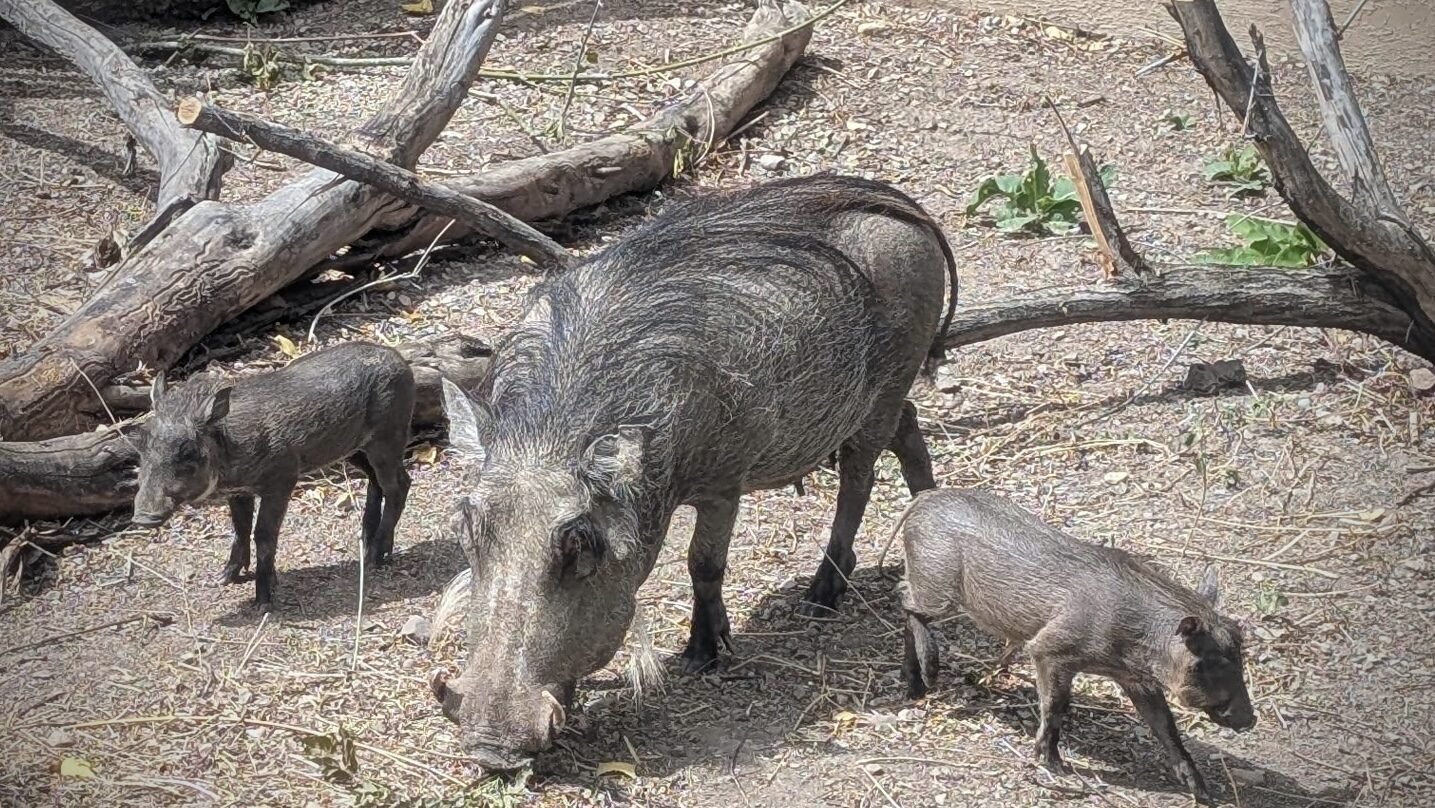
Want to see the piglets?
Visitors can see Wharton, Chad, and Tikiti at Hogle Zoo’s African Savanna habitat, near the base of Twiga Terrace. That is, unless they’ve taken refuge in their private den where the family spends part of each day.