Sen. Mike Lee announces changes to proposed public lands sale
Jun 23, 2025, 10:41 PM | Updated: Jun 24, 2025, 8:08 am
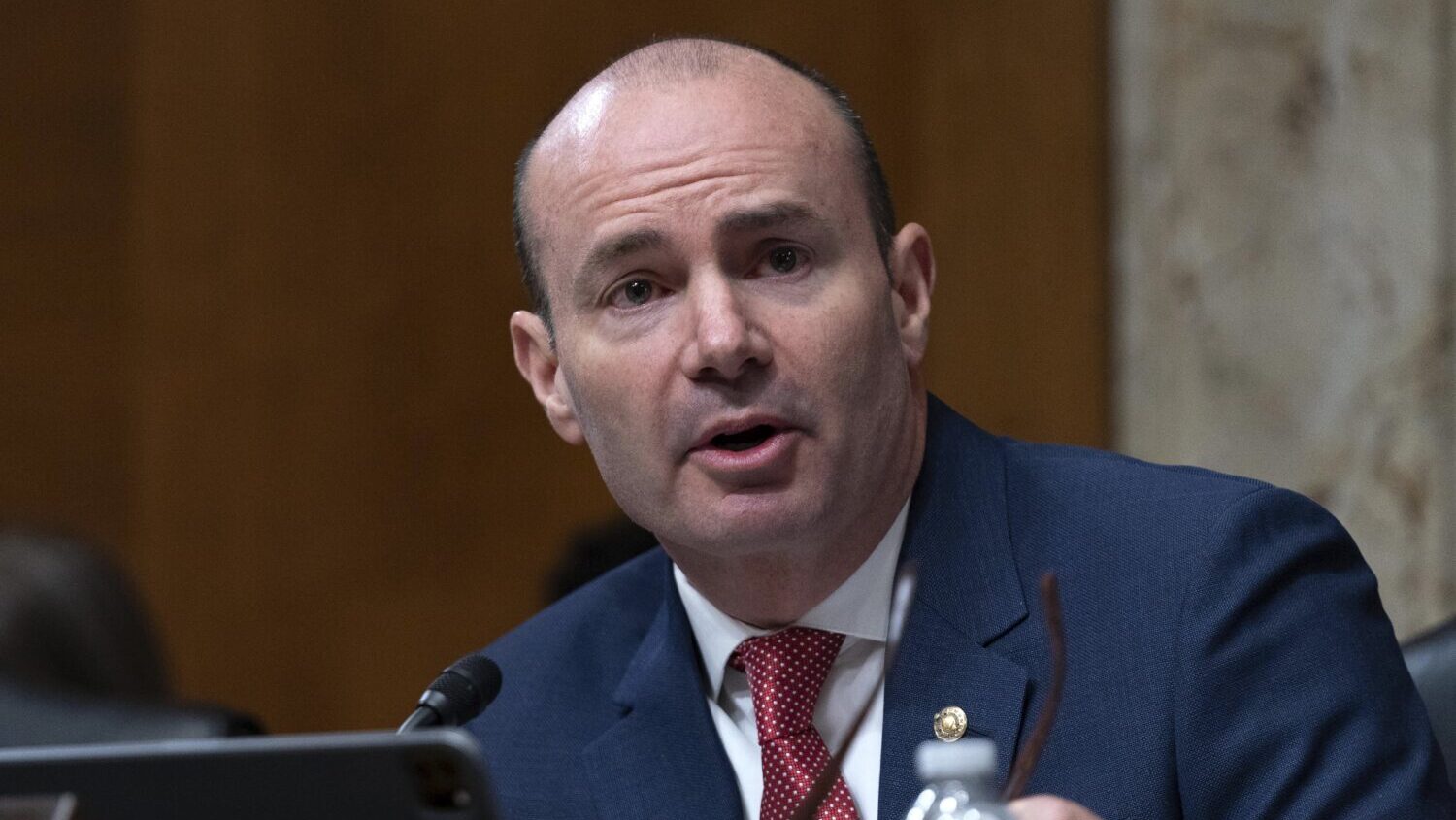
FILE - Sen. Mike Lee, R-Utah, Chairman of the Senate Energy and Natural Resources Committee, speaks during the confirmation hearing on Capitol Hill in Washington, Jan. 16, 2025. (Jose Luis Magana/Associated Press)
(Jose Luis Magana/Associated Press)

SALT LAKE CITY — Late on the night of June 23, Sen. Mike Lee announced changes to his controversial proposal that could trigger the sale of millions of acres of public lands.
In a post on X, the Republican Senator revealed his plans to revise the proposal. They include taking the potential sale of all Forest Service land off the table and “significantly reducing” the Bureau of Land Management lands that could go up for sale.
Housing prices are crushing families and keeping young Americans from living where they grew up. We need to change that.
Thanks to YOU—the AMERICAN PEOPLE—here’s what I plan to do:
1. REMOVE ALL Forest Service land. We are NOT selling off our forests.
2. SIGNIFICANTLY REDUCE…
— Mike Lee (@SenMikeLee) June 24, 2025
A previous draft of the Senate Energy & Natural Resources Committee budget reconciliation bill ordered the sale of 3.3 million acres of public lands, including BLM and Forest Service lands. He defended the proposal as a means to create more affordable housing, despite criticism from those worried about the lack of clear requirements in the bill text.
Lee has also faced heavy criticism from environmental and recreation groups alike, who said the proposal could negatively impact recreation access across the west. In Utah alone, several beloved backcountry skiing areas and hiking trails fell into areas believed to be included in the sale.
According to Lee’s post, the updated draft of the bill will only include BLM land that is within five miles of cities.
In addition to promising a trimmed back selection of public lands that could go up for sale, Lee said an updated version will create “freedom zones.”
Finally, Lee said that farmers, ranchers and recreational users come first.
In the midst of criticisms from recreation enthusiasts, conservationists and lawmakers alike, Lee has continued to defend his proposal.