Court vacates sentence for Utah death row inmate, but upholds his conviction for 1985 murder
Jul 25, 2024, 2:08 PM | Updated: 2:56 pm
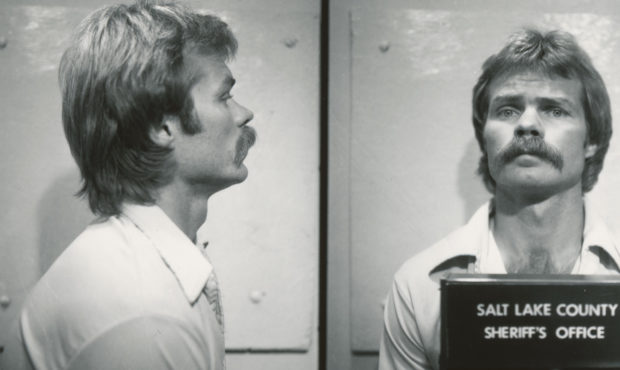
Doug Lovell, seen here in a Salt Lake County mugshot, was arrested several times in the summer of 1985 but released, in spite of facing serious charges related to the rape of Joyce Yost. She vanished 10 days before she would have testified against him. Later, his appeal would focus on trying to withdraw his guilty plea to Joyce Yost's murder. Photo: Police files
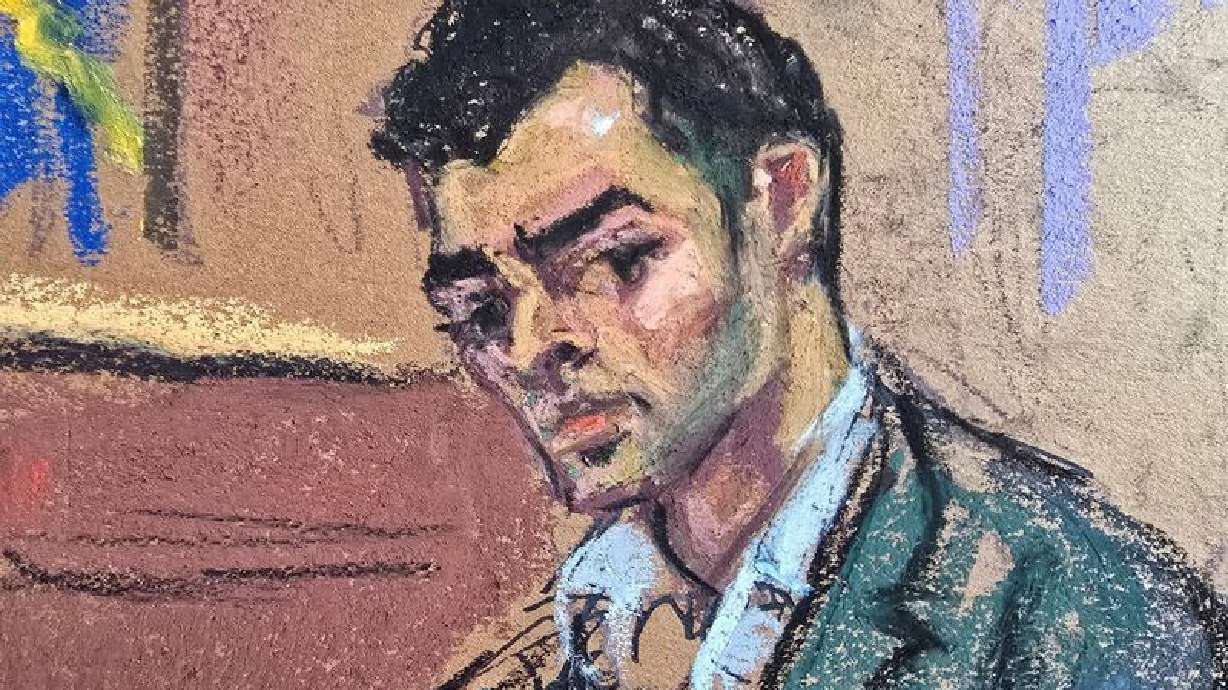
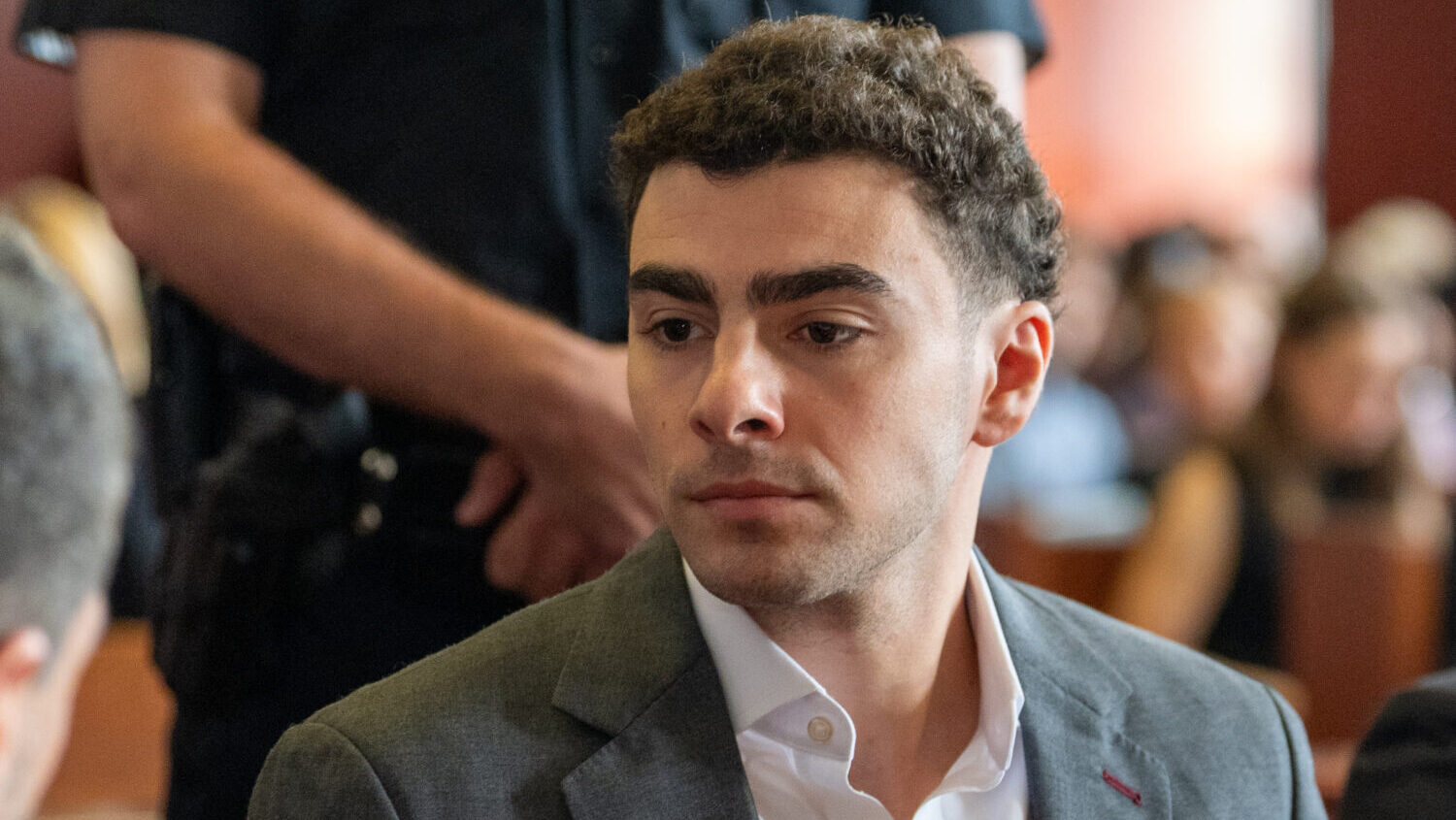
SALT LAKE CITY — The Utah Supreme Court has vacated the sentence given to death row inmate Douglas Lovell in an opinion published on Thursday.
Douglas Lovell, 67, was convicted in 2015 of the murder of Joyce Yost in 1985 and was sentenced to death. The high court upheld his murder conviction, but vacated the death sentence and sent the case back to the district court.
COLD: Lovell found guilty in rape trial, at which Joyce Yost would never appear
Investigators say Lovell murdered Yost to prevent her from testifying against him after he had been charged with raping her. Authorities said he tried to hire two other people to kill Yost before deciding to carry out the murder himself. Her body has never been found.
Lovell argued, in asking the high court to review his conviction and sentence, that testimony he made in connection with a guilty plea in 1993 that was later vacated should not have been admitted during his trial. The 1993 guilty plea and associated death sentence were vacated in 2011, leading to a trial in 2015.
The Utah Supreme Court said the admission of the testimony did not cause enough prejudice against him “in light of the overwhelming evidence of his guilt,” and affirmed his conviction.
The court did, however, say that his attorneys did not meet the standards required by the U.S. Constitution, specifically because they did not object or sufficiently respond to court testimony “regarding Lovell’s excommunication from The Church of Jesus Christ of Latter-day Saints and regarding the need for him to repent and demonstrate remorse” before he could potentially regain church membership.
Continue reading at ksl.com.