SEC to close Salt Lake office after ‘gross abuse of power’ in Utah crypto case
Jun 6, 2024, 6:33 AM | Updated: 6:45 am
SEC prosecutors, alleging Draper-based crypto company Debt Box and others engaged in fraudulent business practices, were sanctioned and their case dismissed May 28, after it was found they acted in bad faith. (Yuri A, Shutterstock) (Adobe Stock)
(Adobe Stock)
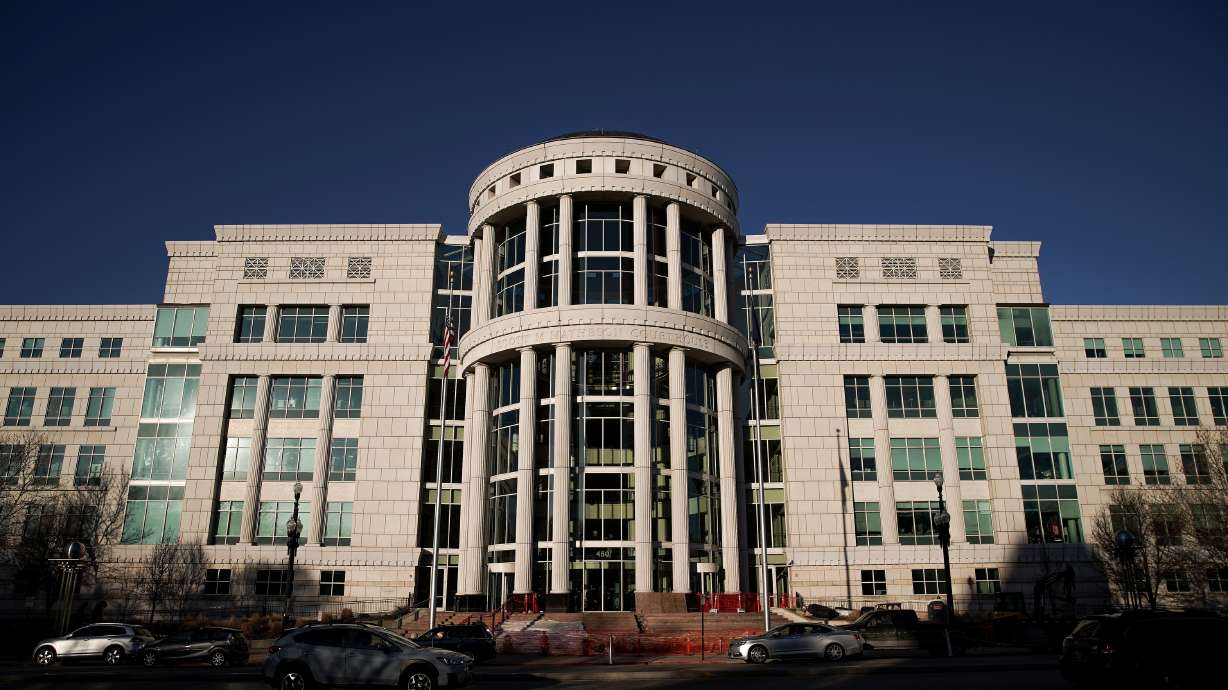
SALT LAKE CITY — The U.S. Securities and Exchange Commission (SEC) announced Tuesday it will be closing its Salt Lake office later this year.
The news comes just a week after misconduct by commission prosecutors led to the dismissal of a civil fraud case against Utah cryptocurrency brokers and the awarding of $1.8 million in attorney fees.
“Companies were seized, assets were frozen and lives were upended” as a result of misconduct by SEC prosecutors, a federal judge said while dismissing a civil fraud case against Utah cryptocurrency brokers and awarding the brokers $1.8 million in attorney fees.
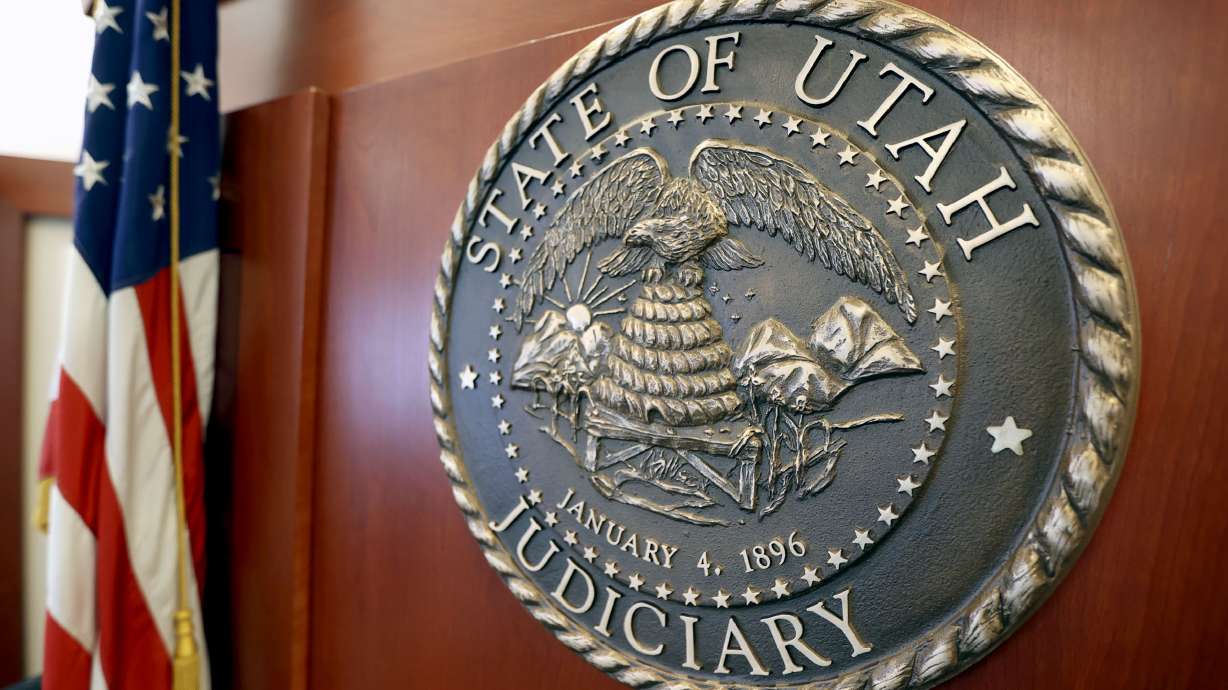
U.S. Chief District Judge Robert Shelby upbraided the commission, saying it recklessly used “layers of false statements” in a “gross abuse of power,” their misrepresentations were “deeply troubling” and they undermined the integrity of the judicial process, before dismissing its case May 28 and ordering payment of fees that will ultimately be financed by taxpayers.
The commission’s press release did not mention the case, instead blaming the closure on recently experienced “significant attrition.”
“The agency considered its budget and organizational efficiency in deciding to close the office,” the SEC said. “All current staff will be aligned to existing SEC organizational components based on their current functions and agency mission needs.”
In July 2023, Debt Box, a cryptocurrency broker formerly operating out of Draper, and North Salt Lake financial technology company iX Global, along with a number of other associated parties, were sued by the SEC alleging “an ongoing, sprawling, fraudulent securities offering through which defendants have defrauded thousands of investors of at least $49 million,” according to the initial complaint.
Continue reading at ksl.com.
Related:
- Bill banning Central Bank Digital Currency one step closer to becoming law
- Church settles case with SEC over financial reporting