Utah streamlines ICE prisoner release process for those in US illegally, no change in deportation process
May 14, 2025, 4:26 PM | Updated: 4:27 pm

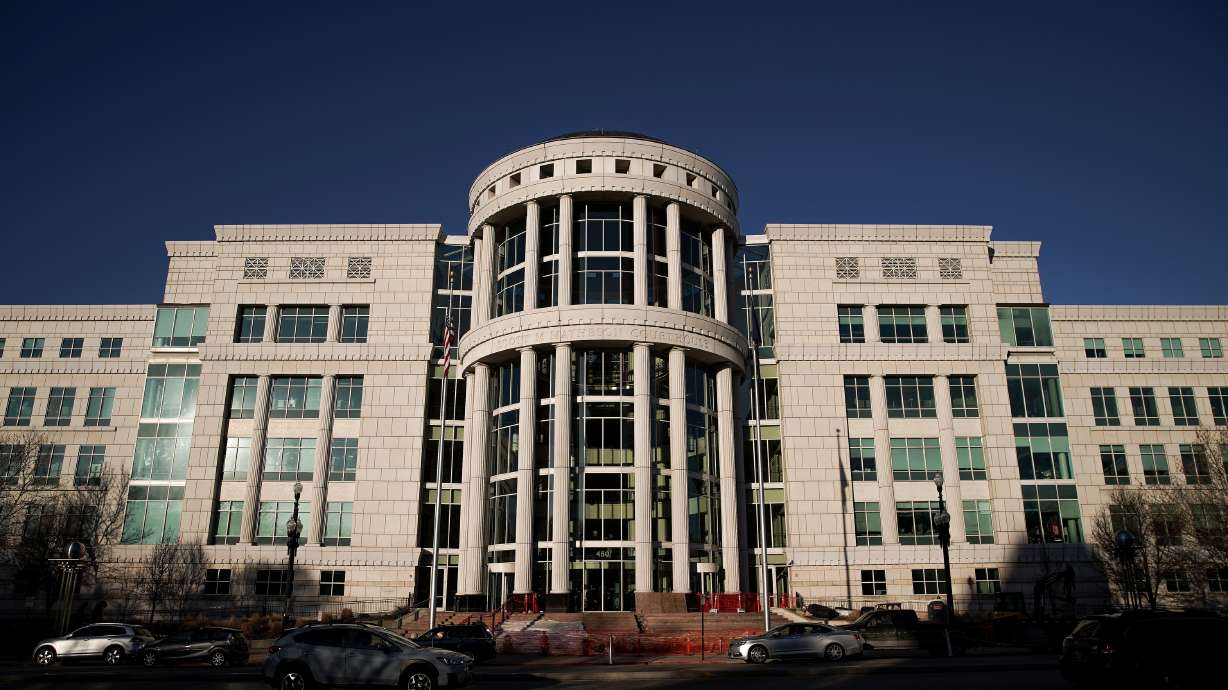
FILE: The Utah State Prison in Draper. (Utah Department of Corrections)
(Utah Department of Corrections)

SALT LAKE CITY — In collaboration with Immigration and Customs Enforcement, Utah signed an agreement Wednesday that aims to streamline the process when releasing “dangerous criminals” who were jailed in the U.S. while in the country illegally. However, state officials said the move does not change how the state handles inmates flagged for deportation.
The agreement is a part of ICE’s 287 (g) program, which most other states in the U.S. have also agreed to in some form, excluding Washington, Oregon, California, Illinois, Delaware, Rhode Island and Vermont.
Each state has implemented at least one of the three “removal operations” that ICE outlines within the program: the jail enforcement model, the task force model or the warrant service officer program.
The first two models were designed to outline processes for local law enforcement as they perform routine duties and encounter illegal immigration in the field; the latter is a process that provides warrants for those incarcerated in the U.S. illegally, upon their release.
“UDC has a long-standing history of cooperating with ICE to remove dangerous criminals after their sentences are complete,” the UDC said. “This (agreement) makes that relationship official, formalizing how state officials and ICE officials have been working together for several years.”
Executive Director Spencer Turley told KSL NewsRadio the agreement, made under the federal Immigration and Nationality Act, simply formalizes an existing process.
“So for many years, regardless of the federal administration in Washington, D.C., the Department of Corrections has partnered with ICE regarding inmates in the custody of the state prison,” Turley said. “For years, ICE has placed detainers on inmates, meaning that when an inmate is paroled from prison, instead of being released onto the streets, ICE will come and take custody of the person for deportation proceedings.”
The agreement will establish a warrant service officer stationed at the Utah State Correctional Facility and the Central Utah Correctional Facility. The officer will be an employee with the UDC, and will be trained to coordinate and share information with ICE.
“We are dedicated to protecting communities, and that’s what this relationship does,” said UDC Executive Director Jared Garcia. “We will not tolerate those who come to our country illegally and victimize our citizens. We will continue to collaborate with our local, state and federal partners to hold these people accountable.”
Turley emphasized that the agreement only solidifies existing practices and does not give ICE any new authority. He also stressed that no inmates are being pulled from prison before completing their sentence. The decision about which inmates are flagged for deportation, he said, is made at the federal level, not by the state.
“This applies only to inmates already in our custody,” Turley said. “We don’t decide who ICE targets.”
The agreement affects only those currently serving time in Utah’s prison system, he added.
UDC did not outline what will happen after a warrant is served to an individual upon their release from prison, just that there would be an officer trained to handle it.
ICE has not responded to requests for clarification on which specific crimes qualify someone as a “dangerous criminal” under the agreement.
Salt Lake County District Attorney Sim Gill weighed in on the issue, saying that dangerous criminals are typically those involved in violent, person-on-person crimes.
“Dangerous criminals, we look at as criminal prosecutors, are those who are engaging in person-on-person crimes,” Gill said. “When we screen these cases, we don’t always know the immigration status of the person. It doesn’t always start out by somebody telling us they’re here illegally or undocumented. What we see is a crime happened, there’s evidence, and we file charges.”
Gill added that his office’s goal is to bring justice for victims, regardless of their immigration status. He also emphasized that the justice system is more effective in Utah than it might be in other countries.
“I’ve always been of the opinion that even if you’re here illegally and I convict you of a crime, I would much rather you do the time here, because that measure of justice may not be available in the country you’d be sent back to. This is simply memorializing the practice,” Gill said.
The Utah Department of Corrections says it will continue to cooperate with ICE under the established process, and the agreement does not change the way inmates are handled once flagged for deportation.