ELECTIONS, POLITICS, & GOVERNMENT
Trump signs 2 immigration actions to limit birthright citizenship and curb ‘birth tourism’
Aug 6, 2026, 3:59 PM
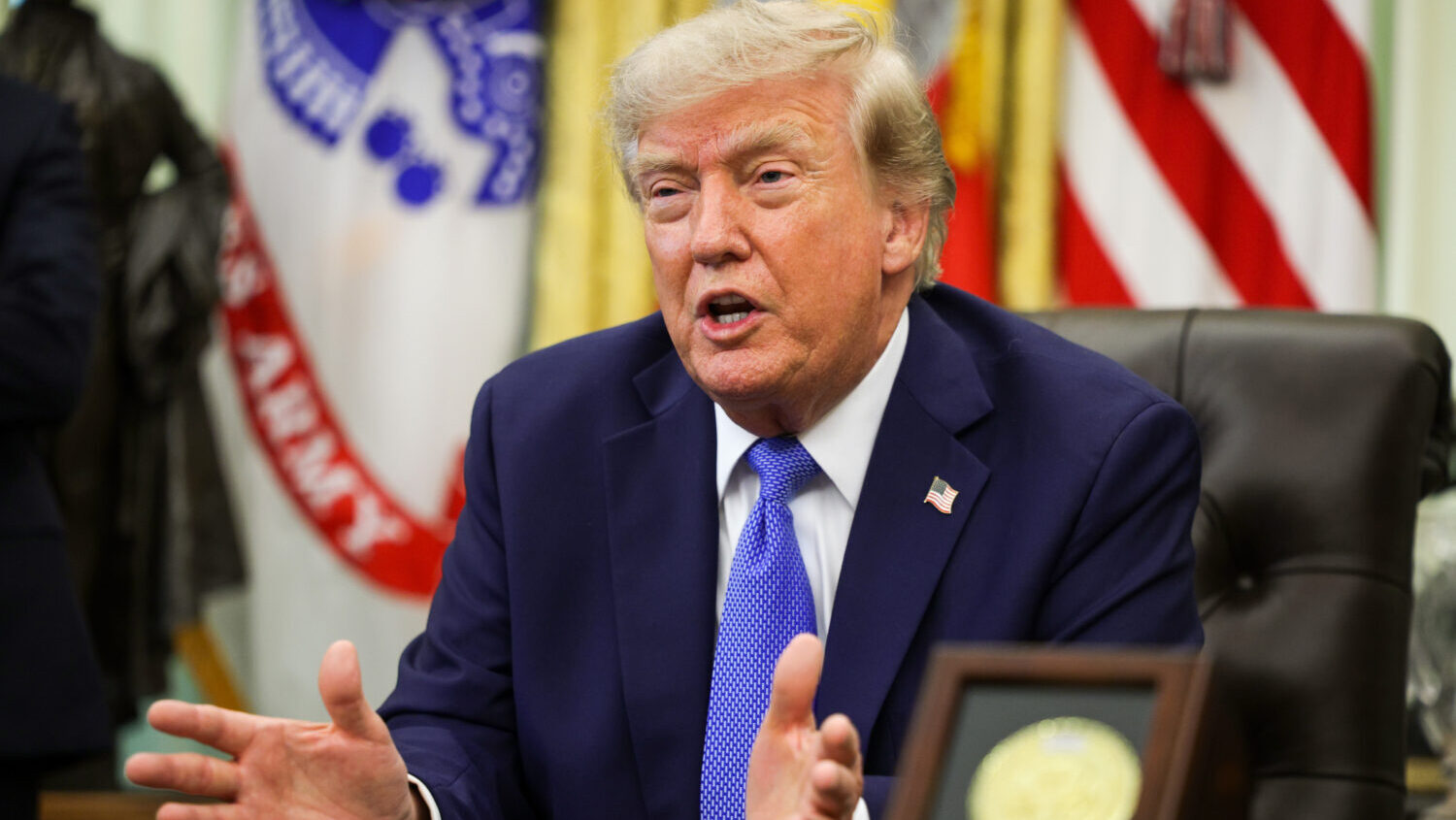
U.S. President Donald Trump speaks during an event in the Oval Office of the White House on August 06, 2026 in Washington, DC. President Trump is expected to sign two executive orders on bringing computer chip manufacturing to the U.S. and denying birthright citizenship to children of foreign diplomats. (Alex Wong, Getty Images)
(Alex Wong, Getty Images)
WASHINGTON (AP) — President Donald Trump said Thursday that he is once more trying to limit the number of people who are born in the country who can become American citizens, in a sign that even after his first attempt at limiting birthright citizenship was rejected by the Supreme Court, he’s ready to try again.
The president said he was signing two executive actions on immigration.
He said one will limit the number of people eligible for U.S. citizenship after being born in the United States.
A second order seeks to curb what Trump called “birth tourism” by increasing restrictions on visitors to the U.S. who want to obtain visas to give birth while in the country.
Other news: McConnell says he’s leaving rehabilitation center to continue recovery at home
Additional details weren’t provided, but Trump said he thought his latest actions would be constitutional.
In June, the Supreme Court rejected Trump’s previous efforts to declare that children born to people in the U.S. illegally or temporarily aren’t American citizens, and upheld a broad conception of birthright citizenship.
On Trump’s first day in office of his second term, he signed an executive order aimed at ending birthright citizenship, which allows anyone born in the United States to automatically become an American citizen.
Trump’s administration was immediately sued by opponents who said the executive order went against the 14th Amendment, adopted after the Civil War, which makes anyone born in the country a citizen, with very limited exceptions.
The executive order was blocked by several lower courts and never took effect.
In June, the Supreme Court struck down Trump’s order by a 6-3 vote. But the vote was too close for many immigration advocates and legal observers who felt the legal question of birthright citizenship was a long-settled issue.