Earlier monsoon season likely won’t be enough to tame Utah wildfires completely
Jun 30, 2026, 1:57 PM
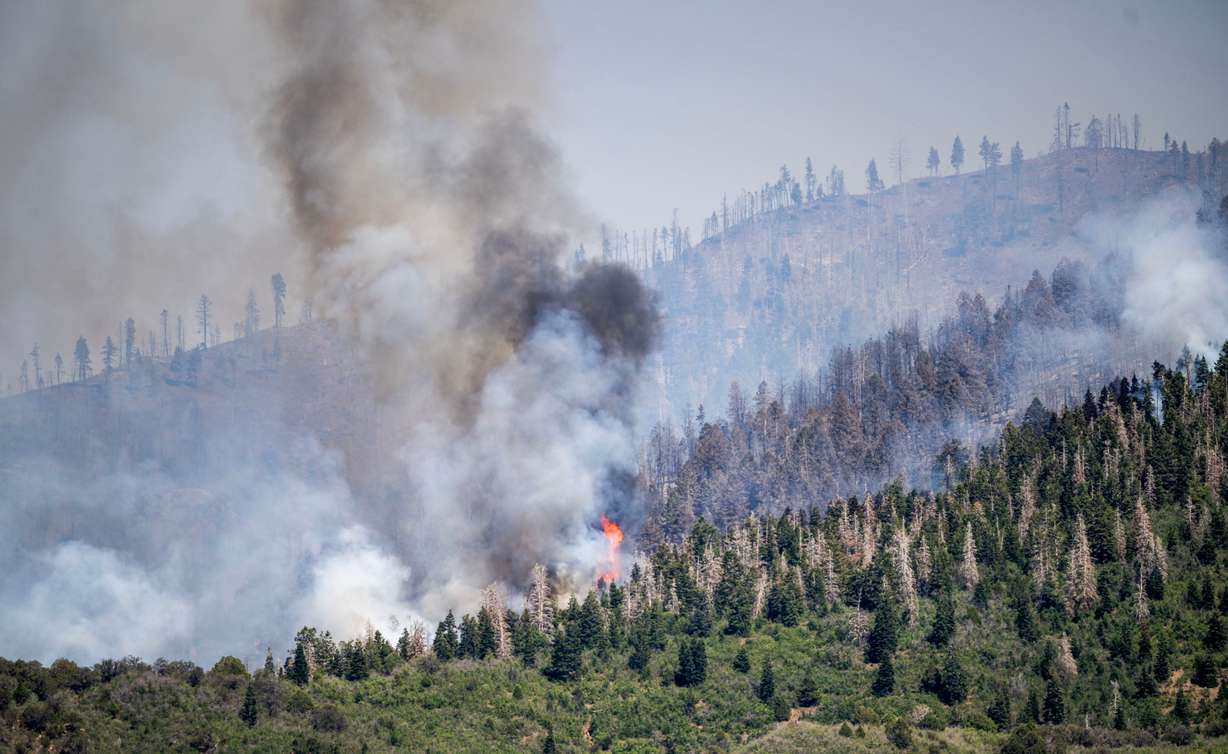
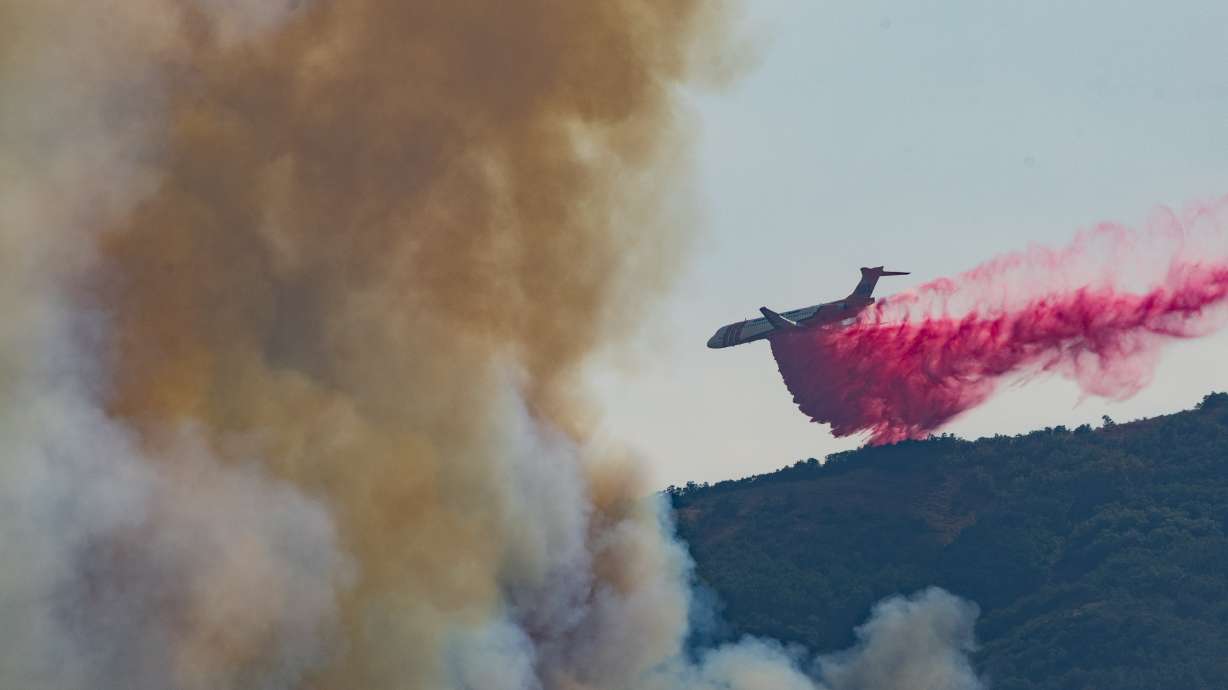
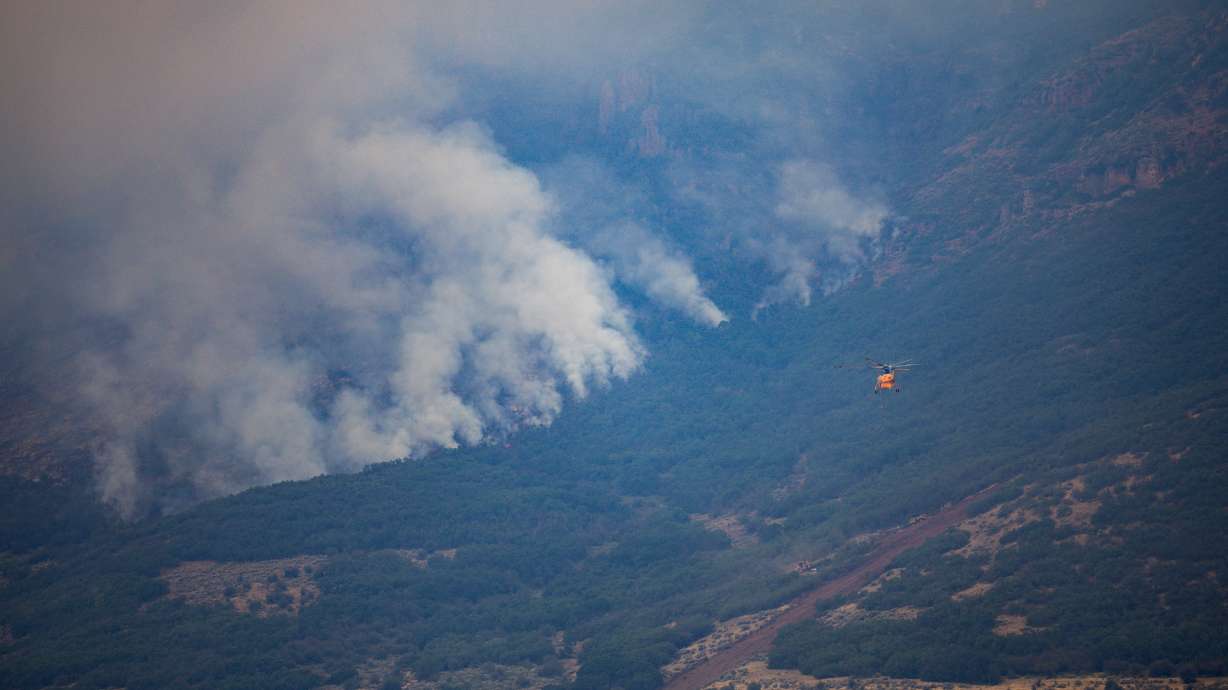
The Cottonwood Fire, burning on the mountains east of Beaver, continues on Monday. The fire remains just 4% contained as of Monday. (Photo: Scott G Winterton, Deseret News)
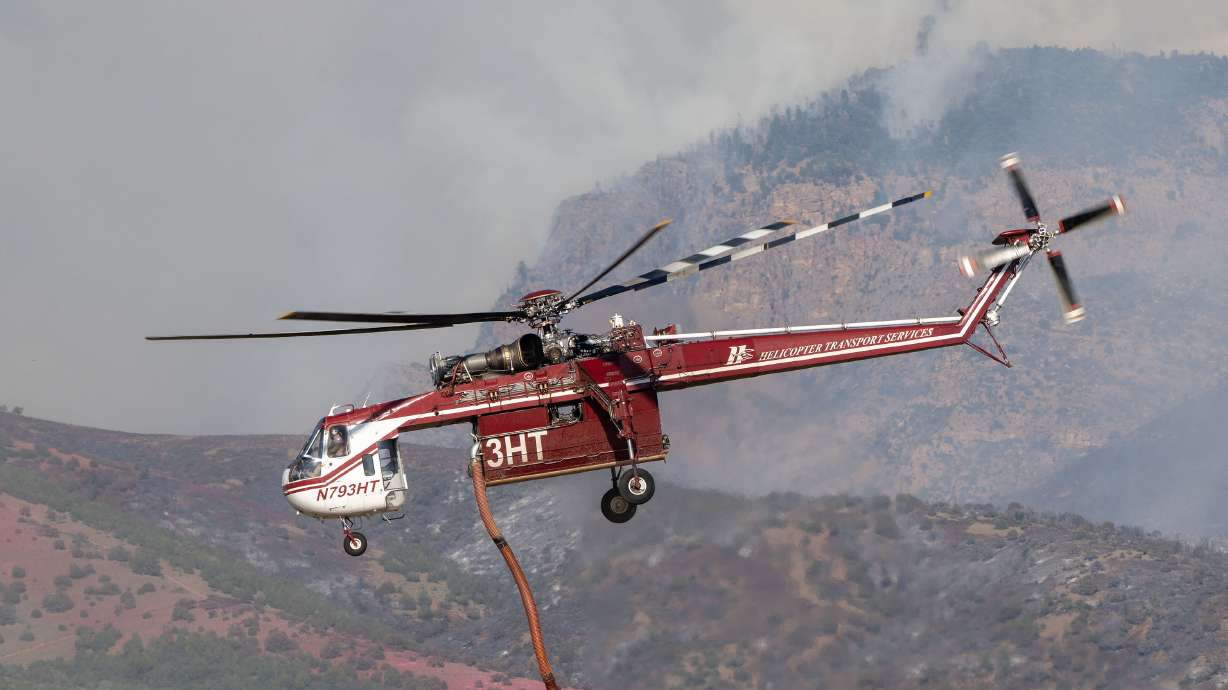
(Photo: Scott G Winterton, Deseret News)
This story was adapted from a radio broadcast script using artificial intelligence. Every story, including those adapted with AI, is reviewed by a human editor before publication to ensure that KSL’s editorial standards are upheld.
SALT LAKE CITY — Utah is on track to reach monsoon season a little earlier than normal, but it could still take weeks to put a dent in the wildfires burning statewide, according to KSL meteorologist Kevin Eubank.
“The monsoon outlook this season is actually looking pretty good because of some of the setups that we have. It looks to be that the monsoon [season] will come a little earlier and has the potential to bring above-normal precipitation across southern, south-central, and even curling into southeastern Utah,” Eubank said.
While monsoon season typically arrives toward the end of July or beginning of August in Utah, he expects it could arrive as early as the first part of July in 2026.
“That would be a great thing, if we can get more rain with those monsoonal storms instead of convection and lightning,” Eubank said. “So that’s a big deal, and we hope that we could bring that in here in the next couple of weeks as we roll into the month of July.”
Earlier monsoon season doesn’t fix wildfires
Eubank cautioned that when fires span tens of thousands to up to 100,000 acres, one storm isn’t nearly enough to eliminate the wildfires. Nor will it erase the state’s persistent drought conditions.
“No single storm is going to get us out of the drought. It’s going to take pattern changes over a prolonged period of time to help us get back to a place that is manageable,” Eubank said.
Read more: This Utah town is watching its mountain and way of life burn
Monsoon/wildfire relationship is complex
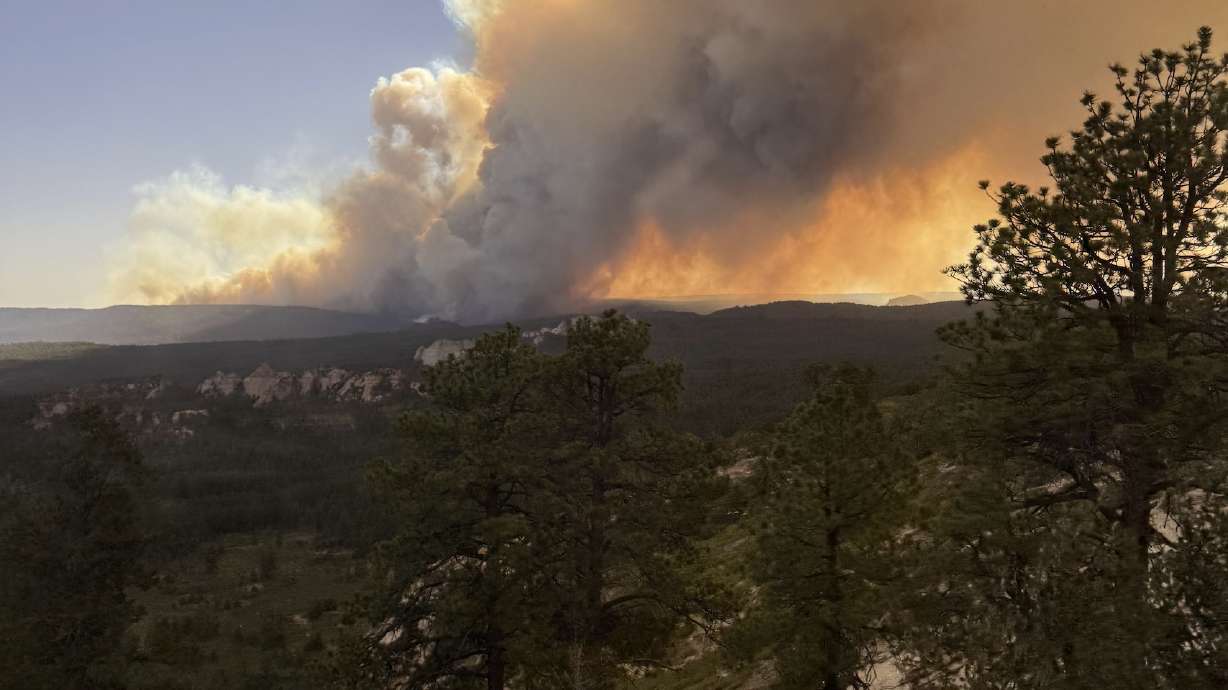
As of June 29, the Cottonwood Fire had burned nearly 94,000 acres in Fishlake National Forest near Beaver, Utah. At publication date it was considered the largest wildfire in the country. And wildfires of that size require “weeks, if not months” of hard work from firefighters to establish fire lines and make progress against the flames, he said, whether monsoon season helps or not.
Recent cooler weather and rain has helped crews maintain their progress against wildfires burning in and around Utah in the last few days, but Eubank notes the pattern is changing back to hotter and drier conditions headed into Independence Day.
“As we head towards the 4th of July, we’re going to see warmer temperatures, lower humidities, and those winds will pick up, and that will reintroduce a level of fire danger to the whole state that — regrettably, we’ve become used to this year,” Eubank said.