Why some Utah wildfires stay listed as ’cause unknown’ for weeks or months
Jul 1, 2026, 4:18 PM
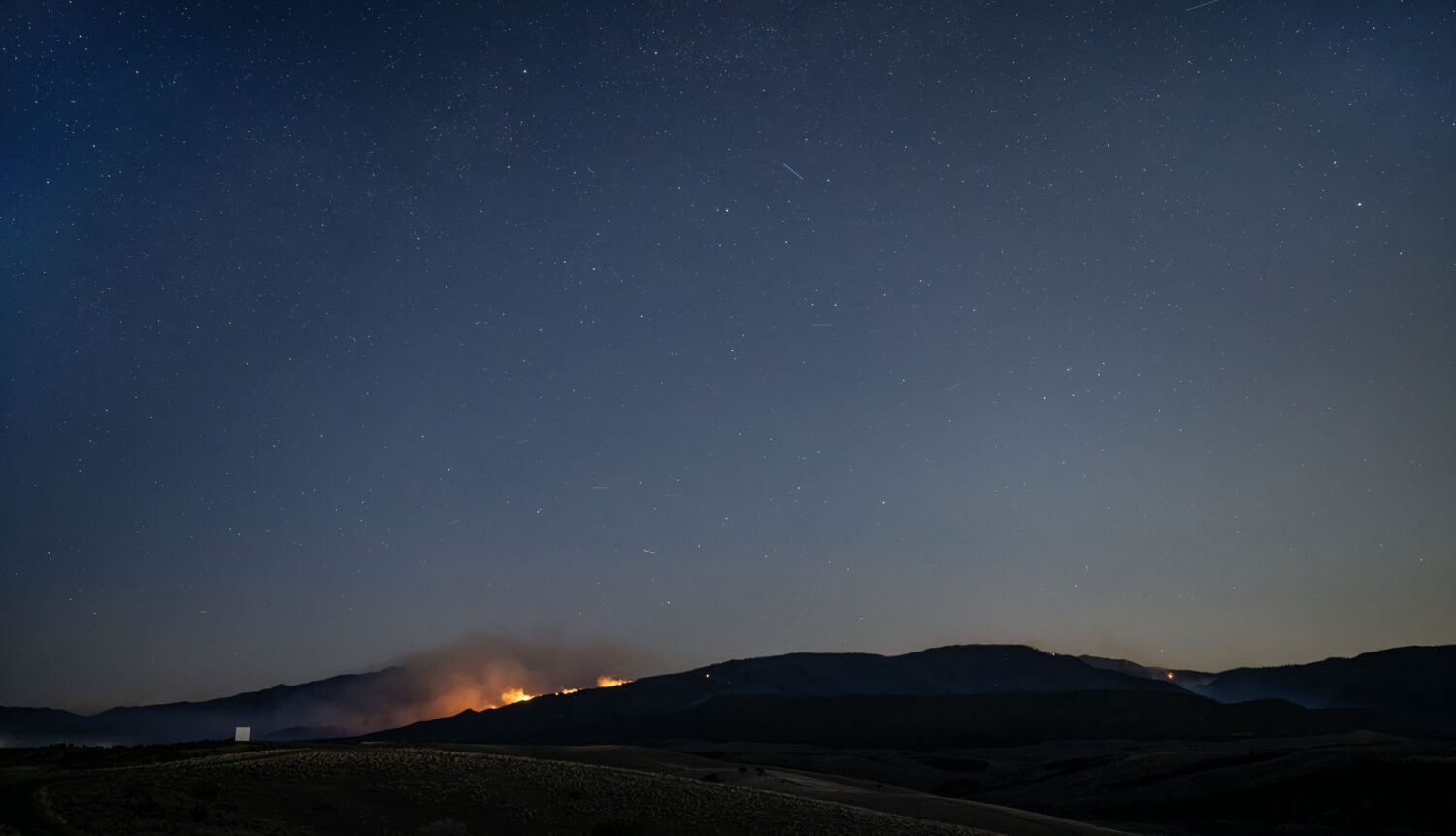
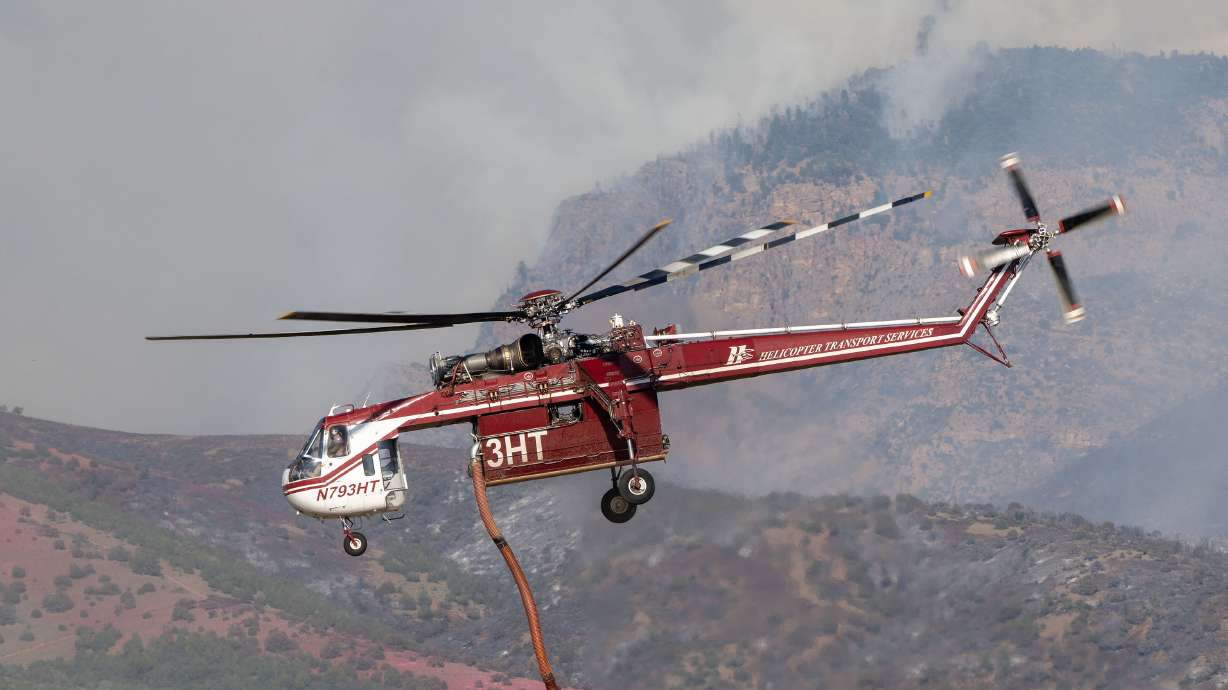
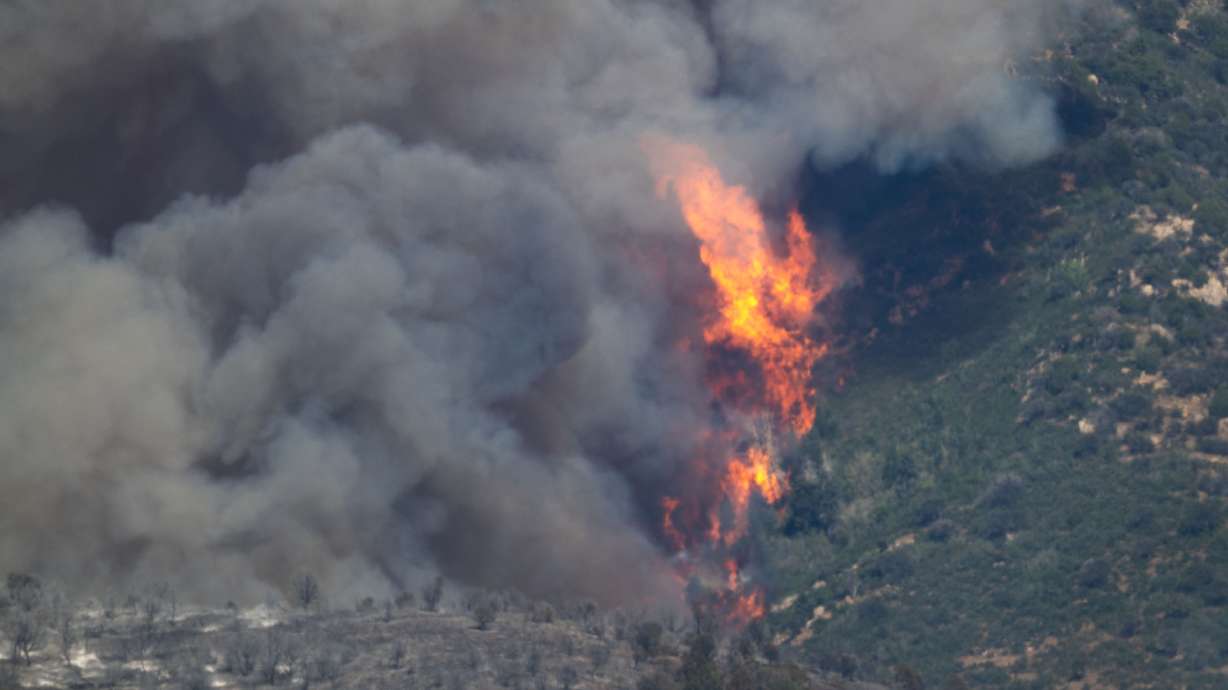
The Cottonwood Fire continues burning in the mountains east of Beaver on Tuesday, June 30, 2026. (Scott G Winterton, Deseret News)
(Scott G Winterton, Deseret News)
SALT LAKE CITY — When a wildfire breaks out, firefighters race to protect lives and stop the flames. But determining what sparked the fire is often a much longer process.
Many of Utah’s largest wildfires remain listed as “under investigation” or “cause unknown” on the Utah Fire Info website, leaving many people wondering why investigators don’t have answers sooner.
Other Utah news: Salt Lake Temple ready for seismic activity
Alyssa Mason, a public information officer with Great Basin Team 5 and a certified wildfire investigator, said that’s because investigators usually can’t begin their work until firefighters have made the area safe.
Firefighters first, investigators second
“The first priority is always suppressing the fire,” Mason told KSL. “Once it’s safe to get into the area, investigators can begin working backward to determine where the fire started and what caused it.”
Investigators begin at what’s known as the point of origin — the location where they believe the fire first ignited. By the time investigators arrive, however, evidence may have been altered by firefighting equipment or damaged by the fire itself.
“Crews may have driven dozers or engines through that area while trying to stop the fire,” Mason said. “Investigators have to reconstruct what happened before they can determine a cause.”
Searching for a match
Finding a wildfire’s cause often comes down to searching for tiny clues across a large burned landscape.
For lightning-caused fires, investigators may look for trees showing signs of a strike, including splintering or crystallized sap. In suspected human-caused fires, they search for cigarette butts, matches, metal fragments from dragged trailer chains or engine parts that may have created sparks.
Sometimes they even bring in specially trained fire detection dogs capable of locating traces of petroleum products or other materials that could help identify how a fire started.
“It’s kind of a big process,” Mason said. “You’re sifting through sometimes a huge area just trying to find a literal match in the woods.”
Bigger fires create bigger challenges
The larger the wildfire, the more difficult the investigation can become.
Mason said investigators rely on fire progression maps, terrain, wind direction and burn patterns to narrow their search, but they may still have to comb through large sections of burned ground before identifying the exact point where the fire began.
Even with those tools, she said, determining a cause takes patience.
If a fire is listed as under investigation, it doesn’t mean investigators are stuck
One of the biggest misconceptions, Mason said, is that investigators know what caused a wildfire almost immediately.
“I think people think that this is kind of an immediate thing,” she said. “But this isn’t. This is nature. We’re out there in the woods. We’re dealing with rain. We’re dealing with wind. All of these can kind of slow down an investigative process.”
She said investigators deliberately avoid rushing to conclusions.
“We really want to make sure that we’re doing good investigative work,” Mason said. “When we’re talking about something being under investigation, it just means that we are still putting together the puzzle. We need all of the facts and all of the information before we can actually give a cause.”
Utah’s wildfire season continues
At the time of publication, the Utah Fire Info dashboard noted that Utah has recorded 390 wildfires that have burned 311,934 acres so far this year.
While investigators have already identified many fires as human-caused or lightning-caused, dozens remain under investigation as crews continue gathering evidence.
For Mason, that’s exactly how the process is supposed to work.
“The goal isn’t to determine the cause as quickly as possible,” she said. “The goal is to determine it correctly.”