See something wild? Here’s when DWR says you should report it
Nov 11, 2025, 1:48 PM

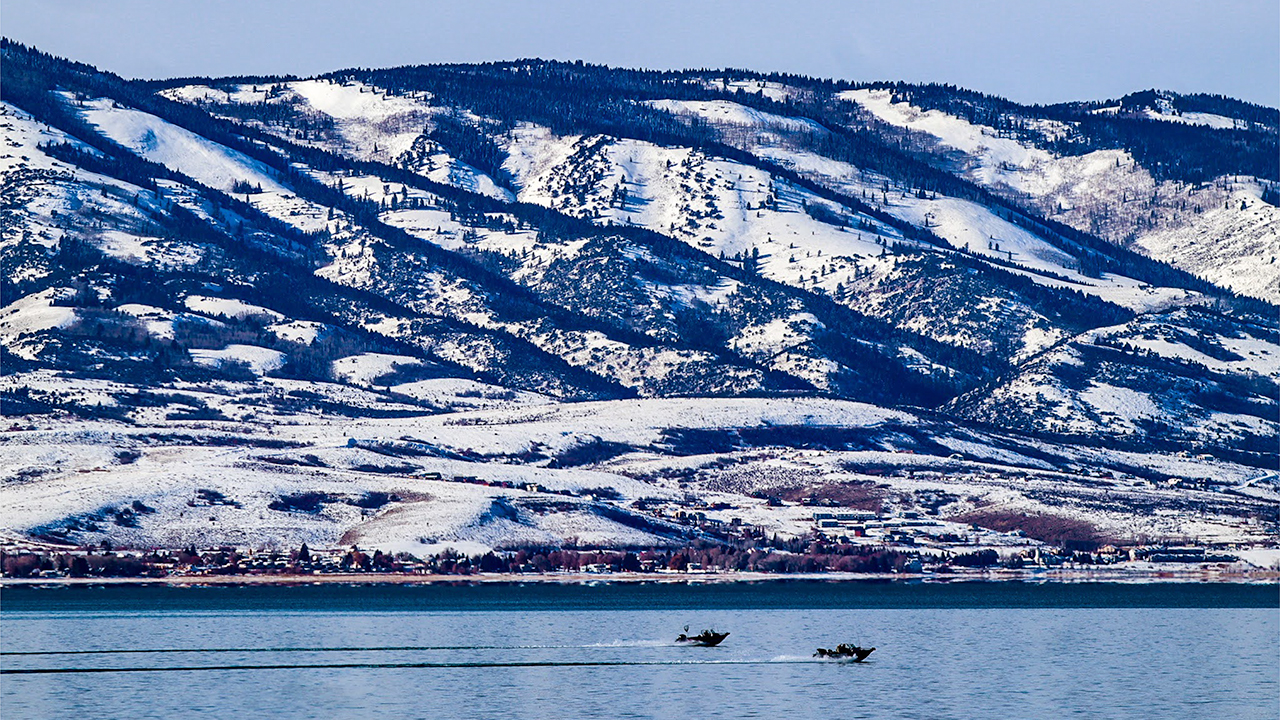
As winter weather arrives, Utah residents are cautioned about interacting with wild animals as they enter lower-elevations in search of food. (Utah Division of Wildlife Resources)
(Utah Division of Wildlife Resources)

SALT LAKE CITY — Utah’s growing human population has pushed further and further into nature’s territory, increasing the chances of interactions between wild animals and people.
While these interactions may be increasing, the Utah Division of Wildlife Resources said people may not need to worry about reporting every animal encounter.
Animal encounters typically occur while hiking or camping in Utah’s mountains or canyons. However, as winter months draw closer, encounters become more common as animals move to lower elevations seeking food.
Avoiding wild animals
While it may seem that animals are migrating into cities and other urban areas, in reality, humans themselves are building more in the foothills and canyons, where wildlife is naturally located.
Another compounding factor is the number of doorbell and security cameras on people’s homes, capturing more wildlife sightings that previously went unreported.
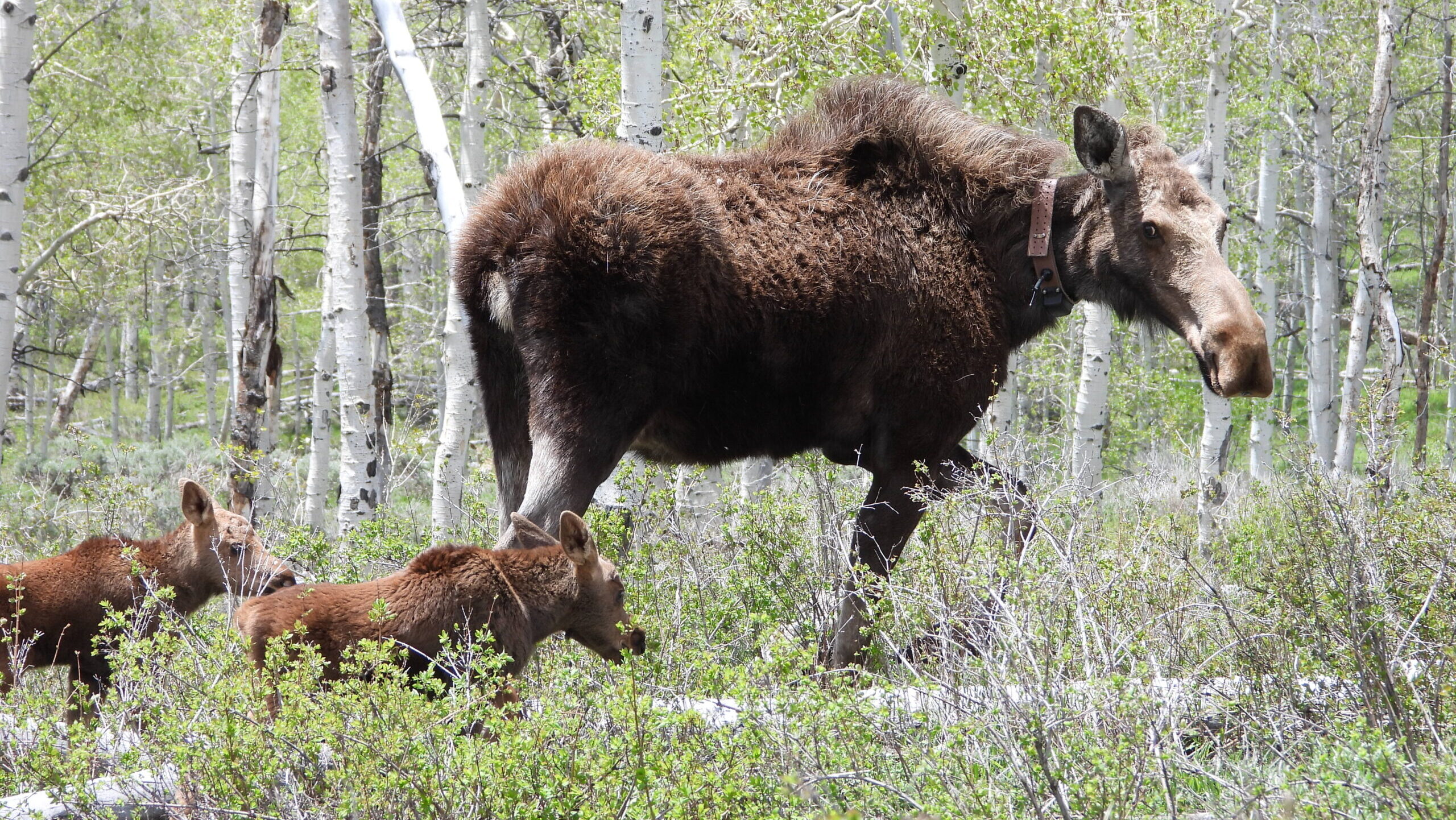
A mother moose walks with her two calves (Utah Department of Wildlife Resources)
“Getting too close to a wild animal can cause the animal to feel threatened,” DWR big game coordinator Dax Mangus said. “If it feels threatened, it will sometimes act aggressively to protect itself, which can be unsafe for you or your pets. However, these encounters can also be harmful for the animal. Because it’s harder for some wildlife to find food in the winter, they need to conserve their energy in order to survive. While a one-off encounter may not be fatal, repeatedly disturbing or chasing species — such as moose and deer — can cause them to use up some of the essential fat reserves and energy they need to survive the winter.”
Additionally, the DWR cautions Utah residents and visitors to never feed wild animals. While it is not illegal to feed wildlife except in certain cities, feeding wildlife can draw animals into neighborhoods and roadways, introduce foreign foods into their diets and potentially spread diseases among congregated animals.
“Whenever someone feeds wildlife, those animals will often return to that area in search of food,” Mangus said. “These areas are often near highways and towns. Concentrating deer and other wildlife near inhabited areas can sometimes result in increased traffic accidents and other human/wildlife conflicts. Attracting deer to your property through feeding can also attract predators, like cougars that follow deer herds. And while deer and moose are not predators, they are still wild animals and can be aggressive, particularly around dogs.”
Any time a wild animal injures a person, they should immediately report the incident and, if necessary, seek medical attention.
When to report wildlife encounters
Cougars
According to the DWR, cougars can be found throughout Utah in foothills and canyon areas, occasionally down inside valleys as well.
Cougar sightings need only to be reported if the animal has killed something in a neighborhood or yard, it is showing aggressive behavior or it appears multiple times in security camera footage.
Even if a cougar is filmed in a neighborhood a single time, often it is simply traveling through the area and will have left on its own by the time DWR biologists and conservationists respond.
Bears
Black bears are the only species of bear found in Utah, and have similar habitats to cougars.
Bears in foothills and canyons need not be reported unless the bears are acting aggressively, getting into trash or fruit trees or otherwise causing damage.
However, if a bear is spotted in a lower elevation within a city or otherwise heavily populated area, citizens should report the animal to the DWR.
Bobcats
Bobcats tend to avoid urban areas, but can still be occasionally spotted in neighborhoods.
These predators only need to be reported if they have caused property damage or have attacked a person, pet or livestock.
Birds of prey
According to the DWR, birds of prey will often feast on roadkill to help them survive the winter months. Occasionally, these birds will eat so much they will be unable to fly for a period of time.
The DWR cautions drivers to be aware of birds on the sides of the road and to watch carefully to ensure they do not hit the birds if they try to fly away.
Birds in the roads should only be reported if they are at risk of being hit by another vehicle, they have been in the same spot for more than 12 hours or if the birds have an obvious injury.
Turkeys
While many people put out backyard bird feeders to encourage songbirds and hummingbirds, the DWR cautioned people against leaving corn or other birdseed on the ground. Placing seeds lower to the ground can encourage wild turkeys to congregate.
The turkeys can cause property damage and nuisance issues when they gather, and also increase the risk of spreading avian influenza.
Wild turkeys are not predators, but they can become aggressive. The DWR encourages people to keep a safe distance from them and report turkeys that have become a nuisance, so officials can move them to a safer spot that will not cause conflict with people.
Deer
Buck deer can often become aggressive in November as they enter breeding season. Deer sightings should only be reported if the deer is acting aggressively towards humans while within a neighborhood.
Preventative measures against deer nuisances in yards can be found on the DWR website.
If a deer is hit and killed while inside a neighborhood, contact the nearest DWR office to report it to allow crews to remove the dead animal.
If a deer is hit and killed on a roadway, citizens can report the deer through the Utah Roadkill Reporter app. This app helps DWR biologists gather data relating to deer migration patterns in Utah.
Moose
Moose are commonly found in the foothills of Utah. However, if a moose has wandered into lower-elevation areas within city limits or heavily populated areas, residents should report the animal for DWR to relocate it to a safer location.
Moose that are not relocated tend to stay in the same area for a long time and can potentially injure people or damage property.
Do not approach moose or attempt to “herd” them out of yards or roads. Moose can become very aggressive, especially around dogs.