How to strengthen your immunity during the coronavirus pandemic: Exercise, meditation, sleep and stress management
Mar 26, 2020, 5:47 AM | Updated: Jan 28, 2022, 10:41 am
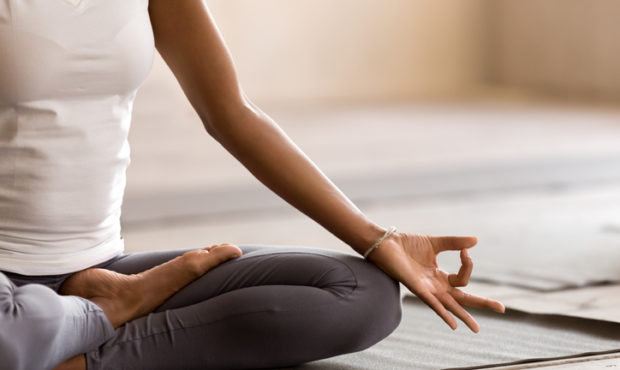
Photo: Getty Images

(CNN) — As the coronavirus situation intensifies, you might be wondering: How can I keep myself healthy?
The answer lies in following the latest guidelines on social distancing, proper handwashing and your local stay-at-home directives.
But there are also ways to strengthen your own immune system. Diet is one of them, and we covered that here in part one of our immunity boosting series.
Yet what you eat is just one factor. Being physically active, meditating and managing stress, and getting adequate sleep help, too. Keep reading to find out why those habits boost your immunity and how you can take advantage of their benefits.
Find time for fitness
Engaging in regular physical activity is a great way to help manage stress and strengthen your immune system. In fact, research shows that “fit individuals” — defined as those who partake in regular physical activity — have a lower incidence of infection compared to inactive and sedentary individuals. What’s more, being physically active may help reduce the risk of chronic diseases that could further weaken your immune system, including cardiovascular disease, diabetes and obesity.
How does exercise help? For one, physical activity helps to flush bacteria out of the lungs, decreasing your chances of getting a cold, flu or other illness. Exercise also reduces levels of the body’s stress hormones, such as adrenaline and cortisol, explained MaryAnn Browning, CEO and founder of Browningsfitness. Lower levels of stress hormones may protect against illness.
“[Exercise] also stimulates the production of endorphins — chemicals in the brain that are the body’s natural painkillers and mood elevators,” Browning said.
For at-home fitness essentials, Browning recommends getting a set of yellow, green and red resistance bands (the colors correspond with varying levels of resistance). “These can be used for back, bicep, triceps, shoulders and leg work,” Browning said.
She also recommends looped bands to go around the calves or thighs, which strengthen the glutes and can help prevent knee and back injuries.
For an at-home cardio workout, Browning recommends jumping jacks, high knees, butt kicks, burpees and switch jumps — during which you’ll jump to turn 180 degrees and then back again — for 15 seconds each. Then repeat the circuit five to 10 times, depending on what you can handle.
And don’t forget about the joy of dancing! My girls and I love blasting our favorite tunes and engaging in impromptu dance parties for a wonderful mood-lifting indoor activity, no equipment required. Try making up fun dance routines, or have someone play DJ and compete in “freeze dance.”
If you are looking for something a bit more structured, there are plenty of online options to choose from. My girls and I have enjoyed the Yoga with Adrienne YouTube channel, which offers free yoga videos. Free on-demand programs are also available at YMCA360.org, and include boot camp, Barre, yoga and low-impact programs for seniors.
Another option is Melissa Wood’s Health Workouts, which can be accessed online or via her app. “You can use light weights or your own body weight, and they’re quick yet super effective. They have been an absolute godsend to me during this time!” said Jamie Plancher, who has a masters in emergency and disaster management and has been “tracking Covid-19 like a hawk.”
“I’m obsessed with Alexia Clark’s workouts,” said Lindsey Schwartz, who is currently homeschooling her children in New York City. “Everyday is something different … she’s the queen of making sure you use as many muscles as possible in a circuit and knows how to keep it interesting.”
While that program has a subscription-based app, you can also find free workouts on Alexia Clark’s Instagram and IGTV.
Meditate
If you haven’t tried mediation, now might be a good time to start. A recent review involving 20 randomized, controlled trials including more than 1,600 people suggested that meditation may help keep our immune system functioning optimally.
A stressful circumstance like what we are experiencing now can negatively affect the immune system, but “a consistent meditation practice can help us better respond to stressful situations,” explained Ellie Burrows Gluck, a Vedic meditation teacher and the founder and CEO of MNDFL, a meditation studio in New York City that also offers live-streamed, at-home practices with meditation experts at MNDFL TV.
“Life is messy, and although meditation isn’t a cure all it can help us to remember to breathe and that we’ll never be able to clean it all up,” Gluck said.
To start meditating, simply bring your full attention to your breath. Sitting with uplifted posture may help, and eyes may be closed or open. When you notice your mind wanders with thoughts like, “What am I going to have for lunch?” come back to your breath without judgment.
Gluck says once you’ve been practicing for a while and have learned how to choose between your breath and your thoughts, you can “apply that same mechanism of choice to [your] response to stressful situations.” Most studies show you need to practice a minimum of 10 minutes a day for 8 to 10 weeks to see the benefits over time, Gluck added.
When meditating, it’s a good idea to aim for consistency when it comes to the style of meditation; the time of day and length of your practice; and your surroundings. You might choose your favorite spot on the couch or a designated corner with a meditation cushion, Gluck advised.
Manage stress
Research dating back over 25 years has revealed that psychological stress increases susceptibility to illness (PDF).
Prolonged or chronic stress can negatively impact the immune system by reducing the body’s ability to defend against viruses and bacteria, explained Allison Forti, licensed clinical mental health counselor and associate director of the Online Master’s in Counseling Program at Wake Forest University.
Additionally, when under stress, it’s not uncommon for people to engage in coping strategies such as drinking excessive alcohol, smoking cigarettes, eating a poor diet, or not getting enough sleep, which can also negatively impact the immune system, Forti added.
To calm our anxiety during this stressful time, first acknowledge that it is okay to feel stressed, anxious and afraid. “It is okay to feel panicked … look for ways to ground yourself in a safe and healthy way that does not cause harm to others,” Forti said.
Maintaining a sense of connection with friends and loved ones is important. Email, call or FaceTime relatives, and have live-streaming cocktail hours with friends, like my husband and I did this past Saturday evening. (Good news: You can responsibly “drink and Zoom.”) And children can benefit from staying connected, too. One of my mom friends recently organized a pajama party via Zoom for my daughter and her friends.
It’s also important to avoid judging your feelings and thoughts, Forti explained. Acknowledge them with a sense of care and appreciation, and release the expectation that things should be normal right now. For example, if you are feeling stressed about not fine-tuning the perfect homeschooling schedule or web-based activities for your children, that’s ok.
“Holding on to rigid patterns of thinking exacerbates stress and anxiety,” Forti said. “Flexibility is required during this time of uncertainty and rapid change.”
In my home, that means working with several interruptions, and allowing my girls to have some access to TikTok on my iPhone, along with some extra cookies.
For those experiencing high levels of stress or anxiety, it may be helpful to be mindful as you consume media updates. “Be aware of how the news affects you. Does it trigger your anxiety? Alternatively, does it make you feel safe because now you can choose what to do with that information?” Forti said. You may wish to ask a friend to keep you informed of major alerts so you do not have to check the media, Forti advised.
Don’t skimp on sleep
Lastly, get your z’s. Not doing so can negatively affect your immune system, according to the National Sleep Foundation.
To keep your immune system strong, the NSF advises aiming for seven to eight hours of sleep each night. But if your mind has been keeping you up or you simply can’t get that amount, fill in the gaps with naps.
According to the NSF, taking two naps that are no longer than 30 minutes each — one in the morning and one in the afternoon — has been shown to help decrease stress and offset the negative effects that sleep deprivation has on the immune system. If that’s not realistic, a 20-minute catnap during a lunch break or before dinner can help too.
The-CNN-Wire
™ & © 2020 Cable News Network, Inc., a WarnerMedia Company. All rights reserved.