
Keeping pets safe during cold winter months
Nov 11, 2025, 6:01 PM

As winter rolls around, the Best Friends Animal Society warns pet owners about the importance of keeping your pets safe and warm during the colder months. (Best Friends Animal Society)
(Best Friends Animal Society)

SALT LAKE CITY — As winter weather approaches, pet lovers brace themselves for social media feeds flooded with puppies in sweaters, cats in hats and matching pet-owner ensembles.
While these images are indeed cute, they belie an important aspect of winter preparation for four-legged friends: when the temperature drops, danger rises. Pets can quickly develop hypothermia or even frostbite in subzero temperatures.
Best Friends Animal Society, an animal welfare organization dedicated to saving the lives of dogs and cats in America’s shelters, warned that freezing temperatures can be dangerous to family pets.
“With frigid weather settling in across much of the country, Best Friends Animal Society is sharing tips to help keep pets safe,” said Erinn O’Connor, public relations strategist for Best Friends Animal Society.
Protecting pets: Sweater weather
According to Best Friends Animal Society, ears, paws and tails are most at risk in the cold.
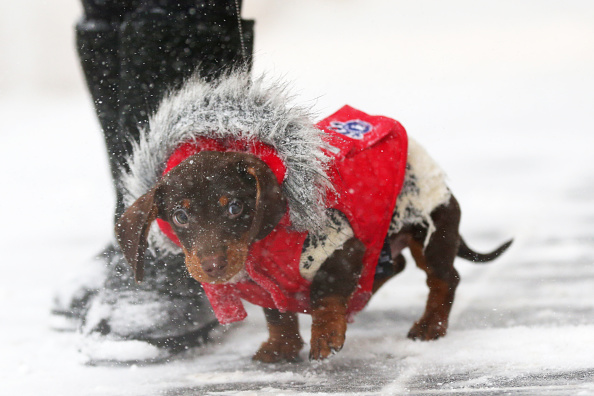
Cold weather impacts smaller animals, too. Owners can dress their friends in sweaters to stay warm. (Maddie Meyer, Getty Images)
Animals should be kept out of the freezing temperatures as much as possible, with owners limiting outdoor time to quick walks and bathroom breaks.
If your pet begins whining, lifting their paws or slowing down on walks, owners should bring their furry friends indoors.
Protecting pets: Paws and claws
Many winter weather chemicals can be hazardous to pets. Antifreeze is extremely toxic to pets if ingested.
Additionally, salt and ice-melting chemicals can irritate paw pads.
Best Friends Animal Society recommends using pet-safe ice melt and wiping down paws after walks. For additional protection, pet owners can invest in booties, with a bonus of additional social media content as their pets adjust to their new footwear.
Protecting pets: Leash up in the snow
With a blanket of snow covering the ground, pets may become confused at the different terrain, potentially becoming lost in the snow. The snow may also block scent trails that pets may rely on for navigation.
Keep your pets on leashes and double-check that microchip and ID tags are current. That way, even if pets do become lost in the snow, vets and shelters can help reunite missing animals with their owners.
Protecting pets: Check your engine
This tip is geared towards animals that may be seeking shelter under or near cars.
Car engines can provide a warm, temporary shelter for outdoor animals, especially cats.
Best Friends Animal Society recommends tapping car hoods, looking underneath axles and honking the horn before starting cars to ensure no animals are hiding near the warm engine block.