Psychiatrist explains radicalization, and how to potentially stop someone from becoming a shooter
Sep 12, 2025, 6:43 PM | Updated: 7:01 pm

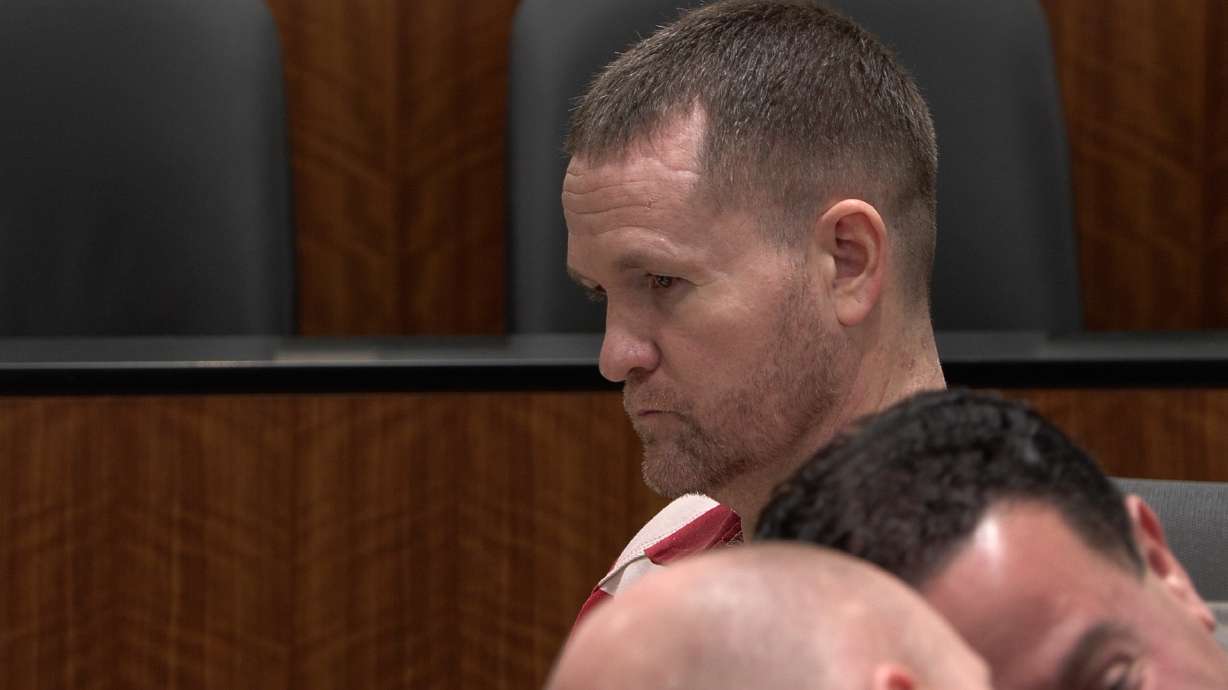
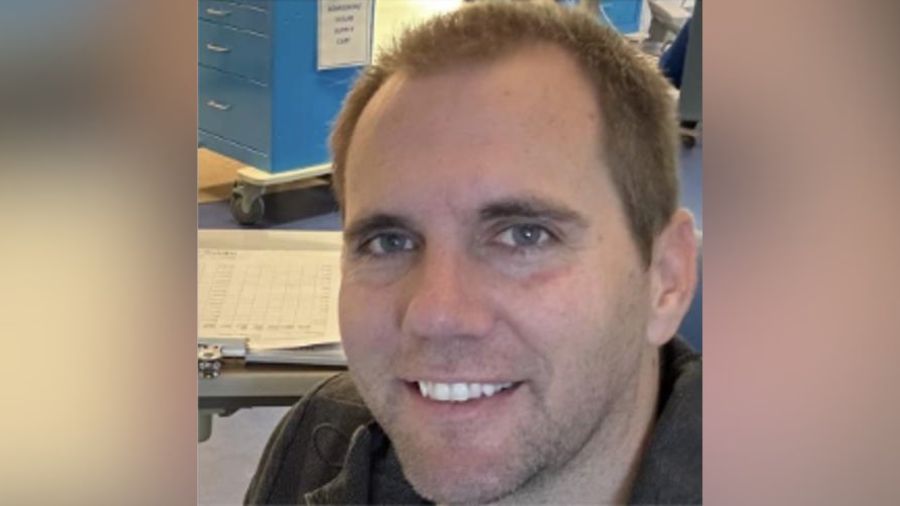
This undated combination of images provided provided by the Federal Bureau of Investigation shows a person of interest in connection with the fatal shooting of Charlie Kirk at Utah Valley University on Wednesday, Sept. 10, 2025, in Orem, Utah. A psychiatrist is explaining how young people become radicalized, and how to prevent them from becoming a shooter, after Gov. Spencer Cox announced the capture of Charlie Kirk's suspected killer on Friday. (Federal Bureau of Investigation via AP)
(Federal Bureau of Investigation via AP)
SALT LAKE CITY — A psychiatrist is explaining how young people become radicalized, and how to prevent them from becoming a shooter after Gov. Spencer Cox announced the capture of Charlie Kirk’s suspected killer on Friday.
Dr. Hans Watson, owner of Dynamic Psychiatry and Wellness has been a forensic psychiatrist and has evaluated people for court. He spoke with Inside Sources on Friday about how shooters are evaluated.
“The evaluation is going to look at two different things,” Watson said. “And that is, did they understand right and wrong at the time of the alleged crime? We call that competency,” Watson said. “Then we’ll ask if they have the capacity to aid in their own defense when they’re going to trial.'”
According to Watson, most shooters are more likely to have thought out what they’re going to do. He said they don’t just “snap” and commit the crime.
“If you understand the four-step process that creates these individuals, you can do something about it because if you intervene at any one of these four steps, you can prevent it from happening.”
Step 1: Understanding your role in life
Watson says a person who is being evaluated is likely to be raised in an atmosphere where they don’t understand appropriate roles.
That means the person doesn’t understand levels of authority, Watson explained. Within a family, for example, the person being evaluated may not understand the distinction between parents, peers and children.
“There is confusion in the home where you were raised, no understanding that parents have different authority than children,” Watson said. “Children are peers to each other. One doesn’t get to be in charge of the other.”
Watson added that the outlook on roles also applies outside of the home in areas like school and law enforcement.
Step 2: Working through challenges
Watson says the second step involves the evaluated person learning how to recognize challenges and how to work through them.
“Once you confuse that authority, generally that allows the child to not be able or not learn to deal with adversity or challenges in life,” Watson said, “this gets really difficult because a lot of our learning growing up comes when we are challenged.”
According to Watson, a lot of what people learn growing up comes when they’re challenged.
“That’s when we’re forced to look at other perspectives, that’s when we’re forced learn how to compromise and engage in healthy conflict resolution skills, that’s when we learn that consequences matter,” Watson said.
Step 3: An imaginary world
“One of the big things that comes with dealing with challenges is the ability to self-reflect,” Watson said. “That is going to lead us to step three …”
In order to make sense of the world, where the evaluated person is not willing to self-reflect and see their part in things, they create a worldview that is based on imaginary attacks by outside people or things.
“If you start saying, ‘I am being attacked by outside beings and people,’ that is where you now start entering the danger zone for becoming radicalized because you have to create this imaginary narrative of how you’re struggles in life are due to other people wronging you,” Watson said.
When displacing the focus off themselves, the evaluated person can sometimes take emotions over their patriotism and country as their own identity.
By the time step four comes into play, Watson said the evaluated person will try to stop others from introducing ideas that interfere with the existence of their imaginary world.
Step 4: Doing something drastic
The last step happens when a person doesn’t want to be forgotten. So, Watson said, they do something drastic.
“(A shooter’s) goal, unconsciously, many of them, is to not be forgotten,” Watson said. “And so that fear of being forgotten is step four. They’ll do something where they can then be famous, as the shooter … or ‘the person who did this. They’re never going to forget me.'”
Watson said he believes the shooter at Utah Valley University may have written words onto the shell casings used at the shooting to ensure they would be remembered by the public.
Interrupting the cycle
Watson said the warning signs leading up to step four may include a person who is not able to connect and recognize social norms. A person can interrupt the four step cycle by having a professional teach the person in question that it’s safe to self-reflect.
Other treatments for the evaluated person include learning social norms in a safe place, like a therapist’s office, where Watson said the person can then learn to better self-reflect.
Parents and friends can help by making sure authority and roles are understood in their lives, which Watson said can help someone to understand social connection better.
Related:
- Political activist Charlie Kirk shot, killed at UVU during ‘Prove Me Wrong’ tour
- ‘We got him,’: Gov. Cox announces capture of suspected shooter in Charlie Kirk’s killing