Noriega: Is it wrong to be a price-gouging ticket scalper?
Apr 3, 2025, 9:00 AM
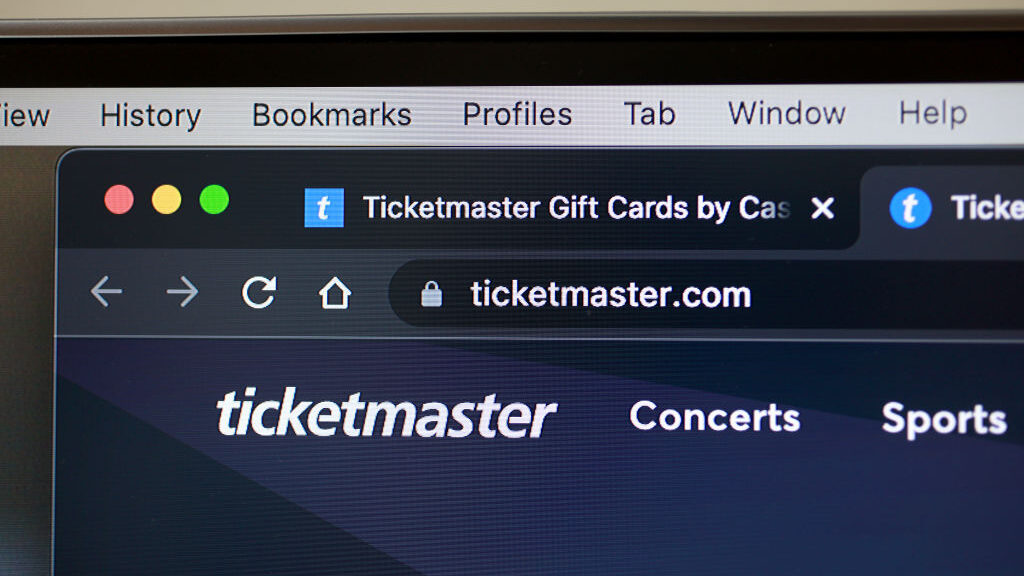
A Ticketmaster website is shown on a computer screen on November 18, 2022 in Miami, Florida.(Joe Raedle/Getty Images)
(Joe Raedle/Getty Images)
Editor’s note: This is an editorial piece. An editorial, like a news article, is based on fact but also shares opinions. The opinions expressed here are solely those of the author and are not associated with our newsroom.
SALT LAKE CITY — President Donald Trump signed an executive order with the hope and dream of ending ticket price gouging for concerts, games and the like.
The question I have is, is price gouging wrong?
During the pandemic we learned that $40 toilet paper is wrong. But if I buy car for $10,000, clean it up, give it a wax, and I’m able to sell if for $20,000, is that price gouging or is that smart business?
Who is going to determine the appropriate amount of profit that a company can make?
How about concert tickets?
Read more: Noriega: Torpedo bats and tariffs, good ideas that haven’t been tried?
“Regarding ticket sales and scalping and all of the gouging you’ve been reading about, that’s gotten worse and worse with time, I checked it out and it’s a big problem,” Trump said.
The executive order directs the Federal Trade Commission to work with Attorney General Pam Bondi to ensure competition laws are enforced in entertainment.
Trump signed this executive order with musician Kid Rock.
“Anyone who has bought a ticket in the last 20 years knows it’s a conundrum. You buy a ticket for $100, but by the time you check out, it’s $170,” Rock said.
Rock is referencing junk fees, something that the Biden administration tackled and won. Anecdotally, I’ve found there to be much more transparency when purchasing tickets. Trump’s executive order will continue this trend.
Read more: Noriega: ‘The Assassin’s Game,’ aiming to let kids be kids without serious injury
Kid Rock said the problem isn’t just with transparency of fees and tickets but that scalpers use computer bots.
“You know, they (scalpers) come in and get all the good tickets to your favorite shows that you want to go to, then they’re re-listed immediately for, sometimes, 400-500% markup.”
This markup isn’t going into the artists’ or even the promoters’ pockets; it’s going to the scalpers with the ticket apps collecting fees all along the way.
The scalpers have figured out a way, through technology, to buy tickets faster and easier than the average concertgoer. They beat us to the punch and then charge us a premium, but does that make it illegal?
Some artists, like Billie Eilish, use an option on Ticketmaster and other resale sites called “Face Value Exchange,” which allows somebody to sell a ticket they can’t use, but for the original face value of the ticket. This prevents any price gouging.
Perhaps the answer doesn’t lie with the White House, the attorney general, or the FTC, but with the artist and whether or not they click a simple box named “Face Value Exchange.”