‘Our Power, Our Planet’: Celebrating Earth Day in 2026
Apr 22, 2026, 12:12 PM | Updated: 12:55 pm
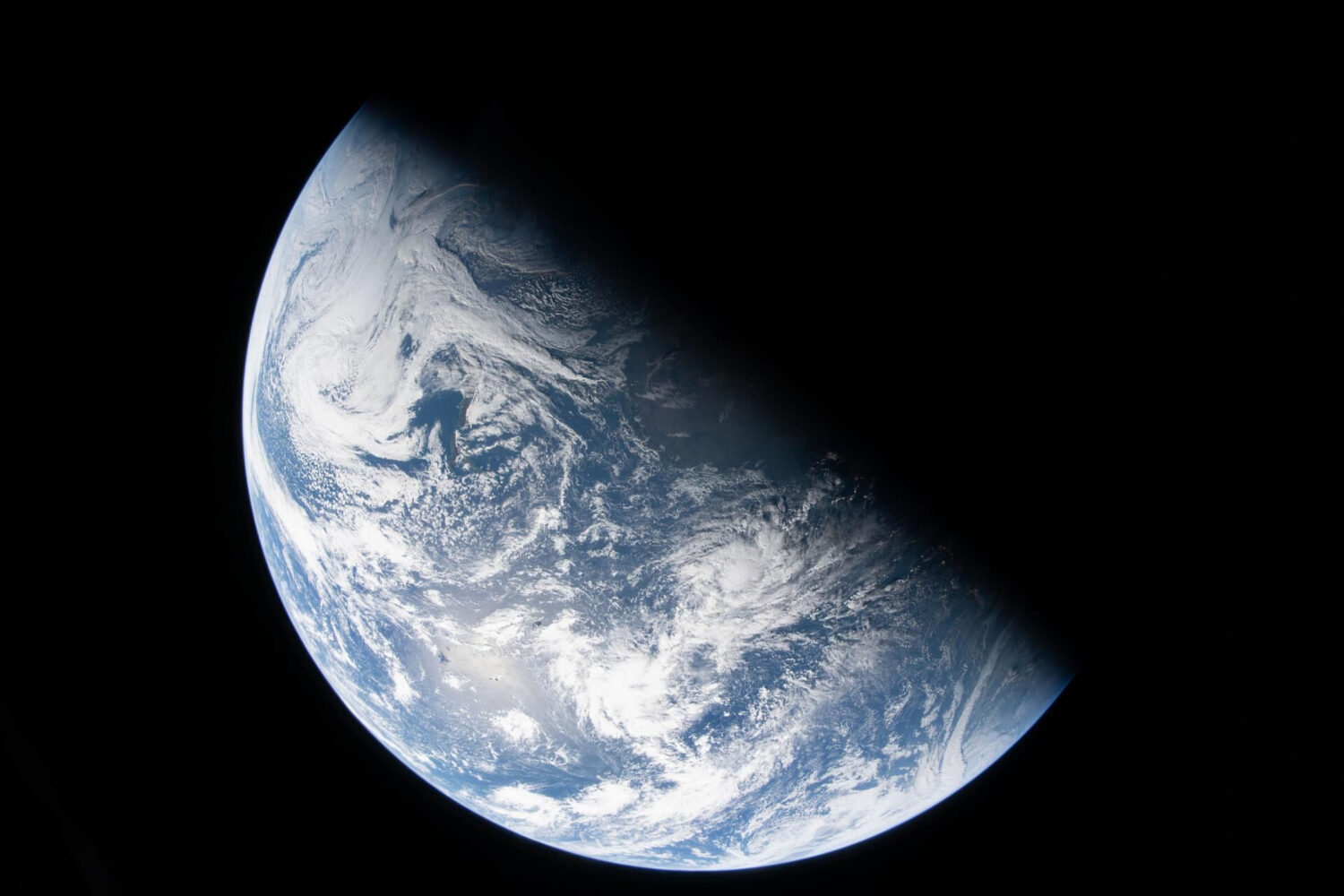
This image from video provided by NASA shows a view of earth taken by NASA astronaut and Artemis II Commander Reid Wiseman from one of the Orion spacecraft's four windows after completing the translunar injection burn, Thursday, April 2, 2026. (NASA via AP)
(NASA via AP)
SALT LAKE CITY — It’s time to reflect on life found in the oceans, on land and even life flying in the sky as Earth Day is celebrated on Wednesday.
The official Earth Day 2026 theme, “Our Power, Our Planet,” united the world while people worked to make a difference in how the Earth is taken care of.
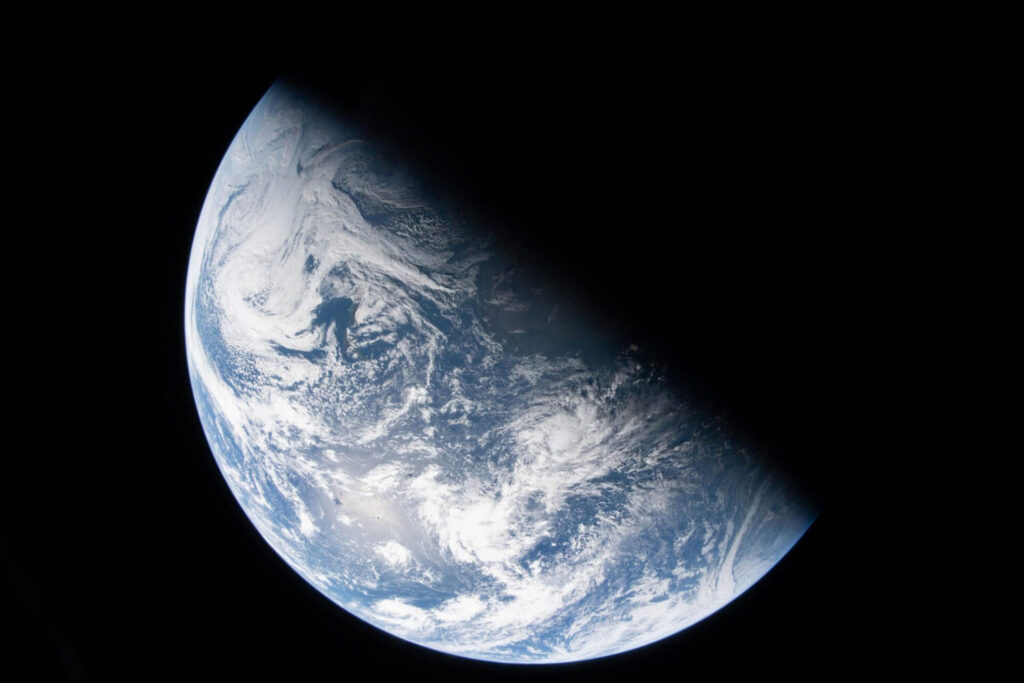
This image from video provided by NASA shows a view of earth taken by NASA astronaut and Artemis II Commander Reid Wiseman from one of the Orion spacecraft’s four windows after completing the translunar injection burn, Thursday, April 2, 2026. (NASA via AP)
Using tech to help the planet
Although most people look at technology as bad for the planet, there are some ways it can help the Earth and the many creatures living there.
The Utah Department of Natural Resources said people can help plants, animals and even insects by recording sightings using an app called iNaturalist. The information collected from the app can then be used in a state database.
“Community science observations provide very useful data that can be used to help us monitor native animals,” Utah Division of Wildlife Resources Native Herpetology Coordinator Alyssa Hoekstra said. “Reptiles and amphibians, in particular, are usually only active at certain times of the day and year. Records added to specific Utah groups in iNaturalist can help biologists gather information over a broad period of time and over a large geographic range. This helps us to capture data points that could have otherwise been missed.”
Another app people can use to help wildlife is eBird. DNR said people can use this app to record bird sightings all year long.
“These reports are extremely valuable in helping biologists and other researchers know where — and when — birds are migrating and how their populations are doing,” DNR said. “People can also participate in important bird projects and surveys throughout the year, such as the North American Breeding Bird Survey, the Audubon Christmas Bird Count and Project FeederWatch.”
Installing screens in windows can help birds to not crash into windows. In addition, communities can help birds by turning off outdoor lights at night when they are more likely to migrate.
Plastics and the planet
According to earthday.org, “global plastics have reached an estimated 460 million metric tons in recent years.”
Along with the high amount of plastics being produced throughout the world, DNR said people can impact the planet and its animals through littering.
“Litter and trash can harm wildlife in several ways,” DNR said. “If animals eat paper, plastic or food pieces, it can cause digestive issues, which can potentially be fatal.”
Food can also lure animals out of the wild and into places they shouldn’t be, like roadways and campsites, according to DNR.
Earthday.org said at least 1 million plastic bottles are purchased worldwide every minute, and 5 trillion plastic bags are used in a year. While it can be difficult to not use plastics in a world where it’s extremely common, those who want to use less plastic can practice using reusable utensils and reusable bags.
Helping the Great Salt Lake after Earth Day
About 71% of the Earth is covered in water, according to the U.S. Geological Survey. The amount of water located in Utah is particularly important, especially for one area: the Great Salt Lake.
After the state experienced a record low amount of snow over the winter, DNR explained how important it is for Utahns to reduce water usage.
“The majority of Utah’s residential water supply comes from snowpack that is stored in the same reservoirs where Utahns go fishing and boating.,” DNR said. “Conserving that water supply — especially during drought — is essential to decrease impacts to all water users and for fish and wildlife, as well.”
A few ways to reduce water outdoors can include delaying watering lawns until after May 15, replacing grass with plants that require less water and turning sprinklers off during a storm.
Reducing shower times, turning the faucet off while brushing teeth, washing food and while shaving can help save water when indoors.
Other stories related to the Earth:
There’s a place on Earth where nothing lives, not even germs
Artemis II’s moonbound astronauts capture Earth’s brilliant blue beauty as they leave it behind