FBI Confidential: Evidence Response Team
Jun 21, 2018, 6:02 AM | Updated: Jun 22, 2018, 4:07 pm
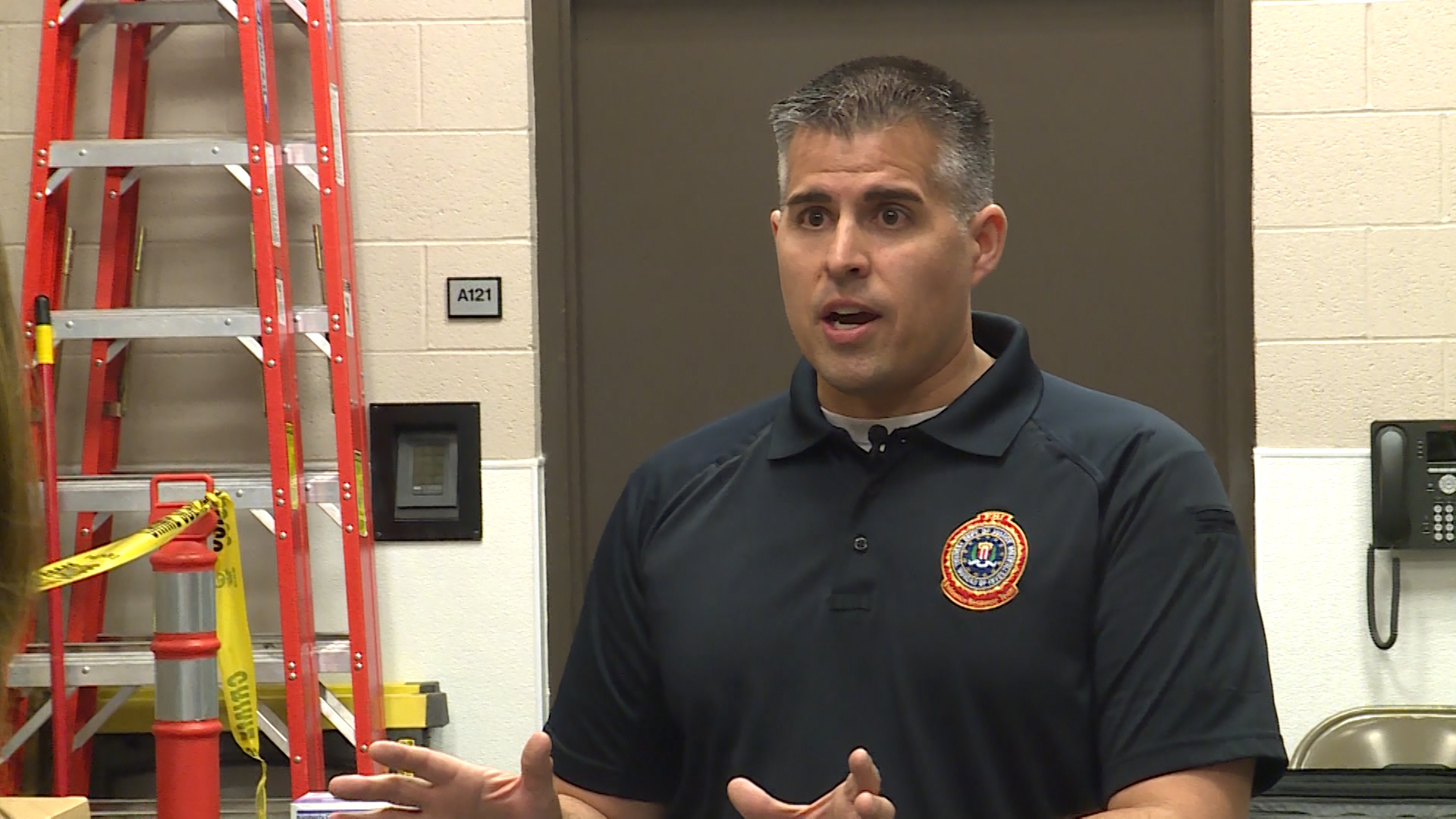
SALT LAKE CITY — Real-life crime scene investigation is nothing like what you see on TV, according to the man in charge of the FBI Salt Lake City Division’s Evidence Response Team.
“The Evidence Response Team is basically CSI,” says Special Agent Steve Daniels. “We’ve got at least one team of eight people in all 56 of our field offices, spread throughout the nation.”
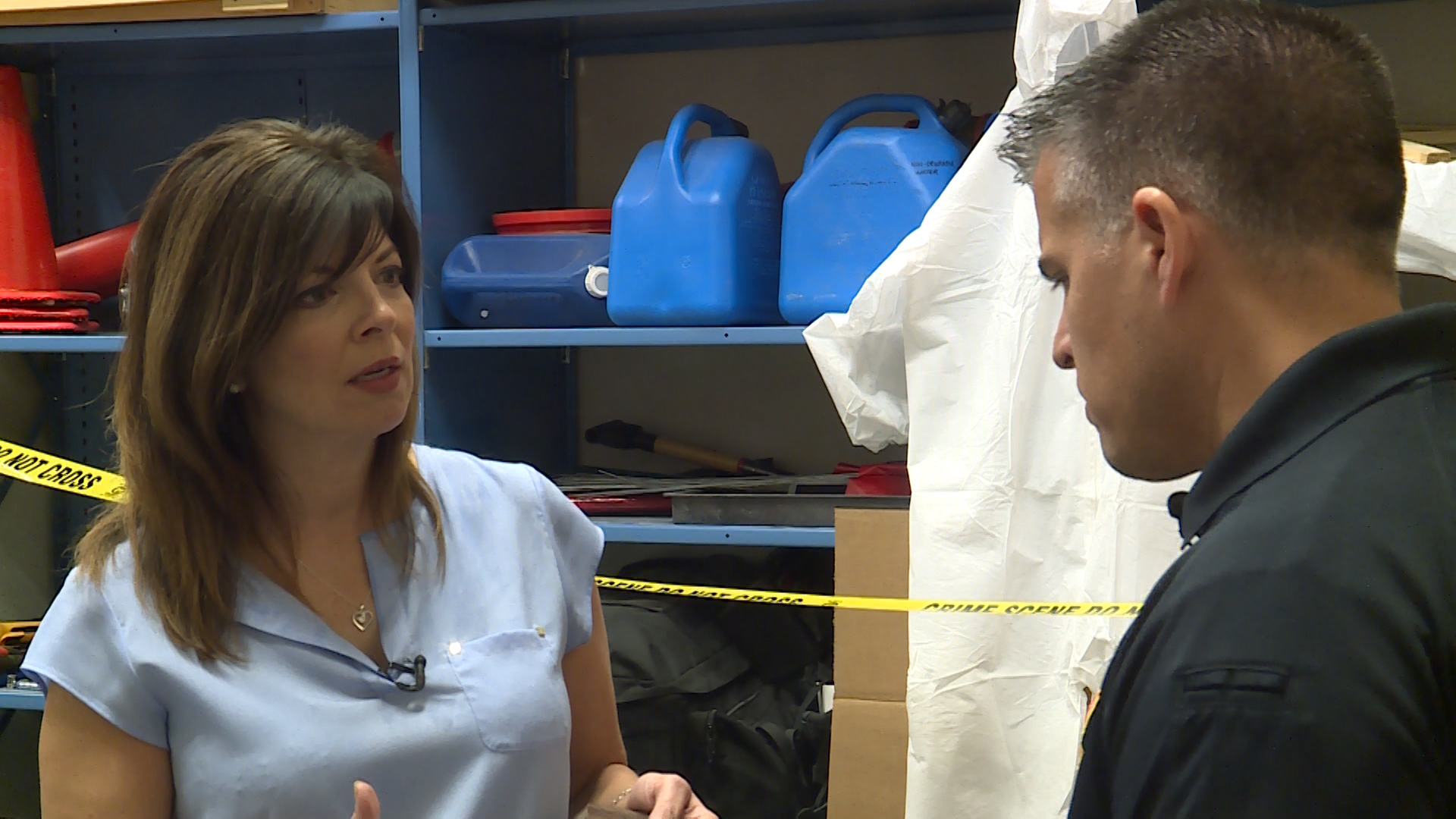 Where it differs from what you see on CSI and other television shows is speed. You might see the same detective process a crime scene, swab DNA on the spot and get instant results. Daniels says the reality is far more deliberate and slow.
“It’s kind of a methodical, slow sometimes, process – where we can’t rush, we can’t hurry,” he explains.
Part of Daniels’ job is to collect evidence so prosecutors can build a case against a suspected criminal. For example, his team’s work was instrumental in tying the suspects in the kidnapping and murder of Utah Transit Authority employee Kay Ricks to the multiple crime scenes that were involved.
“[The suspects] took him in his own UTA truck,” Daniels recalls, discussing how Ricks’ body and his stolen truck were recovered from separate remote locations in Wyoming. “Instead of us going to the truck, and having to deal with the truck in this remote area, I had them drive the truck here and put it in this bay that we’re in.”
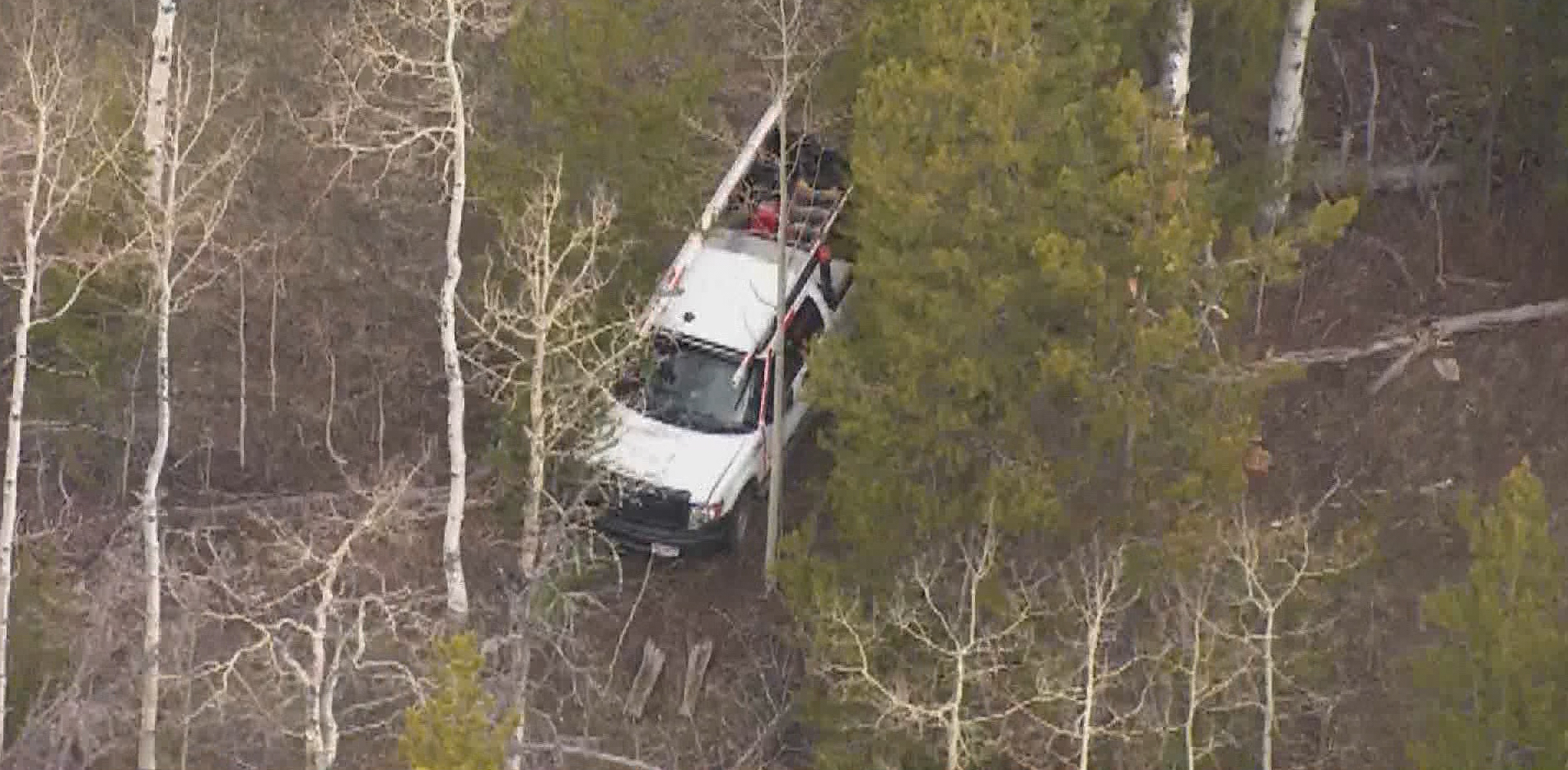 With the truck now in the same location as Daniels’ team and high tech tools, they were able to recover evidence that would have been harder to get in the field.
“I think we ended up finding an Arctic Circle receipt, which, yes, they did go to an Arctic Circle and I think they found video from that later. So just little things like that, that just match up with this case,” helped build a prosecution, Daniels says. “I mean, that’s critical. Now we know at this timeline, these guys were together. Where is that in relation to where the body was found? …It just starts adding all of these different leads for the case agent.”
Daniels’ team was able to get a fingerprint from the front of the truck, where it appeared Dereck James and Flint Harrison had opened the hood to try to disable the vehicle. Another fingerprint was found inside the door handle of the truck, showing that the Harrisons had been inside the cab. A food bowl left on the dash had a spoon in it that contained one of the suspects’ DNA. Finally, a paint can left in the back of the truck helped tie the multiple scenes together.
 “They used this fluorescent green paint to try to spray, cover up the UTA insignia on the side doors. And on that can, we found a fingerprint for one of the suspects,” Daniels says. “And then what was interesting about that was the Wyoming investigators, they processed the body site. The body dump site. And they happened to spot on – some kind of twig or branch or something, they found this little trace of fluorescent paint, and then that ended up matching that paint that was from the paint can.”
Dereck James “DJ” Harrison pleaded guilty in 2017 as part of a deal that took the death penalty off the table. He is serving a sentence of life without the possibility of parole.
Daniels’ team also helps from time to time in large crime scenes even outside of the FBI Salt Lake City Division’s three-state area. They were called in to help with the recovery efforts after the terrorist attacks of September 11, 2001, in New York City. Because the FBI was heavily involved in securing the Salt Lake 2002 Olympics, Daniels and the team from this region who assisted in the post-9/11 recovery efforts did not transfer into that area until April of 2002, several months after the terror attacks.
“By the time we got there, we were just doing a human remains recovery effort, going through that debris, looking for any kind of human remains, any kind of IDs, rings, anything that might be a personal affect, personal item to those victims, to their families, so they could eventually try to get that back,” Daniels says.
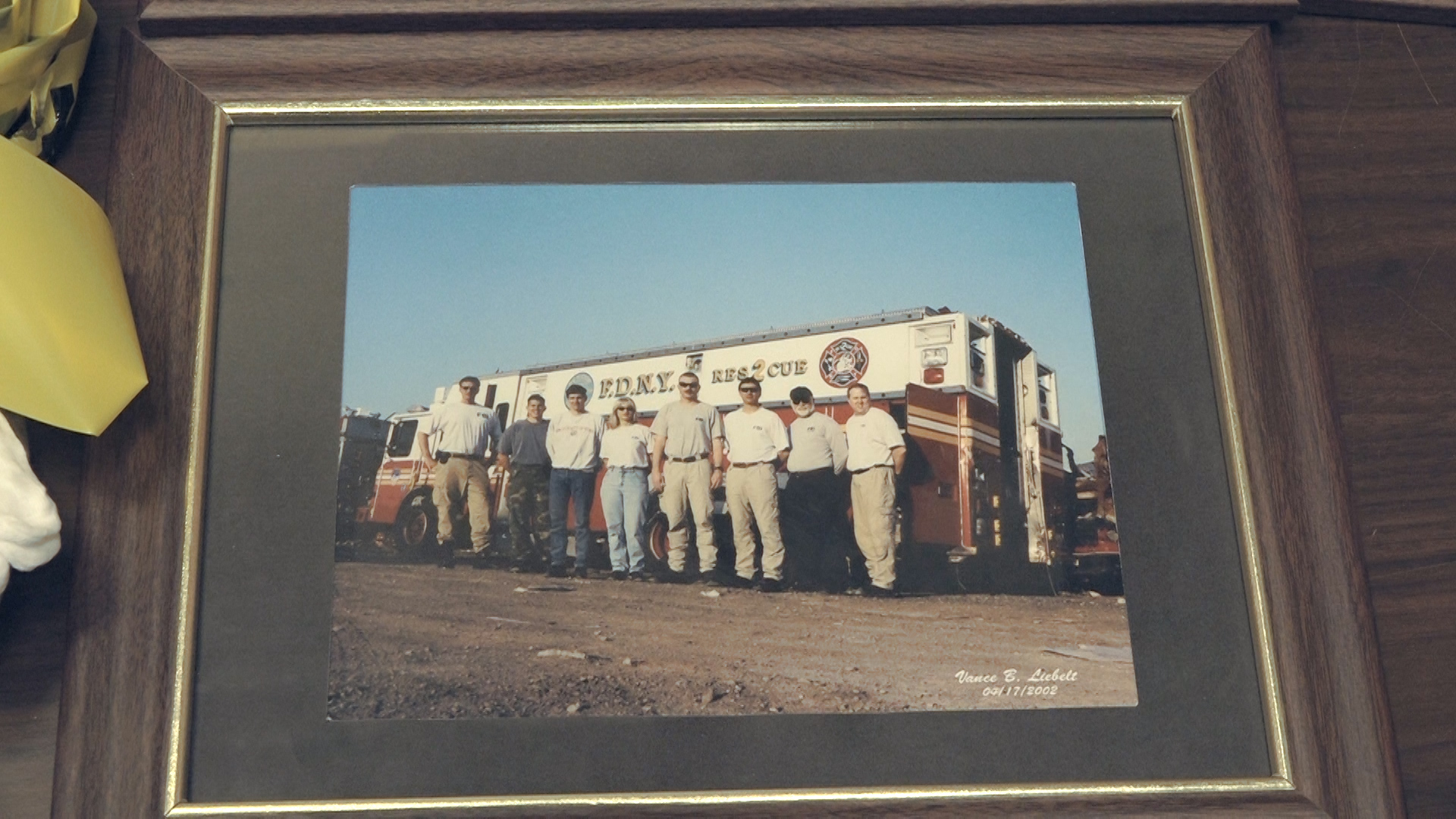
Members of the FBI Salt Lake City Division’s Evidence Response Team rotated in to the New York area in April 2002 to help with the recovery of human remains after the terrorist attacks of September 11, 2001.
He says the largest fragment of human remains anyone on his team found while they were there was a partial human jawbone.
More recently, Daniels’ team was called to help process the crime scene after the Harvest 91 Festival shooting in Las Vegas.
Sometimes, the work leads to justice for victims of crimes. But other times, it’s more about closure and answers for those who want to know what happened to their loved ones — and Daniels says that’s what he felt like his team was able to accomplish in Las Vegas and New York, where the suspects who might have been prosecuted died before that could happen.
“To me, it was like, I’d want to know where my family member was. I’d want to know — you know, I’d want to have some kind of diagram or map that showed maybe what happened,” Daniels says.