
Living Faith In Fear: Understanding traditional violence and its impact on peaceful worship
Mar 1, 2018, 7:56 AM | Updated: Mar 2, 2018, 9:03 am
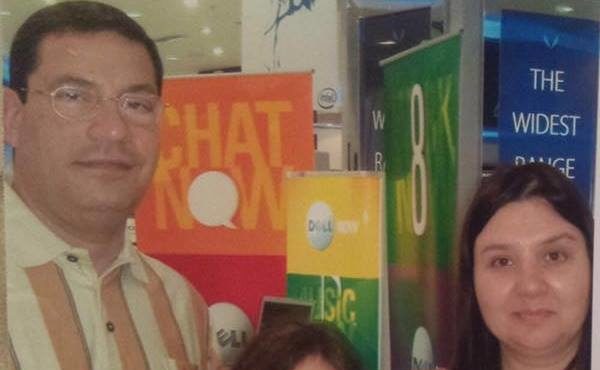
Picture of the Ismails, 2007, just arrived in Dubai. Picture credit: Nora Ismail

DUBAI — Called the city of the future, Dubai belongs to one of the most progressive countries in the Middle East. Applauded for its tolerance of non-Muslim religions, Dubai doesn’t score quite as well with humanitarian groups that monitor citizen’s freedom to change religion.
Nora Ismail understands those consequences intimately.
“If a Muslim converts and leaves Islam, especially for Christianity, it’s considered apostasy,” Ismail said. “For that, you will be killed.”
It sounds extreme but is technically legal. A 2013 report from the International Humanist and Ethical Union listed the United Arab Emirates among 13 countries that still can still legally punish apostasy, or atheism, with the death penalty.
The Library of Congress explains that the United Arab Emirates operates under sharia law, but there’s no official record of anyone actually using the death penalty to punish apostasy. Instead, Brett G. Sharffs, Director of the Brigham Young Law School’s International Center for Law and Religion Studies, explained that sometimes communities will step up and use their own methods to punish apostates.
“Today in the Christian world, we largely think apostasy is a matter for God to work out and that will be something that happens in the afterlife, at the final judgment for example,” Sharffs said. “Islam will look within its own tradition and its own resources to find an interpretation of what apostasy means and what the consequences of apostasy are.”
For Nora Ismail’s family, that included blacklisting their professional work in the community and blocking basic needs like food and medical care. Born a Muslim in Egypt, converted to the LDS faith in Utah, in Dubai, Ismail says her father is now bedridden and dying, unable to get care and stuck in Dubai because he can’t get a visa back to the U.S.
You can listen to more of her story below:
“They just left us to die here,” Ismail said. “Nobody is going to help us.”
From a western perspective, this story is extreme, but Sharffs said in the Muslim faith tradition rejecting your religion means more than your relationship with God.
“The group you belong to is your nationality, your ethnicity, your tribe. So apostasy would really be viewed as a form of wholesale rejection of tribal identity and family identity. It would be viewed as a tremendous act of disloyalty.”
To put in it perspective Sharffs compared it to treason here in the U.S.
“It’s one of the few crimes for which we still put people to death, or at least put them in prison for very long terms.”
Consider Bowe Bergdahl, the Idaho soldier rescued from the Taliban in 2014. For weeks everyone hung on his story, desperate for a happy ending. When it turned out he was captured after deserting his post, national sympathy turned to judgment and anger. In 2015, President Trump called the man a traitor.
Another group is victimized by these extreme reactions — Muslims who want to worship in peace but are labeled by the actions of other people who share their faith. Shuaib Din, Imam of the Utah Islamic Center, said most Muslims here have respect for others’ beliefs, saying the community backlash Ismail faced is not common.
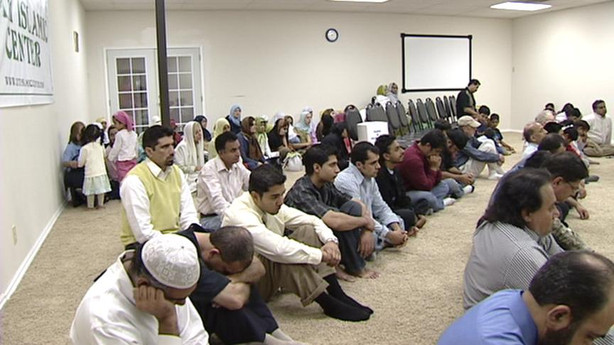
“[Apostasy] would be frowned upon, but there wouldn’t be any sanctions and the person wouldn’t be ostracized,” Din explained. “It would be more like the LDS community, they’d be like, ‘Oh stay away from this family. They got one who went to the other side. We don’t want our children to get any funny ideas.’ It would be more like that.”
If anything, Din said western Muslims understand the fear and anger targeting minority religions.
Din said no part of their religious text, the Quran, addresses consequences for apostasy but it does address equality
“The Prophet Muhammad said you are all the children of Adam,” Din said. “The Quran speaks of all the different colors and the different languages as a sign of God.”
It is that tolerant perspective that Nora is trying to return to now – a country where her family can practice their religion and their beliefs in safety.
Rita Tyrell, the woman who served as Ismail’s foster Mom for a brief time when the girl fled to Utah in her teens, had her own plea to add.
“Bring them home and get them freedom: freedom to choose what they want to be, what they want to belong to, what they want to do.”
Nora’s story isn’t over. Tomorrow Brianna Bodily continues our series with a look at the balance between protecting religious freedom and protecting citizens who are targeted by religious groups.






