UTAH

Lower-income Americans hit hardest by gas price spike, widening inequalities, study finds

May 6, 2026, 12:08 PM | Updated: 3:16 pm
The per-gallon prices for regular unleaded and diesel fuel are displayed on a sign outside a Murphy...

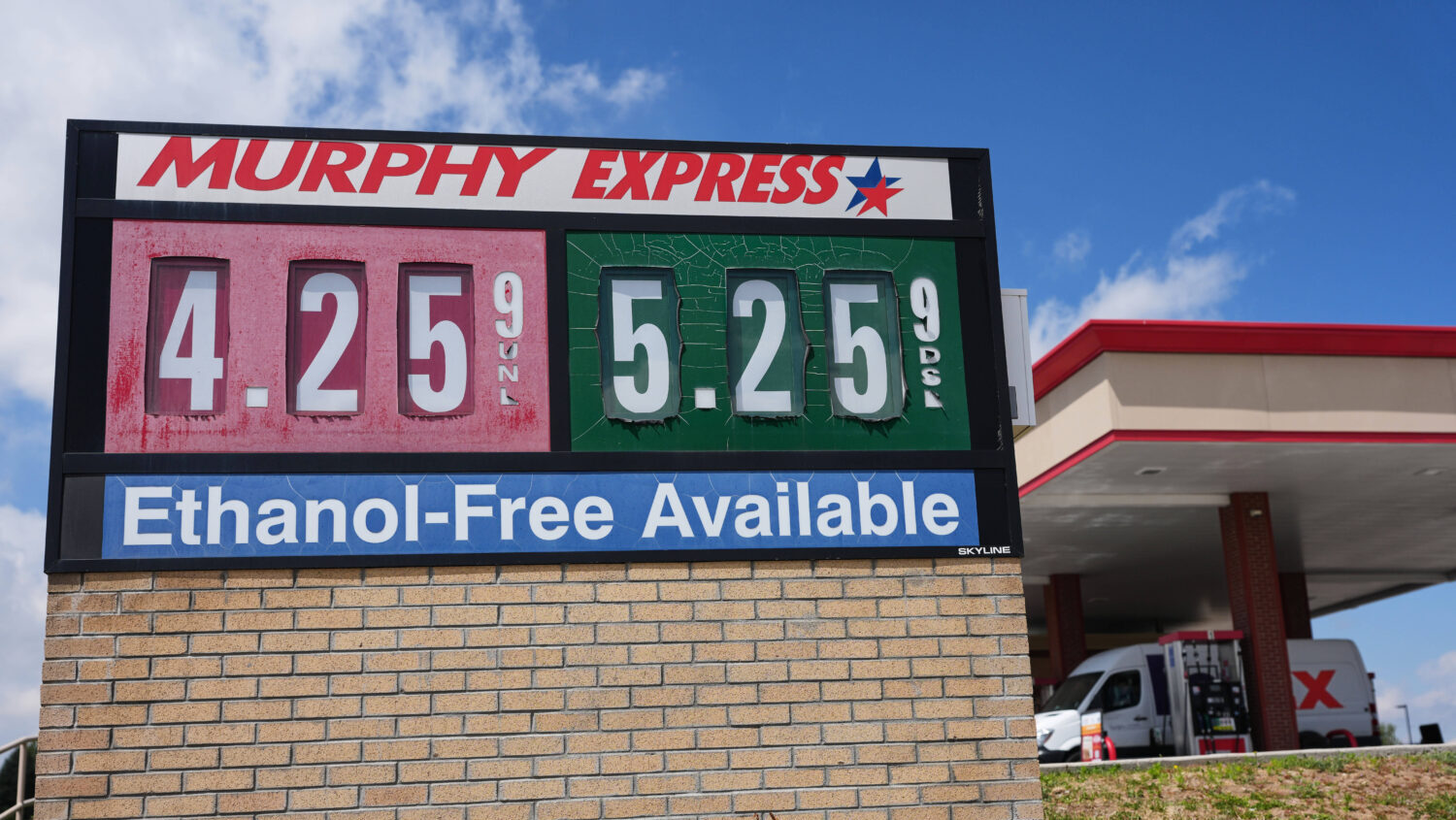
The per-gallon prices for regular unleaded and diesel fuel are displayed on a sign outside a Murphy Express gasoline station, Tuesday, April 28, 2026, in Centennial, Colo. (AP Photo, David Zalubowski)

(AP Photo, David Zalubowski)

WASHINGTON (AP) — Lower-income Americans sharply reduced their gas consumption in the month following the Iran war, yet spiking prices still forced them to spend more at the pump, worsening the economy’s economic disparities, new research released Wednesday showed.

Higher-income households, meanwhile, ratcheted up their spending on gas while barely reducing their consumption, according to a report from the Federal Reserve Bank of New York. Middle-income households fell in-between.

The gaps between how each group reacted were larger than in 2022, when a similar gas-price shock occurred after the Russian invasion of Ukraine, the report found. Higher-income households cut back more on their gas consumption four years ago than in March, while poorer households likely benefited more from government stimulus programs in 2022. Wealthier households have seen significant increases in the value of their stock and real estate holdings since then as well.

The figures suggest the gas-price surge has worsened what many economists call the “K-shaped economy.” The K-shape label refers to upper-income Americans continuing to do well while lower-income households fall behind. The disparate outcomes can help explain the generally gloomy attitude most Americans have toward the economy even as headline figures, such as the unemployment rate and economic growth, remain mostly solid.

“We find that households had very different experiences with gasoline spending,” researchers at the New York Fed wrote. “With the sharp increases in gasoline prices in March, a K-shaped pattern in gasoline consumption emerged—showing faster consumption growth for high income households relative to low-income households.”

The Iran war began Feb. 28, and by the end of March gas prices had risen about 25%, according to government consumer price data. Overall gas consumption, according to the New York Fed, fell 3% that month. As of Tuesday, gas prices have leapt 50% since the war began.

Poorer households, defined as those earning less than $40,000, cut their gas consumption by 7%, the report found, but still spent 12% more on gas in March. Higher-income households, defined as those earning $125,000 a year or above, lifted their spending on gas 19% in March, while reducing their overall consumption of gas just 1%. The report didn’t specify the middle-income figures.

The figures suggest lower-income Americans have cut back on driving, perhaps by carpooling, taking public transportation, or combining errands into fewer trips, while richer Americans have had to make few, if any, changes.

The New York Fed report estimates that total spending at gas stations jumped 15% in March from the previous month. If sustained, that extra spending on gas will siphon money away from other areas, reducing overall inflation-adjusted spending and slowing the economy. So far, there are only limited signs that is happening. Americans do spend less on gas than in previous decades as cars have become more efficient.

Consumer spending, adjusted for price changes, ticked up 0.2% in March, slightly below February’s 0.3% gain, the government said last week.

Still, there is evidence that for many lower-income people, the spike in gas prices is a big drag on their finances. A separate report from the Bank of America Institute, released last week, found that among the poorest one-third of households, one-tenth now spend 10% of their incomes on gas. The figure is far above the average for higher-income households, who spend just 2.7% of their incomes on gas.

Data from the Institute, which compiles reports from the anonymous accounts of its customers, also showed that more expensive gas has pulled some spending away from discretionary items, defined as those outside groceries, gas, and utilities. The annual growth in poorer households’ discretionary spending slowed in March from February, while it rose for middle- and upper-income households.


We want to hear from you.

Have a story idea or tip? Send it to the KSL NewsRadio team here.

Utah

Families showed up with diapers and plenty of energy to give on Friday with donation that will go t...

Madi Vollmer, KSL

Utah families donate diapers, tour new homes for people experiencing homelessness

Families showed up with diapers and energy on Friday with donations that will go to families across Utah through the Utah Diaper Bank.

7 hours ago

The convicted ringleader of a "sprawling" yearslong check fraud scheme that totaled more than $1.7 ...

Cassidy Wixom, KSL

Ringleader of ‘sprawling’ check fraud scheme handed 9 years in prison

The convicted ringleader of a "sprawling" yearslong check fraud scheme that totaled more than $1.7 million was sentenced last month to nine years in federal prison.

8 hours ago

For some kids, the hardest part of going back to school is managing the emotions that a new year br...

Emma Benson, KSL

Butterflies or serious struggles? Gauging your student’s mental health on back-to-school week

For some kids, the hardest part of going back to school isn't finding the right supplies, it's managing the emotions that a new year brings.

13 hours ago

A look one year after a devastating fire burned down five businesses on Salt Lake City's MainStreet...

Annette Campbell, KSL

One year later: Main Street businesses rebuilding after devastating downtown Salt Lake City fire

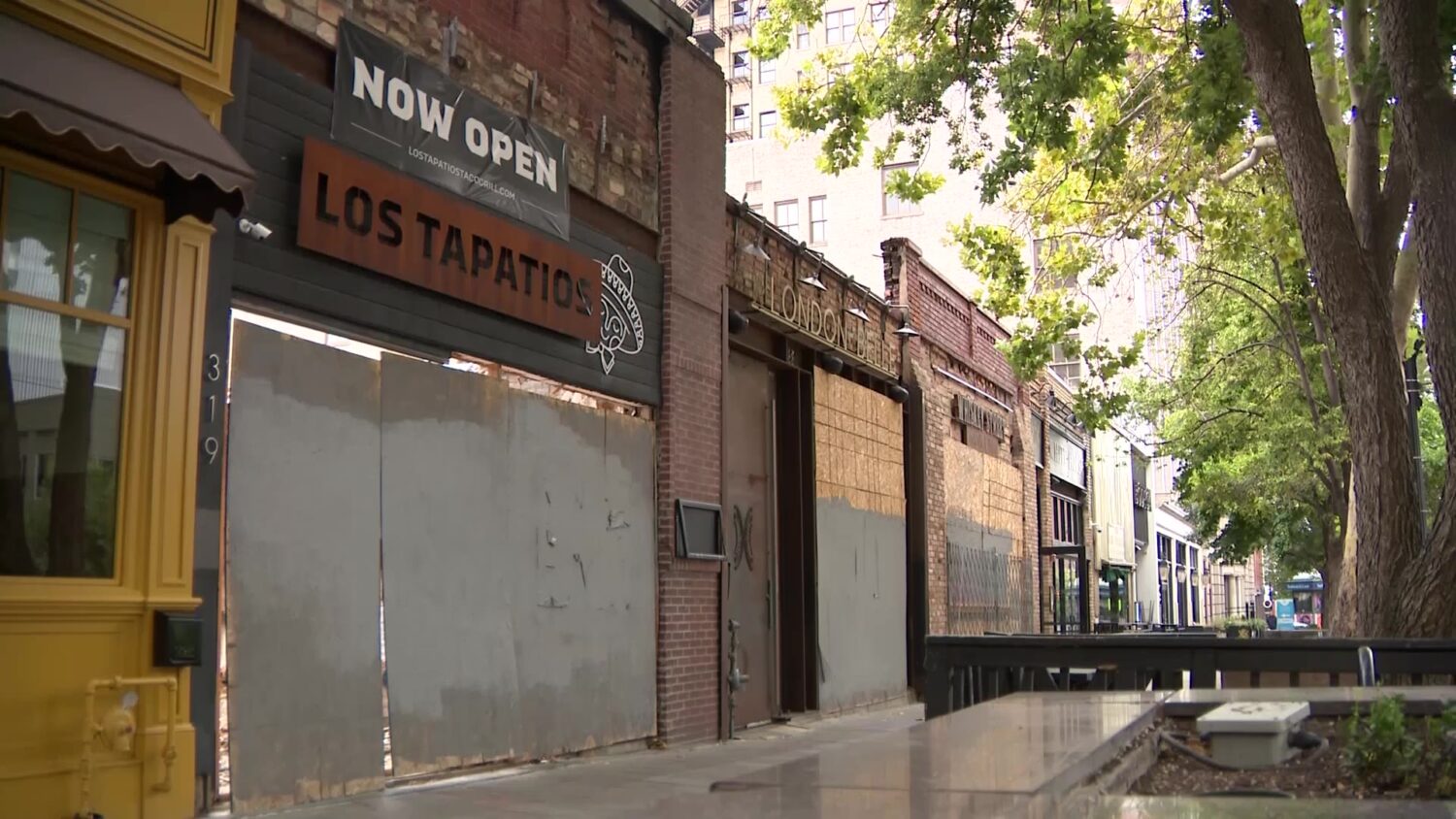
One year after a devastating fire destroyed five businesses on downtown Salt Lake City's Main Street, signs of recovery are emerging.

13 hours ago

The Sunshine Protection Act would make daylight saving time permanent year-round. Supporters argue...

Shelby Lofton, KSL

Utah ski resorts consider big impacts as Sunshine Protection Act progresses

The Sunshine Protection Act would make daylight saving time permanent year-round. Supporters argue the change would lead to increased outdoor and economic activity in the winter.

15 hours ago

A woman agreed to pay back over $26,000 she had taken from a man living in an assisted living cente...

Emily Ashcraft, KSL

Assisted living center director admits to taking money from deaf tenant

A woman admitted to making purchases totaling thousands of dollars with a deaf man's account without his permission while in a role as executive director at Rosewood Assisted Care in South Salt Lake. She has agreed to pay him back.

1 day ago

Sponsored Articles

Whether you are chasing pristine beaches, fresh raspberry shakes, or endless water sports, this spo...

Bear Lake

Road trip ready: How Bear Lake became the go-to destination for Western U.S. travelers

Whether you are chasing pristine beaches, fresh raspberry shakes, or endless water sports, this sponsored guide—brought to you in partnership with Bear Lake —uncovers everything you need to plan the ultimate getaway.

How Harper Clinic's IOP is changing the face of mental health treatment in Utah....

Harper Clinic

A new standard of care: How Harper Clinic’s IOP is changing the face of mental health treatment in Utah

As demand for mental health care continues to rise across Utah County, Orem's Harper Clinic says it is trying to close the gap with a more comprehensive approach to mental health treatment.

The weight of depression is real. Many people spend years fighting it, adjusting medications, manag...

Harper Clinic

Breaking free from depression: How Harper Clinic’s TMS Therapy can help

Breaking free from depression: How Harper Clinic's TMS Therapy can help.

mental health...

Andrew Adams, KSL

Library discussions bring men’s mental health to the surface

Therapists say it’s common for men to repress things like trauma, grief, stress and anxiety. Now, a new weekly series of discussions aims to help men bring it all to the surface.

...

Bear Lake Convention & Visitors Bureau

Cozy up in Bear Lake: Discover the magic of a winter getaway

SALT LAKE CITY – The holiday season shines brightest when time slows down and loved ones gather. Gifts, decorations and festive music come and go, but shared experiences tend to last much longer. Research supports that idea. Dr. Theresa E. DiDonato told Psychology Today that vacations can strengthen relationships by creating meaningful time away from daily […]

...

Harper Clinic

Rewriting the path to healing: Inside Harper Clinic’s whole-person mental health model

OREM — A few decades ago, you’d have had a hard time finding a doctor to treat both your mind and body; And a century ago, you’d have been hard-pressed to find a doctor to treat your mind at all. Today, medical professionals are understanding more and more the undeniable connection between the body and […]

Lower-income Americans hit hardest by gas price spike, widening inequalities, study finds