
Police cars could pull over your car in ‘The Future of Your Commute’
May 24, 2018, 7:54 AM | Updated: 8:45 am

Editor’s note: This is the second in a two-part series on the future of driving in Utah.
MURRAY — “Smarter” technology in our cars and on our roads is coming. They’ll talk to each other, hopefully reducing accidents.
So how would law enforcement use smart technology in fighting crime and forcing traffic stops? And what are the legal challenges?
When we hear police sirens right behind us, most of us would pull over to the side of the road.
Of course, others won’t, like the shooting suspects who led Utah Highway Patrol troopers on a dangerous chase on I-15 through Utah County in December.
But what would happen if the squad car were able to talk to our car and avoid a chase by shutting our cars down?
Then, what if the squad cars were to send signals to lock our doors to keep suspects, or even us, inside the car?
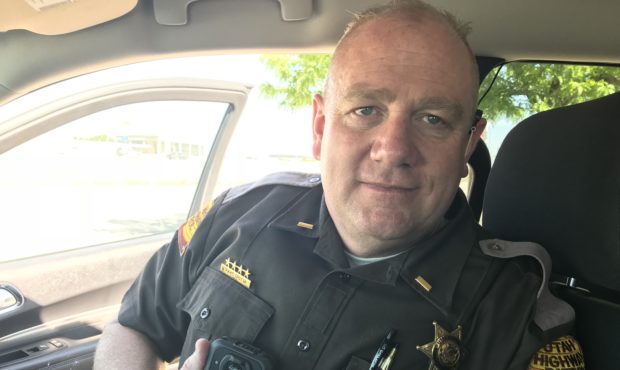
UHP Lt. Travis Trotta gave a scenario.
“I have the right to talk to this person. They’re not complying. I’ve met the criteria,” he said. “I can shut that vehicle down and not have any of the injuries that we’re having from somebody else’s decision to run away from us.”
Trotta said that could be the next step of our cars’ smart technology.
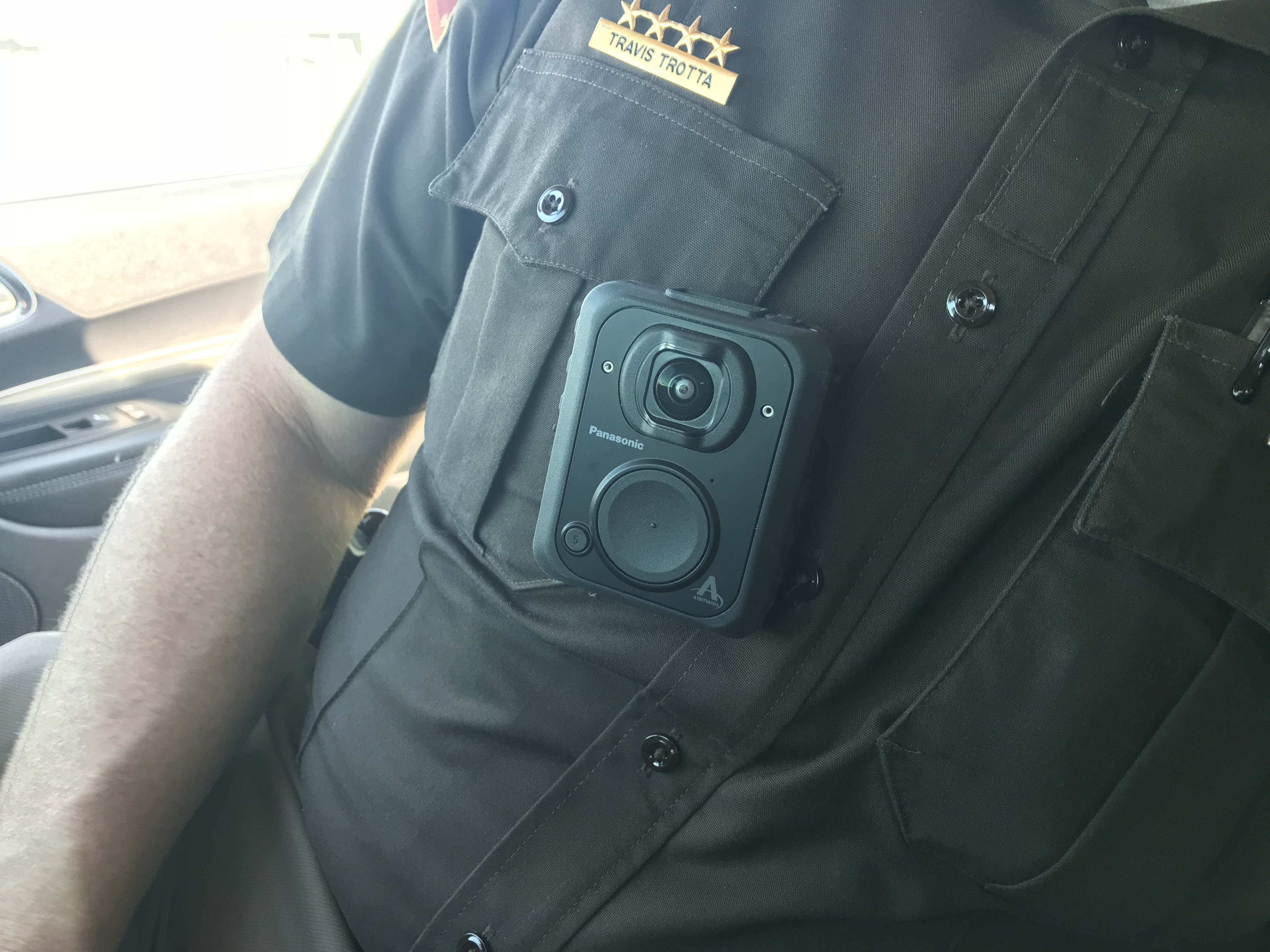
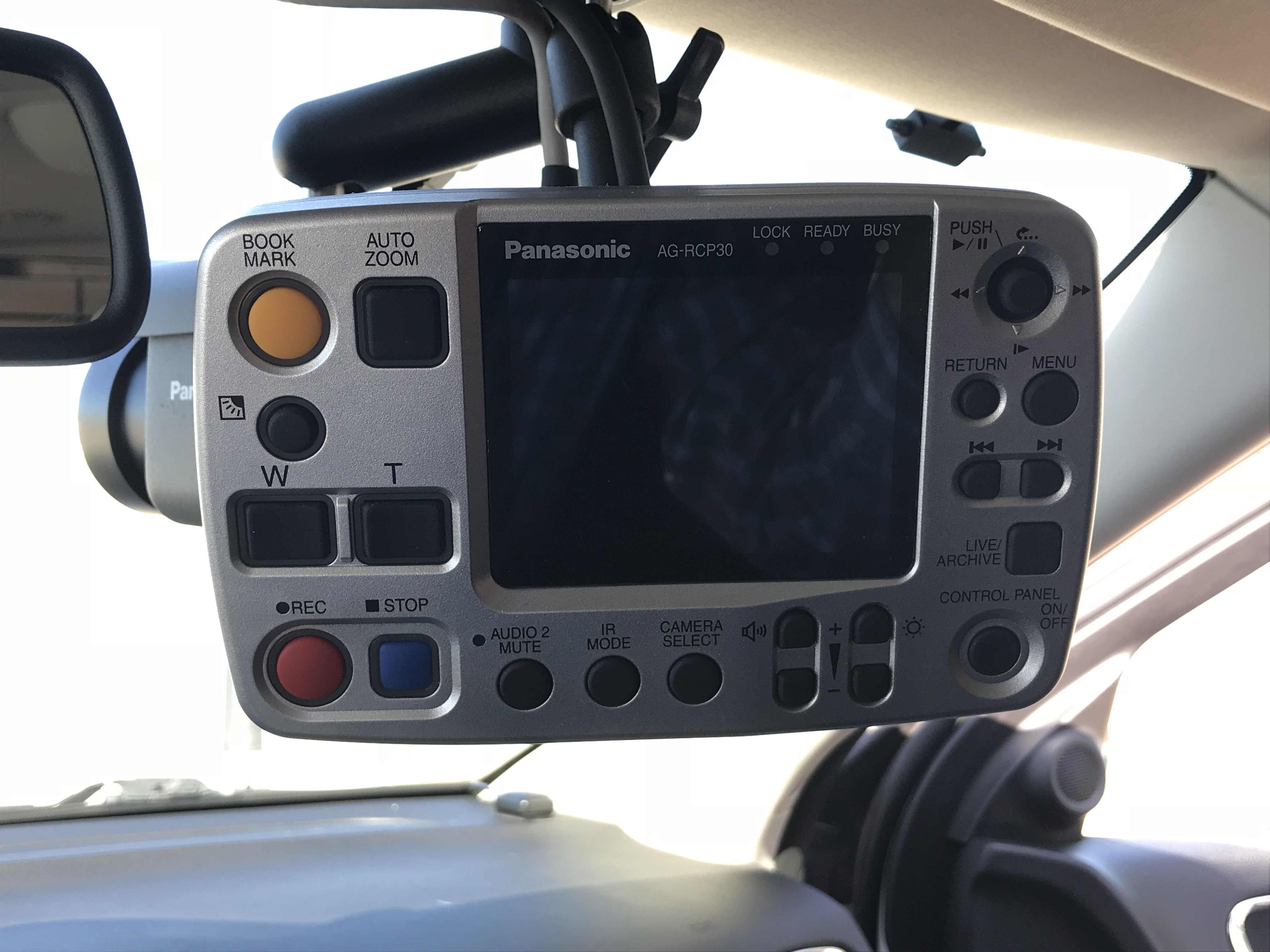
“You’ve got GM that’s made OnStar, that’s able to take a car and unlock it by identifying yourself,” he explained. “They can shut a car down if it’s been stolen.”
Then there are drones: remote-controlled aircraft that can fly after criminals.
“It would be nice to have (a drone) stay out there with them at 120 mph, for a sustained amount of time, track it to the location where it’s parked, and watch the suspects get out of the car,” Trotta said.
He hopes that would pose a lesser risk to the safety of troopers.
Trotta says they’re also getting better at identifying people with facial recognition software, fingerprints and other biometrics that our own smartphones use to identify us.
But Trotta also asks, “How do we make sure that the technology doesn’t get abused, or used in the wrong hands” by criminals or by law enforcement?
“The technology would have to be so good that the Legislature and law enforcement determine that public safety interest in stopping vehicles and ending these high-speed chases outweighs the risk that it doesn’t always work perfectly,” Salt Lake defense attorney Greg Skordas said.
Public safety usually outweighs personal privacy concerns, Skordas added, and automakers would understand that.
“I think the Legislature could enact legislation that requires automobile makers to put this technology in cars,” he said.
It would be no different from lawmakers regulating safety inspections and emissions standards. Skordas says some people will detest more encroachment from “big brother.”
“Once this technology is in place, people who purchase vehicles need to be aware,” he said. “People who drive on certain roads where this technology is in place should be made aware.”
And Skordas and Trotta agree law enforcement will still need warrants to search cars once they’re pulled over.
As for the technology to do it, “it’s already old the day it’s released,” Trotta said.






