Utah leaders react to Supreme Court decision on transgender athletes in women’s and girls sports
Jun 30, 2026, 2:10 PM | Updated: 5:54 pm
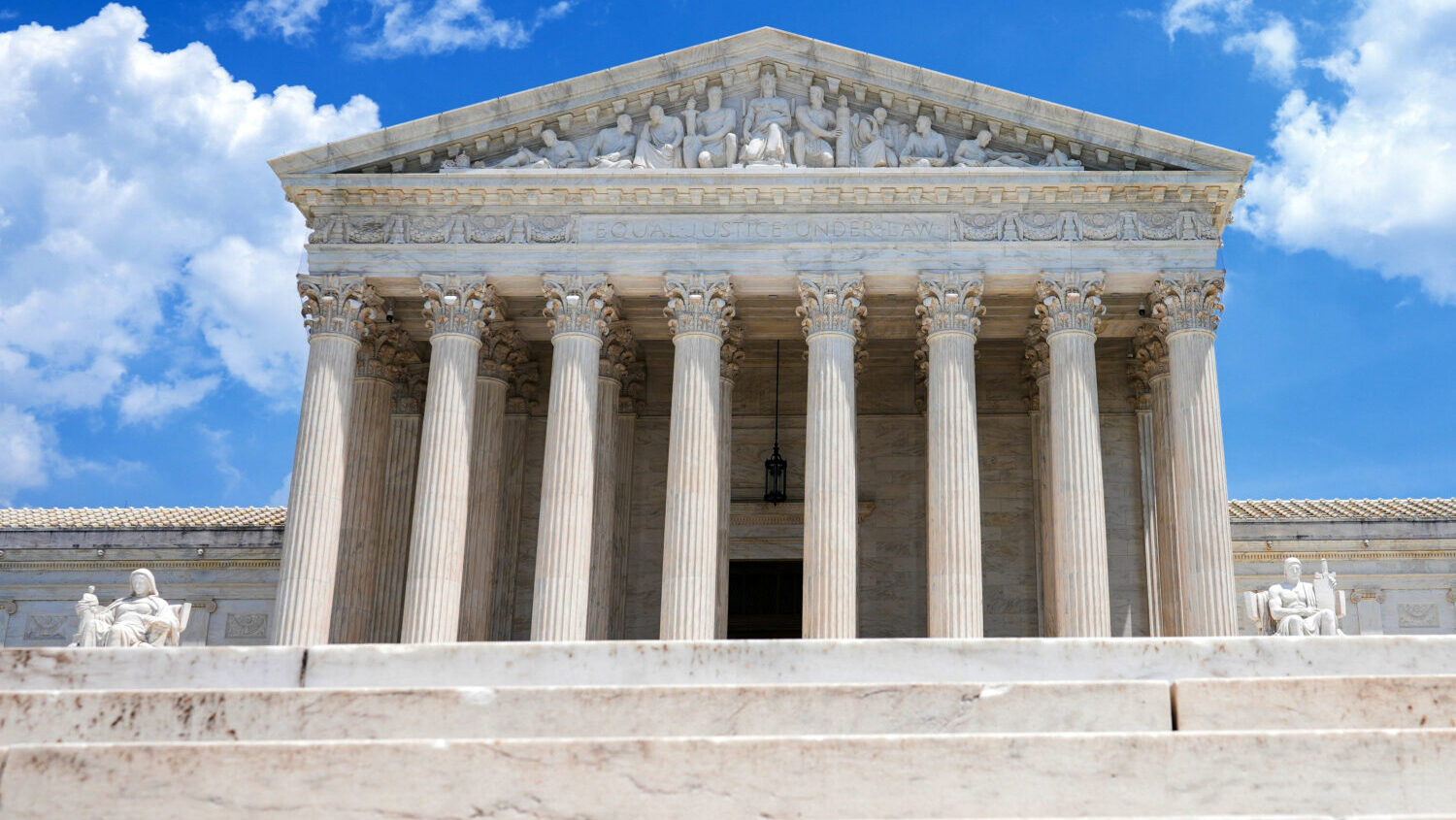
FILE - The U.S. Supreme Court is seen, June 11, 2026, in Washington. Utah state leaders applauded the ruling upholding state bans on transgender girls in sports. Advocates say blanket bans ignore nuance. (Mariam Zuhaib, Associated Press)
(Mariam Zuhaib, Associated Press)

SALT LAKE CITY — States can choose to ban transgender women from competing in women’s sports after a ruling Tuesday by the U.S. Supreme Court, but advocacy groups said they would like to see more nuance.
In the decision, six justices, the conservative majority, ruled that state bans by Idaho and West Virginia do not violate the Constitution. The court also unanimously agreed that the ban does not conflict with Title IX, a federal law prohibiting sex discrimination in education.
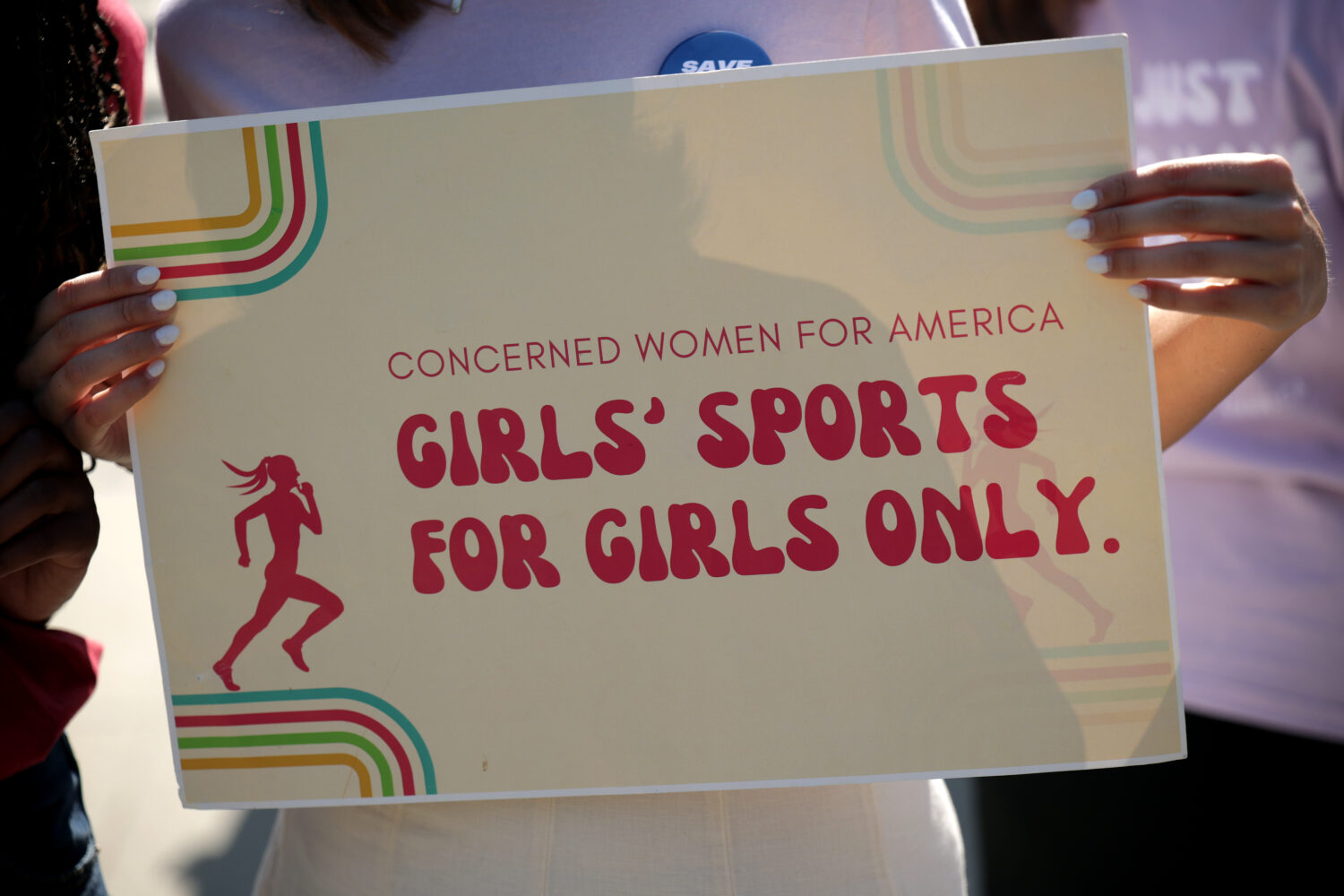
A defender of female sports categories in front of the U.S. Supreme Court waiting for rulings on June 30, 2026 in Washington, DC. The court struck down a ban on birthright citizenship, upheld state restrictions on transgender athletes in female sports, and eliminated federal limits on coordinated campaign spending. (Photo by Alex Wong/Getty Images)
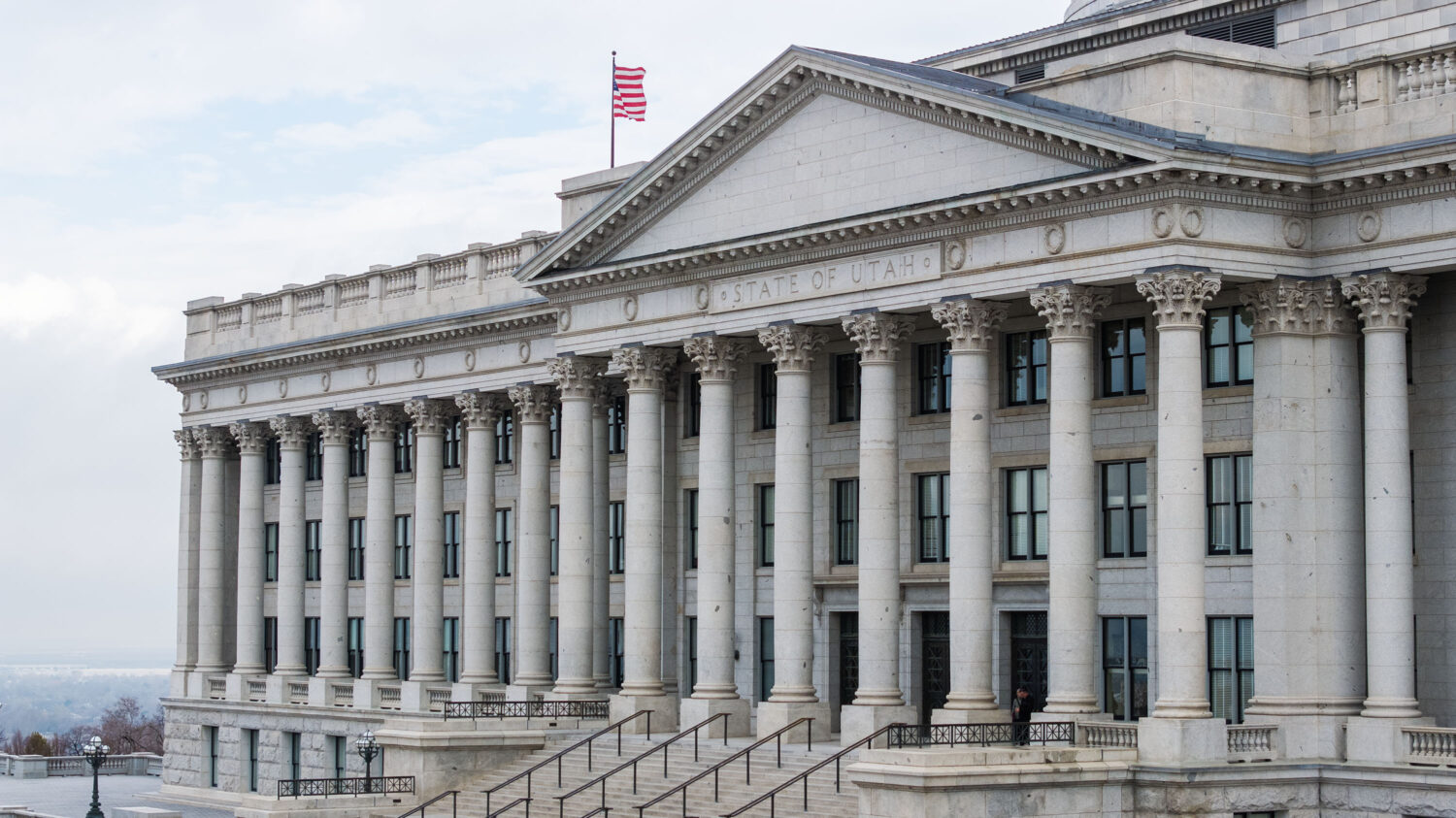
The high court’s decision does not change things for Utah, since transgender athletes have been banned from women’s and girls’ sports since 2022, after a lawsuit challenging the ban was dropped.
Democrats, advocates decry blanket bans
In a statement, Utah House Democrats said the courts ruled incorrectly in this case: “This ruling, and all laws banning transgender girls from playing in school sports, are not about protecting girls’ athletics. They are rooted in fear and discrimination against transgender people. Strengthening women’s sports starts with expanding access and opportunity, not using athletics and gender identity as a tool to divide or exclude vulnerable young people.”

Protesters gather at a rally for Transgender Day of Visibility in Salt Lake City on March 29. (Brice Tucker, Deseret News)
Equality Utah’s Director Legal Affairs Marina Lowe says there should be more nuance.
“Is this an individual sport?” Lowe said. “Are they going to be playing in a team setting? How long has the student been on, perhaps on hormones? Would that change the student’s profile? When did they start taking these hormones? I think all of these are important questions when determining eligibility rather than just saying, you know, straight up, you’re not allowed to participate.”
Lowe said there is more to sports participation than just winning or losing. It can promote confidence, inspire lasting friendships, and provide some leadership training.
She said there is a real concern about fairness when it comes to trans women in women’s sports, and that is why it is important to look at each case in its context and have a nuanced approach.
‘A major victory for states’ rights’
House Speaker Mike Schultz praised Tuesday’s decision, calling it “a major victory for states’ rights, common sense, and the integrity of women’s sports.”
Schultz went on to say that the court decision also shows how important elections are since people need to choose legislators who will “stand up for girls, defend fairness, and protect the integrity of women’s sports.”
He said Utah has already passed these protections for female athletes, “because girls deserve a level playing field and the opportunity to compete safely and fairly. This is also a great reminder that elections matter. We can’t take these protections for granted.”