Ute Indian Tribe allows non-tribal members to purchase recreational permits again
Aug 26, 2025, 12:43 PM
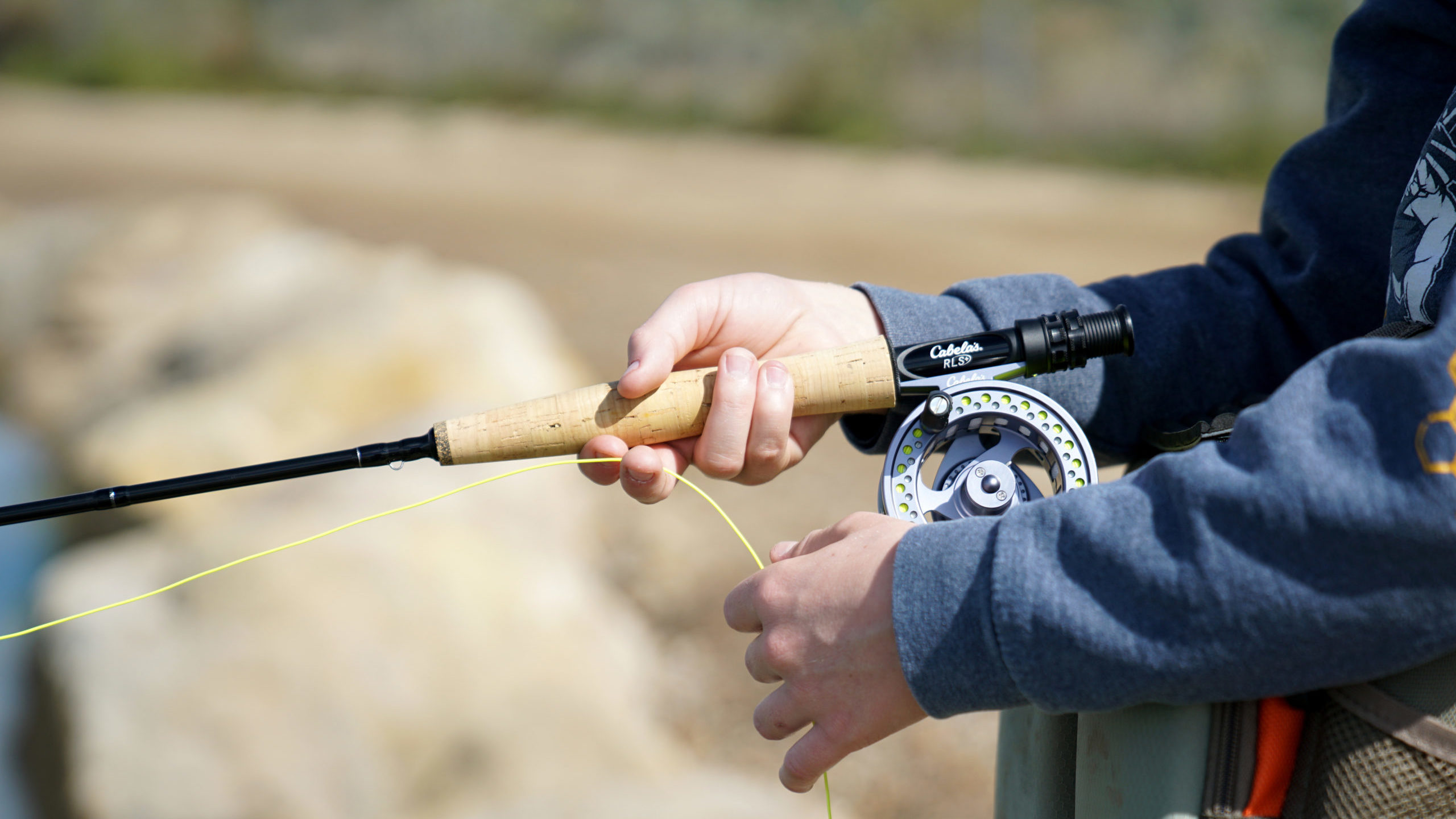
A person fly-fishing is pictured. (Morgan Jacobsen/Utah Division of Wildlife Resources)
(Morgan Jacobsen/Utah Division of Wildlife Resources)

SALT LAKE CITY — The Ute Indian Tribe is lifting some of its recreation restrictions, allowing non-tribal members to fish, camp and boat on its lands after more than a year of being banned.
Recreational permits have been banned from the general public since last January, when members of the Business Committee saw people disrespecting tribal lands and violating the rules.
However, Fisheries Enhancement Coordinator Kellie Cambridge said the board has changed, and new members have different opinions.
“It’s nice to be able to have them out there and recreating again and seeing the resources that the tribe has to offer and be able to take advantage of those opportunities and being close to the community.”
There may have also been a monetary motivation.
“When we closed things down, that revenue stream also went away for us,” Cambridge said.
However, Cambridge said that some committee members also wanted to work more with the general public.
“Recognizing where we’re at out here in the basin and, you know, knowing that we have neighbors that are here among us and the reservoirs that we have and the recreation opportunities that we have,” Cambridge said
Read more: Native tribe alleges Rep. Maloy’s land sale proposal violates NEPA
The ban first happened when board members noticed an increase in off-road vehicle use on tribal land.
“We don’t recognize the UTVs,” Cambridge said. “So they’re not even allowed out there on the tribe.”
This includes side-by-sides and ATVs. There was also some misuse of small game hunting permits. Cambridge said what would often happen is someone leasing tribal land would purchase a small game permit, then only allow certain people onto the leased property to hunt.
“Where it’s travel ground, travel members are able to go wherever they want,” Cambridge said. “Usually, (they would) seek permission to be able to go do that, but the leaseholders weren’t allowing others to come and hunt on there. That’s just that’s not how those permits were designed to work.”
Those permits are still not yet being sold.
Cambridge said that at the fisheries, they are happy to hear about the changes. He said they usually stock the lakes, then depend on fishing to keep the numbers controlled.
“Our numbers were going up as far as the fish,” Cambridge said. “And things were getting a little overcrowded, but I think this is gonna help out a bunch.”
He said that with the time off, the fish have also gotten much larger.
“We’re seeing some decent-sized fish now, and I think it’s as far as recreating and fishing goes,” Cambridge said. “It’s going to be really pleasing to come out and get a permit and go out and fish and catch something with substance.”
Although permits are back on sale, the price has tripled, partly because of inflation and partly to ensure that only those serious about responsible recreation purchase them. Previously, they were $40, and now they are $120.