ELECTIONS, POLITICS, & GOVERNMENT
Biden responds to Supreme Court ruling: “It’s a dangerous precedent”
Jul 1, 2024, 9:00 PM | Updated: Jul 2, 2024, 3:05 pm

President Biden speaks about the Supreme Court's ruling on presidential immunity Monday, July 1. (President Biden via X)
(President Biden via X)

WASHINGTON — After an unprecedented ruling by the Supreme Court that United States presidents have legal immunity for “official acts”, current President Joe Biden said the decision undermines the rule of law.
“For all practical purposes today’s decision almost certainly means that there are virtually no limits on what the president can do,” Biden said.
The ruling
The 6-3 decision, which was released on July 1, 2024, stated the following:
“Under our constitutional structure of separated powers, the nature of presidential power entitles a former president to absolute immunity from criminal prosecution for actions within his conclusive and preclusive constitutional authority. And he is entitled to at least presumptive immunity from prosecution for all his official acts. There is no immunity for unofficial acts.”
Multiple outlets covering the initial announcement, including the Associated Press, stated the ruling would likely delay former President Donald Trump’s trial, but not dismiss it. The ruling elaborated that not all official actions of a president fall within “conclusive and preclusive constitutional authority”, such as cases where presidential and congressional authority overlap.
Trump’s legal battles
Former President Trump has faced many legal battles since the conclusion of his presidency. This current case against Trump seeks to prosecute him for connections to the Jan. 6 storming of the U.S. Capitol. The prosecution alleges Trump deliberately attempted to violently overturn the 2020 election, while his supporters claim Trump worked to prevent the violence of that day.
— Donald J. Trump (@realDonaldTrump) January 8, 2021
One defense pursued by Trump’s legal team has been presidential immunity. They argued a former president has legal immunity against prosecution for actions undertaken as part of their presidency. This ruling by the Supreme Court supports limited immunity based on the constitutional powers of the presidential office.
But for some, including President Biden, that is too much.
Biden weighs in
This nation was founded on the principle that there are no kings in America.
Each of us is equal before the law. No one is above it.
Not even the President of the United States.
With today’s Supreme Court decision on presidential immunity, that fundamentally changed.
— Joe Biden (@JoeBiden) July 2, 2024
“I know I will respect the limits of the presidential powers I have for three and a half years,” Biden said. “But any president, including Donald Trump, will now be free to ignore the law.”
As part of his address, President Biden quoted the dissenting opinion of Supreme Court Justice Sonia Sotomayor, who called this immunity “unjustifiable.”
“In every use of official power, the President is now a king above the law,” Sotomayor wrote. “With fear for our democracy, I dissent.”
“Now the American people have to do what the court should have been willing to do, but will not,” Biden said. “The Americans have to render a judgment about Donald Trump’s behavior.”
Local responses
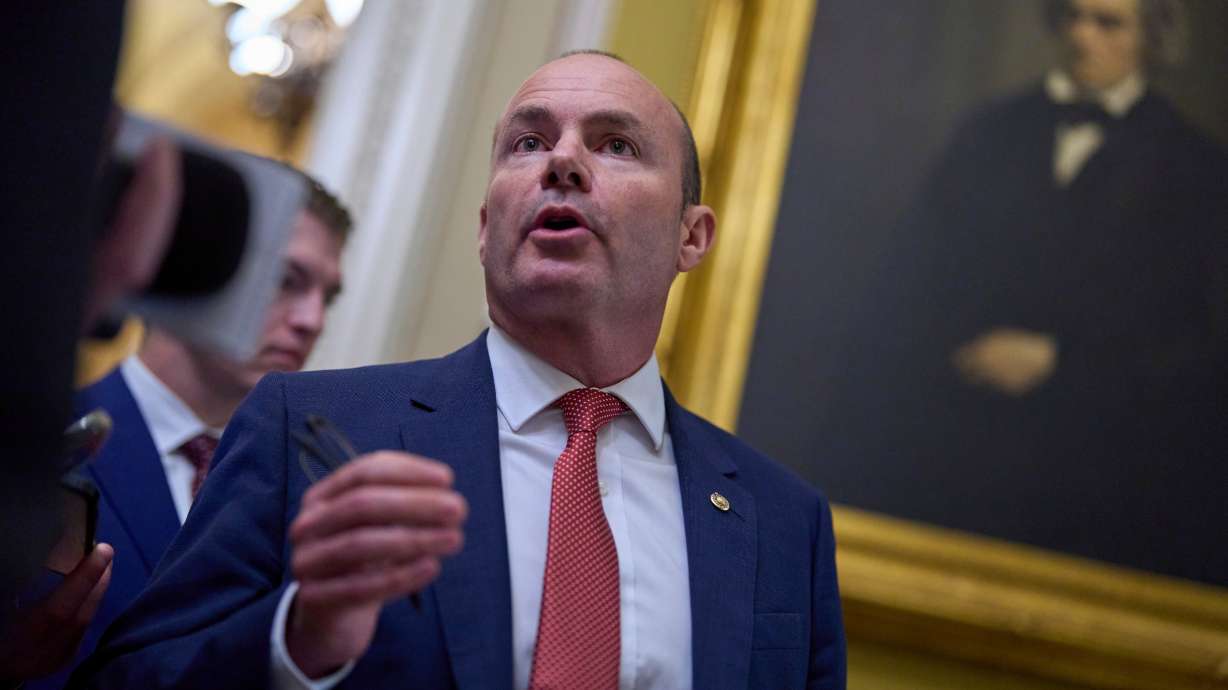
Opinions on the ruling among Utah’s politicians have been mixed. Sen. Mike Lee, R-Utah, spoke in favor of it on X, both on his official account and on his personal.
“Without presidential immunity, the presidency couldn’t function properly,” Lee said.
Chairwoman of the Utah Democratic Party, Diane Lewis, disagreed.
“If Donald Trump is allowed back into the Oval Office, he will use today’s ruling to establish the strongman dictatorship that he promised to create on ‘day one’ of his presidency,” Lewis said.
Law professors share their thoughts
Among many others sharing their thoughts on social media, law professor Rachel Barkow of New York University pointed out a major implication.
One takeaway from the presidential immunity case is that character matters more than ever before in choosing someone for that job. There aren’t many checks other than the person’s own internal moral compass.
— Rachel Barkow (@RachelBarkow) July 1, 2024
Amanda Dickson, who teaches media law at the University of Utah and hosts KSL NewsRadio’s Utah Morning News, explained the next steps for this case.
“It goes back to the lower court now, for the court to take a look at it and decide: Are these charges official?”