More than half of Utah is now ‘abnormally dry,’ but still not in a drought.
Jul 19, 2024, 3:00 PM | Updated: Dec 21, 2024, 3:56 pm

Deseret News writer Joe Bauman in the background looks at the irrigation ditches with no water and the drying soil May 17, 2002 in the Ioka area. Photo by Scott G. Winterton/Deseret News.
SALT LAKE CITY— The latest report from the U.S. Drought Monitor lists 53% of the land in Utah as ‘abnormally dry’ this summer. That’s more than double the amount of land under that classification just three months ago.
However, it’s important to note, that though its been a hot and dry Utah summer, none of the Beehive State is under drought status of any kind.
KSL Meteorologist Matt Johnson clarified these reports do not reflect Utah’s overall water supply. They have to do with soil moisture levels.
“It’s definitely something to watch, I wouldn’t be too alarmed about it,” Johnson said. “[It is] more of a display of how volatile the water system can be in the West.”
To date, Utah’s reservoirs, excluding Lake Powell and Flaming Gorge, are just under 88% full on average.
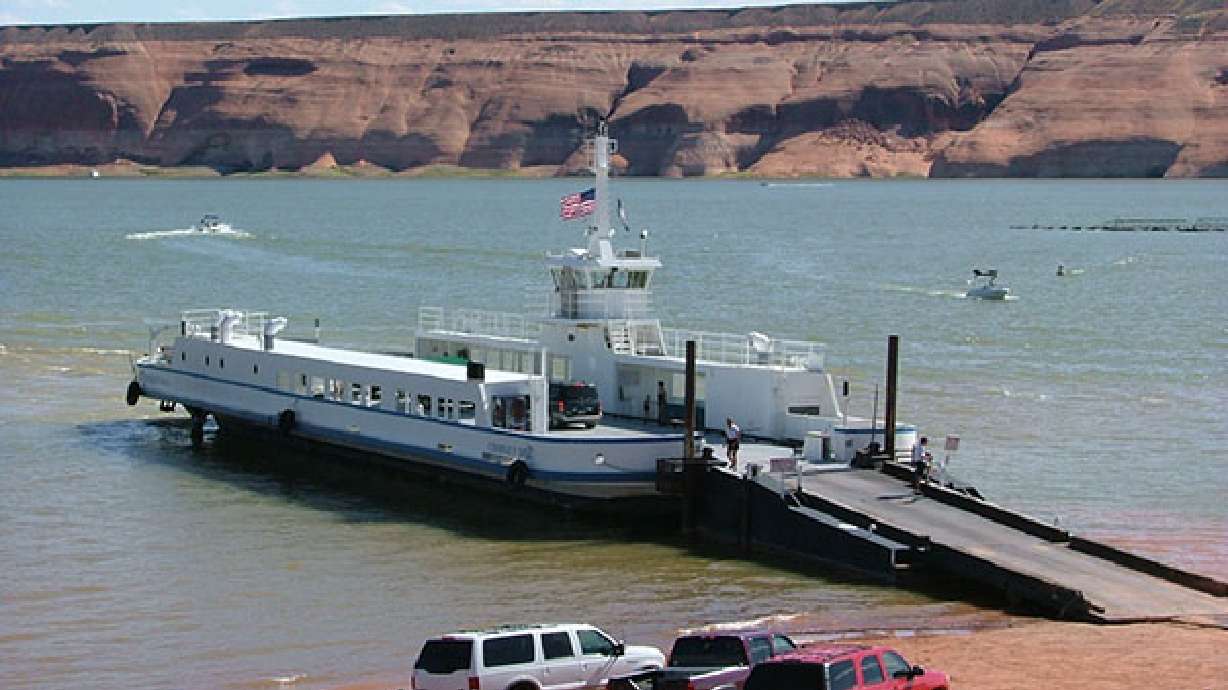
The Great Salt Lake though is still about four feet short of it’s target healthy level. Lake Powell is about 42% full, and that’s the highest it’s been since 2020.
A dry Utah summer
Johnson said as of Friday, Salt Lake City hadn’t seen a measurable amount of rainfall in 28 days. This week St. George finally broke a 78-day streak without measurable rain, but the city only registered .05 inches.
However, for Salt Lake, the record for consecutive days without measurable rain is 63 days set in both late 1952 and 1899. Not a single day in the top 10 longest dry streaks happened later than 1963.
Plus, Utah doesn’t see much rain during the summer on a regular basis. Johnson said Salt Lake City only averages .95 inches in June, .49 inches in July and .58 inches in August.
Johnson said one or two good rain storms could completely take care of the July and August totals.
Related:
- Lake-effect drought? New study shows a shrinking Great Salt Lake may exacerbate Utah’s drought conditions
- Utah is now completely out of drought status
- Water managers releasing cold water from Lake Powell to fight invasive fish