What is fast fashion, and why is it so controversial?
Nov 24, 2023, 10:00 AM | Updated: May 28, 2024, 12:00 pm
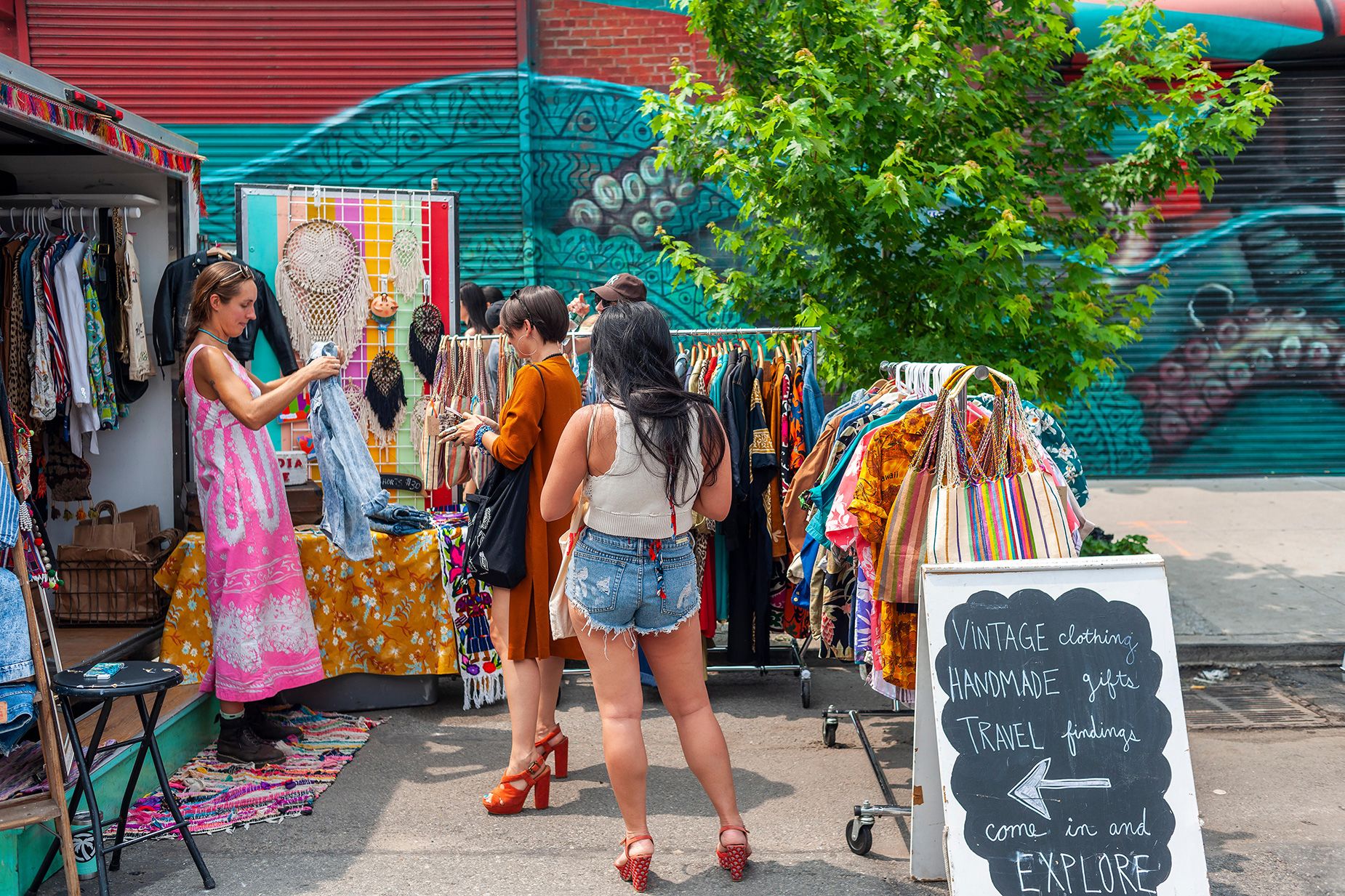
One budget-friendly option for participating in sustainable fashion is to thrift for clothes that are made with a higher percentage of natural fibers, such as cotton, hemp, linen, wool and silk, according to Dr. Preeti Arya. (Richard Levine/Alamy Stock Photo)
(Richard Levine/Alamy Stock Photo)
(CNN) — To keep up with the ever-changing trends propagated by runway shows, influencers and frenetic social media fads, fashion connoisseurs and avid clothing shoppers can be quick to turn to the most convenient — and budget-conscious — options out there.
Often, that’s “fast fashion” offerings, from e-tailers with their endless feeds of wallet-friendly and of-the-moment garments or big box stores offering that knee-length trench coat or oversized flannel at sale prices.
But while cheap chic may seem like the way to go, the fast fashion industry sees clothing pushed out on a scale that is even too large for most consumers to keep up with. Plus, the materials used can last for as few as just seven to 10 wears, according to the non-profit environmental data platform Earth.org.
Why is fast fashion so popular?
Fast fashion is a business model that focuses on the production of garments in bulk, and as quickly as possible, in response to current trends, according to Dr. Preeti Arya, an assistant professor of textile development and marketing at the Fashion Institute of Technology in New York. The term was first popularized in a New York Times article in 1989 to describe retail store Zara’s first opening in the United States — the retail brand’s goal, the Times said, was to have a design developed from concept to consumer in only 15 days.
Generally, fast fashion designs are “dupes”— a popular term on social media used for garments inspired by (and in some cases, outright copied from) luxurious looks work by celebrities and trendsetters, or showcased on designer runways from New York to Paris. The goal of brands and manufacturers is to get these designs in the hands of consumers while the clothes are still at the height of their popularity, and at all-too affordable prices.
While the biggest brands today include large-scale brick-and-mortar retailers with an online presence, like Zara and H&M, fast fashion has increasingly allowed for e-tail only brand and sellers to take charge — like Shein, an online retailer from Singapore, as well as Temu from China, Boohoo, ASOS and PrettyLittleThing from the UK and Fashion Nova from the US, among others.
Because of their extremely quick production schedules — as little as three days from design to ready-to-buy for Shein, Vox has reported — online retailers can push out hundreds (if not thousands) of designs in small batches, and adjust the production rates according to consumer response, which Shein has argued enables it to reduce waste and overproduction.
What is fast fashion’s impact on the world?
The fashion industry accounts for 10% of annual global carbon emissions, according to statistics from a March 2023 report by the United Nations Environment Programme (UNEP). The report also found that the amount of garments produced today has doubled since 2000 — with consumers buying an estimated 60% more clothes today, but only wearing them for half as long.
To keep the price of production down, fast fashion pieces are often made with materials like polyester — a synthetic and cheap fiber made from petroleum, a nonrenewable fossil fuel — according to a report from the Changing Markets Foundation. Polyester can take approximately 200 years to decompose, according to a 2016 report by Greenpeace.
And not only does the fast fashion industry rely on cheap materials, it heavily relies on cheap labor, with approximately 75 million factory employees around the world, and only 2% of those making a living wage, according to George Washington University.
Apparel companies tend to turn to countries such as India, Bangladesh and Pakistan for the manufacturing of their products. The garment manufacturing industries in these countries see workers paid lower wages, sometimes in dangerous conditions and, occasionally, allows for the exploitation of children, according to Humanium, an international organization dedicated to supporting children’s rights.
In other words, while the end products may be cheap to consumers, both the environment and the workers that make them are paying a high cost, said Beth Osnes, a University of Colorado professor of environmental studies and an expert on fast fashion’s role in the changing climate.
Fast fashion accounts for “quick designs, quick manufacturing, quick marketing, quick retailing — it doesn’t leave the time to consider these bigger needs, like ethical considerations or rights of workers,” Osnes said. “Fossil fuel is not only driving the machinery that’s creating these garments, but it literally is the material from which these fashion items are being created.”
“It’s turned out at such a speed that there’s no care for the person who made it or the environment,” said Aja Barber, a writer and stylist whose work deals with sustainability and ethics within the fashion industry. “The planet is on fire, and the truth is the fashion industry aids in a percentage of that.”
Is ‘sustainable fashion,’ a viable alternative?
Sustainable fashion is a term used to reference clothes that are designed and produced to be more environmentally friendly, according to Good on You, a leading source for fashion brand sustainability rankings. This includes clothes that use natural fibers, such as cotton, hemp, linen, wool and silk, which are more durable and last longer, the Fashion Institute of Technology’s Preeti Arya explained.
In the UNEP’s 2023 report, the organization lists shifting consumption patterns, investments in shared infrastructure and improvements in environmental and social practices as priorities the fashion industry can make to make their business models more sustainable — informing consumers of their environmental impact, for example, and prioritizing recyclability and locally-sourced materials within designs.
While these changes may take time to become standard practice, there are steps consumers can take to reduce their own carbon footprint and make active decisions to buy less fast fashion.
By choosing garments that use less than 20% of polyester, consumers can be more environmentally conscious with their shopping habits; items made from natural fibers can last for up to three generations, Arya said. (Thrift store shopping is often another good way to find natural fiber clothing, she added.)
“No one is asking you not to shop. But shop responsibly… try to use your budget to buy one good quality item,” Arya said, instead of a glut of fast fashion basics.
The-CNN-Wire
™ & © 2023 Cable News Network, Inc., a Warner Bros. Discovery Company. All rights reserved.