Don’t hit a deer this spring, here’s how to avoid them
Apr 11, 2025, 6:00 AM

FILE: Traffic at a Highway 40 deer crossing. (Garry Bryant, Deseret News)
(Garry Bryant, Deseret News)
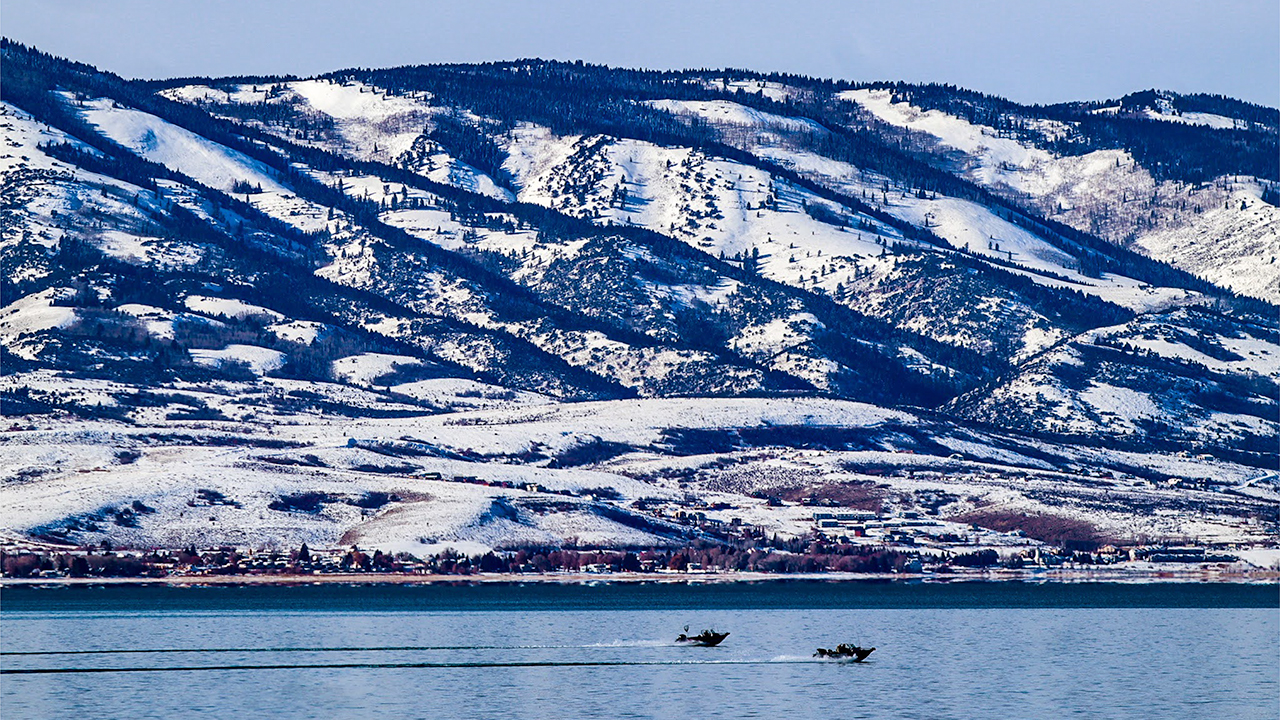
SALT LAKE CITY — As the Utah mountainsides change from white to green, the chance of hitting a deer increases. That’s because the new green growth is tempting for the animals according to the Division of Wildlife Resources.
“As we move into spring we get a lot of green-up, really quick, down here in the valley,” said Mike Packer, the central region outreach manager for the Division of Wildlife Resources. “Which is very tasty. It’s an easy meal for these deer to be able to come down and kind of start replenishing those resources they’ve lost or depleted over the winter.”
And while it’s normal to see these animals, it’s important to remember that there’s an increased chance of hitting one, especially along the the foothills.
Where do deer hang out in Utah in the spring?
Luckily, the areas where deer are likely to appear, are well known.
“There are areas that are known. The deer treat it as a corridor area. Some of those are areas in the Wasatch and Summit County area, as well as when you’re making your way from San Pete onto US 6,” Packer said.
There are many migration corridors in Utah. According to the Wildlife Migration Initiative they are areas used by deer to migrate between their winter and summer habitats. They are determined when scientists place GPS devices on the animals and then analyze their movements.
What do I do if I see a deer by the road in spring?
It can be jarring, as a driver, to see something you don’t expect on or on the side of the road. Sometimes, the Utah Department of Transportation will use their roadside signs to warn drivers if deer are in the area.
If you spot one as you’re driving, Packer said the best thing to do is drive around it slowly. It will be helpful if if you are already on the lookout and have adjusted you speed accordingly.
Other tips to avoid hitting a deer include:
- honking your horn,
- flashing your lights, and
- staying in your lane.
Why are deer more active in the twilight hours?
Drivers are more likely to see these animals around dusk and dawn, Packer said. That’s because they are crepuscular, or, active during twilight. In the wild, animals that hunt deer are more active during the daytime and the animals have adjusted their waking and active hours to reflect that.
However, weather and other factors can prompt them to be active at other times. Remaining vigilant is key.
If you see a wildlife crossing sign it’s not there by accident. These signs can also help you avoid hitting a deer by reminding drivers to slow down and keep an eye out.
Knowing where they are and when they are more active can help drivers know when to pay closer attention.