Rep. Maloy proposes selling more than 10,000 acres of Utah’s public lands
May 7, 2025, 7:00 PM | Updated: 8:13 pm

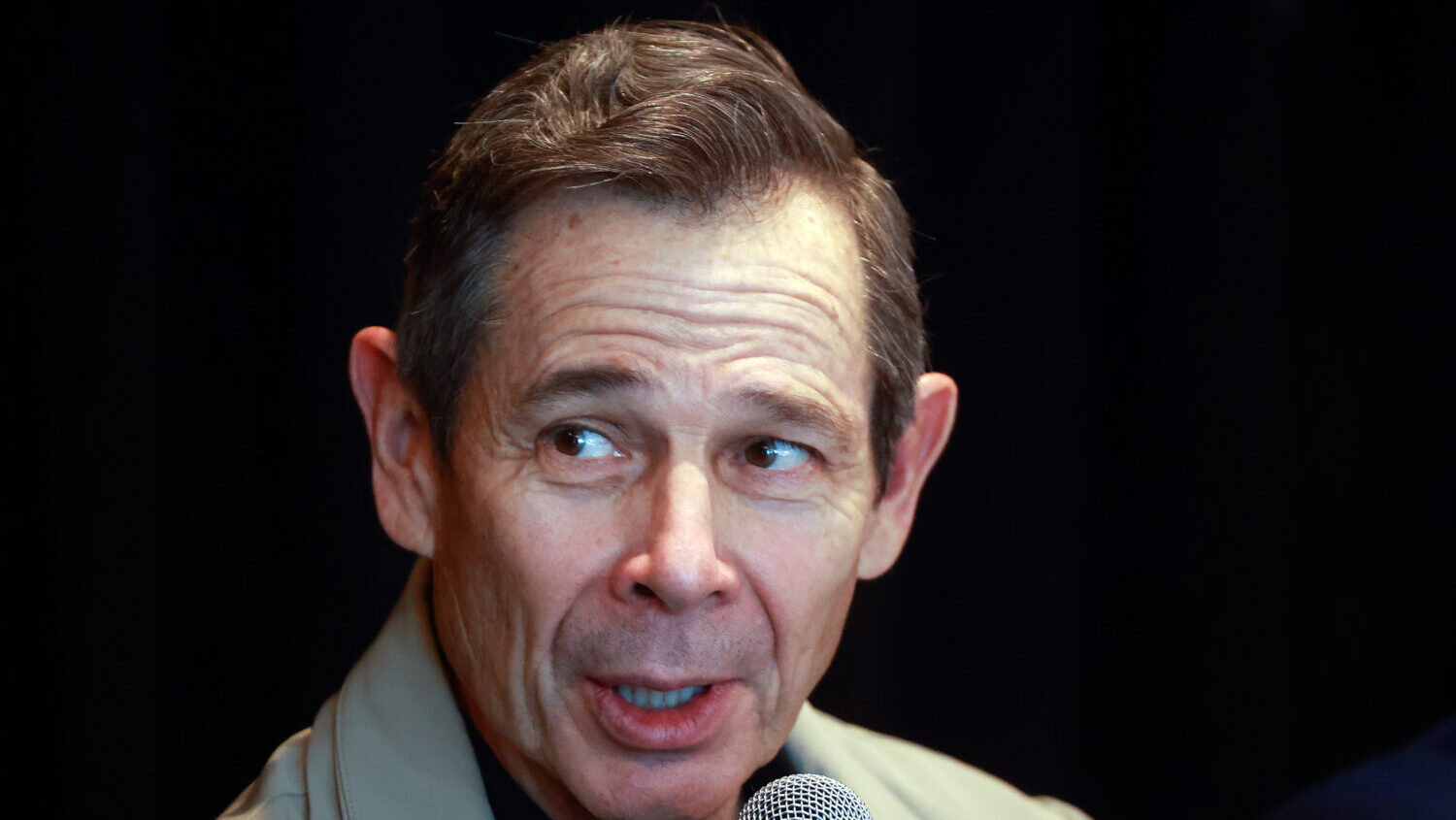
Screenshot of Rep. Celeste Maloy at a meeting of the House Natural Resources Committee. (Rep. Celeste Maloy)
(Rep. Celeste Maloy)

SALT LAKE CITY — After a late night move from Utah Rep. Celeste Maloy, there is now a proposal to sell off thousands of acres of Utah’s federal lands.
At a Natural Resources Committee hearing that went past midnight, Rep. Maloy and Rep. Mark Amodei from Nevada introduced an amendment to the federal budget reconciliation bill. It proposed to sell off more than 10,000 acres of public lands in their districts, including a large portion in Washington and Beaver counties.
Related: Supreme Court declines to hear Utah’s lawsuit over public lands
Maloy said that as the population grows, so does the need for more space and natural resources.
“Many of the difficulties we face at a local level, are of course, related to the fact that [Washington County] is surrounded by federal land,” Maloy said.
“Approximately 82% of the county is federally managed, mostly BLM. The high percentage of federal lands impacts the local government’s ability to work on economic and transportation development, manage natural resources and fully take advantage of recreational activities,” she said.
As Congress considers cuts to federal spending, Maloy said the sell-off would save $18.5 billion.
Democrats react to Maloy amendment
However, she and Rep. Amodei got an earful about it from House Democrats, including Rep. Melanie Stansbury from New Mexico.
“It is being dropped in the dark of night,” Stansbury stated with outrage at the committee meeting. “The local entities in and around Las Vegas that would be impacted by this are opposed. It sells off public lands, and the members of Congress who are impacted by it, oppose it.”
The committee voted to advance the bill, mostly along party lines.
Opposition to the amendment
Conservation groups have come out strongly opposed to the amendment.
Steve Bloch, Legal Director for the Southern Utah Wilderness Alliance, said they are outraged this bill was introduced at night, without much time for other members of Congress to consider the plan.
“Congress really shouldn’t be embarking on selling off federal public lands for any reason, let alone to pay for tax cuts for billionaires, which is what this would go toward,” Bloch said.
Bloch said that public lands are for Americans to enjoy for generations, and that Congress has a responsibility to ensure they are not sold off to the highest bidder.
Maloy said the money from the sale would go toward reducing the federal debt through fair-market-value sales of those specific, targeted segments of land. She said the acreage in question is needed by local governments for things like affordable housing and natural resources.
And she specified that it will be done without impacting any specially-designated lands or other conservation-related lands.
However, Bloch doubts their intentions. He said he doesn’t believe the land would go toward affordable housing, especially since one of the parcels of land they are proposing to sell includes a strip near Zion National Park.
He presumes it is more likely to be used for vacation homes or hotels.
On Wednesday, St. George officials sent the following statement to KSL outlining how the land may be used.
We thank Representative Celeste Maloy for introducing an amendment to a bill that would assist the City of St. George in securing properties that will be critical to our water infrastructure needs in the future. The acquisition of these properties would be used for a variety of purposes, such as protecting well sites near Gunlock Reservoir, securing land for potential expansion of the St. George Regional Water Reclamation Facility, St. George Regional Airport Expansion and purchasing land from the BLM around Graveyard Wash. In addition, a small percentage of our request would be a federally owned parcel within the City to be used for the construction of attainable housing.
Maloy’s proposal is just one component of a larger package, which Republican leaders in D.C. hope to finalize by the end of May.