Cox to Utahns: ‘Please use extreme caution’ statewide, as Monroe Canyon Fire grows
Aug 1, 2025, 2:00 PM | Updated: 5:40 pm

Gov. Spencer Cox speaks during a press briefing about the Monroe Canyon Fire in Richfield on Friday. Cox said fire conditions across the state are bad, which is why he's asking for Utahns to be careful while outdoors. (Mark Less/KSL TV)
(Mark Less/KSL TV)
RICHFIELD — Gov. Spencer Cox doesn’t believe he’s begged in a long time.
But as he stood at a podium just out of harm’s way of a wildfire burning in central Utah Friday, he said he’s begging Utahns to make good decisions outdoors because the fire conditions across the state are that bad.
“This can happen anywhere in the state right now,” he said. “I’m begging people to please use extreme caution. One spark and we can have another fire just like this, and that means shrinking resources.”
Related: Monroe Canyon Fire creating its own weather system, threatening firefighters and the world’s largest living organism
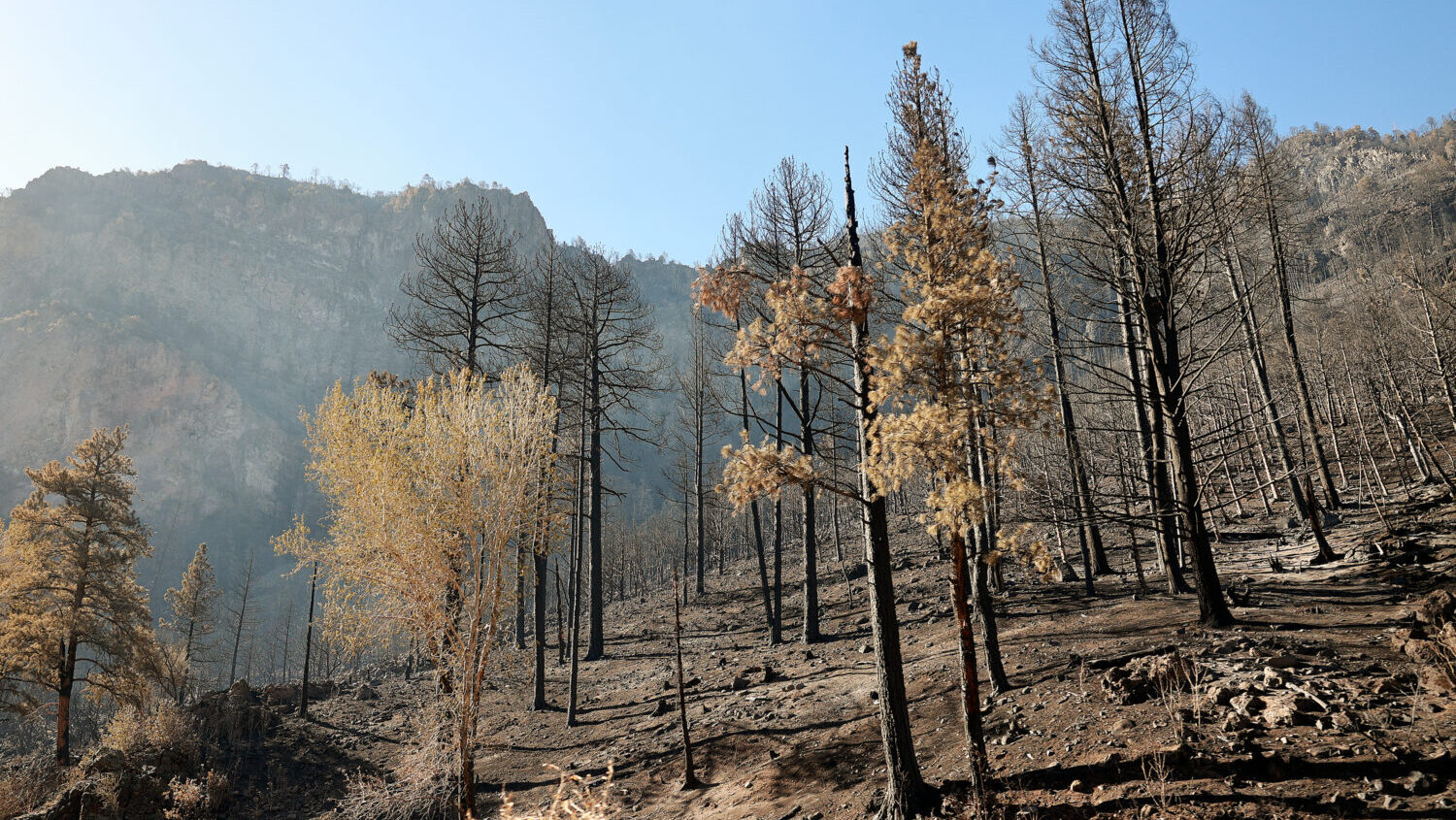
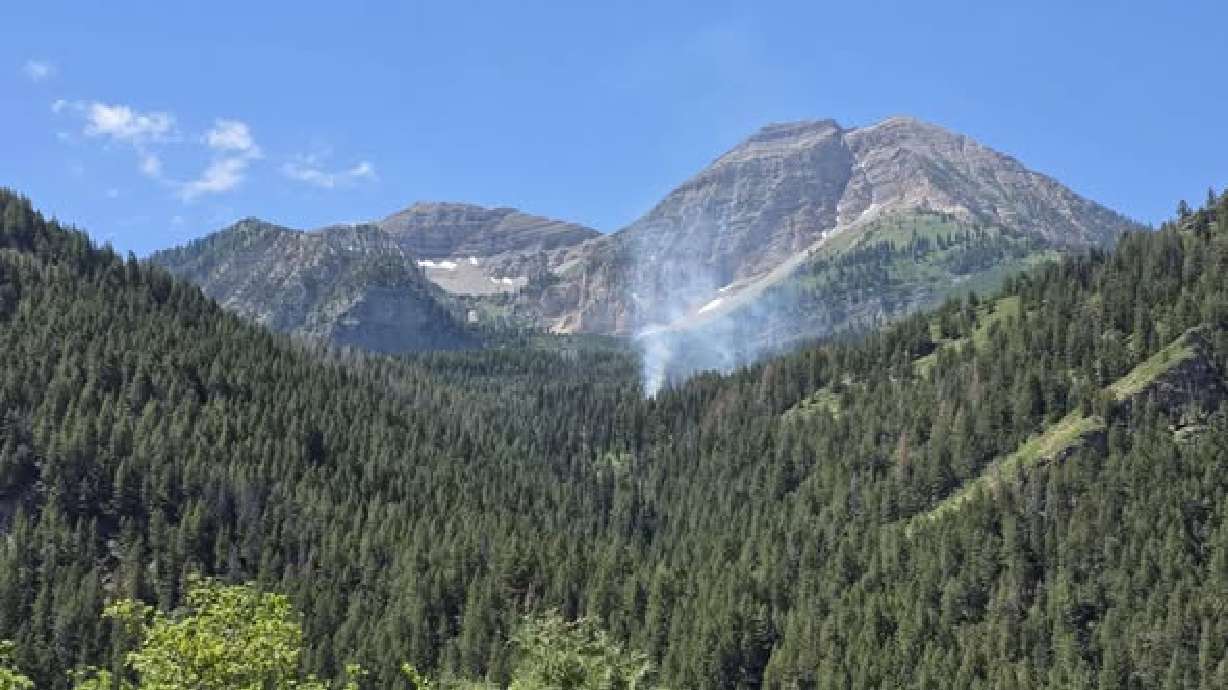
Cox came to Richfield Friday to meet with firefighters, dispatchers and local officials before touring some of the Monroe Canyon Fire operations, as it continues to grow in areas south of Monroe, Sevier County. It scorched nearly 20,000 acres over the past 48 hours, jumping to 55,642 acres since it started on July 13, federal firefighters reported earlier Friday.
Containment of the fire also slipped again, from 11% on Thursday to 7% on Friday, as red flag conditions — a mix of warm temperatures, low relative humidity levels and gusty winds — make for difficult firefighting conditions.
The National Weather Service issued a red flag warning for south-central Utah on Friday, and a similar warning is expected on Saturday.
A vital highway in the area has partially reopened after it was closed again Thursday because of the fire.
One lane of state Route 24 is now open with pilot vehicle escorts in both directions from about Glenwood to Burrville in Sevier County, according to Sevier County Emergency Management. Utah Department of Transportation officials say that it will remain open to local traffic only for the time being.
Officials had closed the highway Thursday evening as the Monroe Canyon Fire approached the road after crossing Bear Valley Road, and it remained closed most of Friday morning. Firefighters were able to prevent the fire from crossing S.R. 24 through containment efforts Thursday night and Friday morning, Great Basin Complex Incident Management Team No. 5 officials reported.
BREAKING, FIRE LINE HELD: The overnight crew did it! Fire fighters were able to hold the line as the Monroe Canyon Fire made a sprint for highway 24! The morning report also mentioned heroic efforts made last night along this active front to save Burrville from fire spotting. pic.twitter.com/MShQBLVSab
— Matthew Johnson (@KSL_Matt) August 1, 2025
It was a win in what has been a difficult week fighting the fire. The team previously warned that there’s a “high likelihood for large fire growth” should the fire jump the other side of the highway.
“That took some strategic backburning and that took some strategic expertise,” said Rep. Carl Albrecht, R-Richfield, who joined Cox at a briefing Friday.
Over 1,200 personnel are now assigned to battle the blaze. Teams were able to stop small fires created by burning embers from the primary fire in the Bagley Ranch area, which continues to be a challenge because of the windy conditions.
Some of the crews were assigned to Burrville, where they “worked diligently” to protect structures and bolster a fire line above the community, the team wrote in its Friday update report. Burrville was one of the areas evacuated on Wednesday.
Another team worked to strengthen a fire line along Little Spring Road by the southeast end of the fire, while ongoing work to protect the Magleby and Manning Meadows areas resumed, the report added.
Power restored to most of Wayne County
Power has been restored to most of Wayne County, Garkane Energy Cooperative reported Thursday night. The south-central power provider was forced to cut off power Wednesday just before the Monroe Canyon Fire burned 12 power poles.
At least two other poles have since burned, but the company brought in several large-scale generators to help restore power to most of Wayne County that was affected by the outage. Officials reported Friday that the fire is still threatening some of its transmission lines, but it’s working to keep the lights on as much as possible while that happens.
It’s unclear when power will be restored to areas of Sevier County impacted by the outage. Some of the communities included in the outage were also evacuated because of the fire.
Dangerous fire conditions remain
Several new fire restrictions are now in place statewide. Stage 2 fire restrictions went into effect Friday across all state and private unincorporated lands, as well as most National Park Service land, and most other federal land across the state.
Stage 2 fire restrictions
- Campfires and pellet or charcoal grills are banned within those areas until conditions improve. “Properly shielded” gas or liquid-fueled camp stoves are permitted as long as they are used away from vegetation.
- Smoking is only allowed within an enclosed vehicle, building, developed recreation site or anywhere that’s away from vegetation.
- No operating a motorcycle, chainsaw, ATV or any other small internal combustion engine unless it has an approved and working spark arrestor.
- Fireworks are not permitted on public lands. (Personal fireworks are also not allowed anywhere in Utah for the rest of the year, per state law.)
The increased restrictions were issued as the state’s drought intensified, increasing fire danger. Extreme drought has returned to pockets of northwest, central and eastern Utah, while severe drought still covers 60% of the state, per the U.S. Drought Monitor. The rest of the state remains in moderate drought.
Cox declared a state of emergency over the state’s escalating wildfire threats on Thursday, which activates Utah’s emergency operations plan, authorizes the deployment of the Utah National Guard if needed and opens up more resource options for local governments impacted by this year’s wildfires.
The governor said the state is well-staffed to fight fires at the moment. It helps that firefighters have been able to mostly contain all the other fires that have broken out this year, which has allowed the state to “throw everything” at trying to stop the Monroe Canyon Fire.
Yet, with the land and weather conditions not providing any favors, he’s concerned that another fire of this magnitude can spark, and that would make it difficult to fight the Monroe Canyon or other large fires. That’s why he’s begging people to make good decisions outdoors, especially since 72% of the state’s fires this year have been human-caused.
Utah Fire Sense tips
- Check fire restrictions ahead of starting a campfire or doing any other activity that could spark a fire. It’s also important to check for red flag warnings.
- Keep all fires to a manageable size. Never leave a fire unattended, and always have enough water available when extinguishing a campfire. Do not burn on windy days, and make sure you have tools to suppress a fire or communication ready before burning something.
- Use the “drown, stir and feel” method when putting out a campfire.
- Make sure there aren’t any chains dragging on your vehicle and that your brakes and other vehicle parts are properly maintained.
- Never park on or drive over dry vegetation.
- Only target shoot in areas where it is allowed. Use an appropriate backdrop away from rocks or vegetation. Bring a shovel and water or a fire extinguisher with you when shooting outdoors.
- Exploding targets are not allowed on any public lands. Fireworks are also prohibited on all public lands, and are only permitted in some areas at times in July to celebrate the Fourth of July and Pioneer Day.
- More tips can be found at utahfiresense.org.
He’s also worried about what happens after the fire, which is something he said the state will explore.
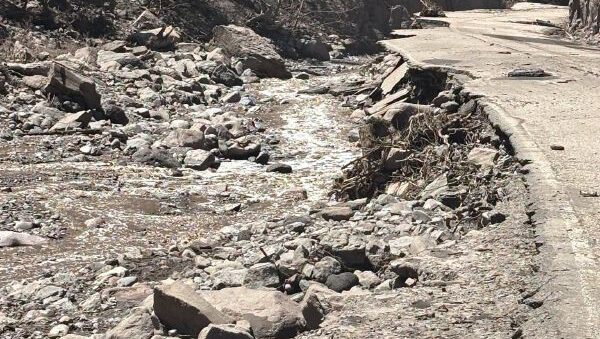
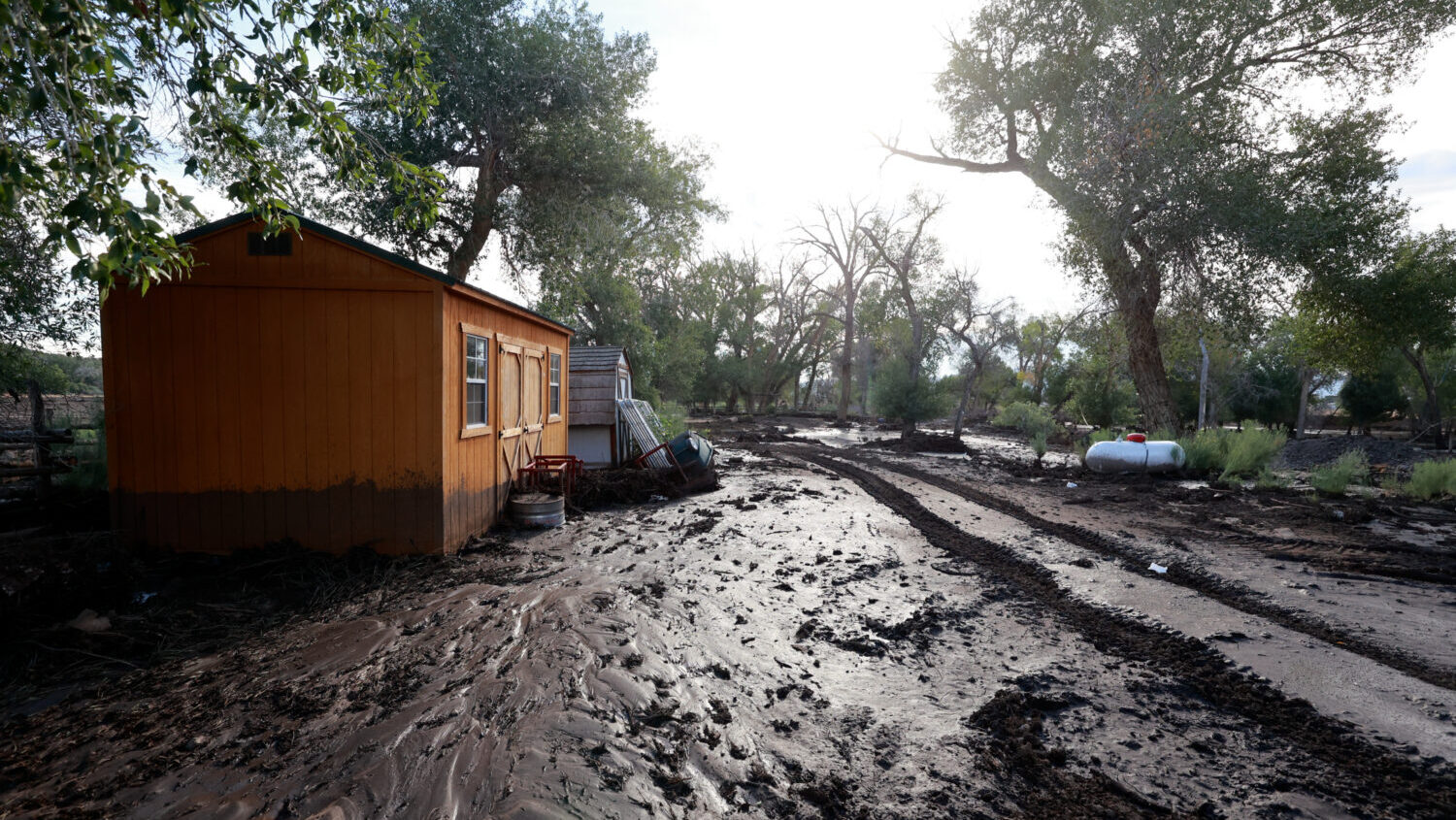
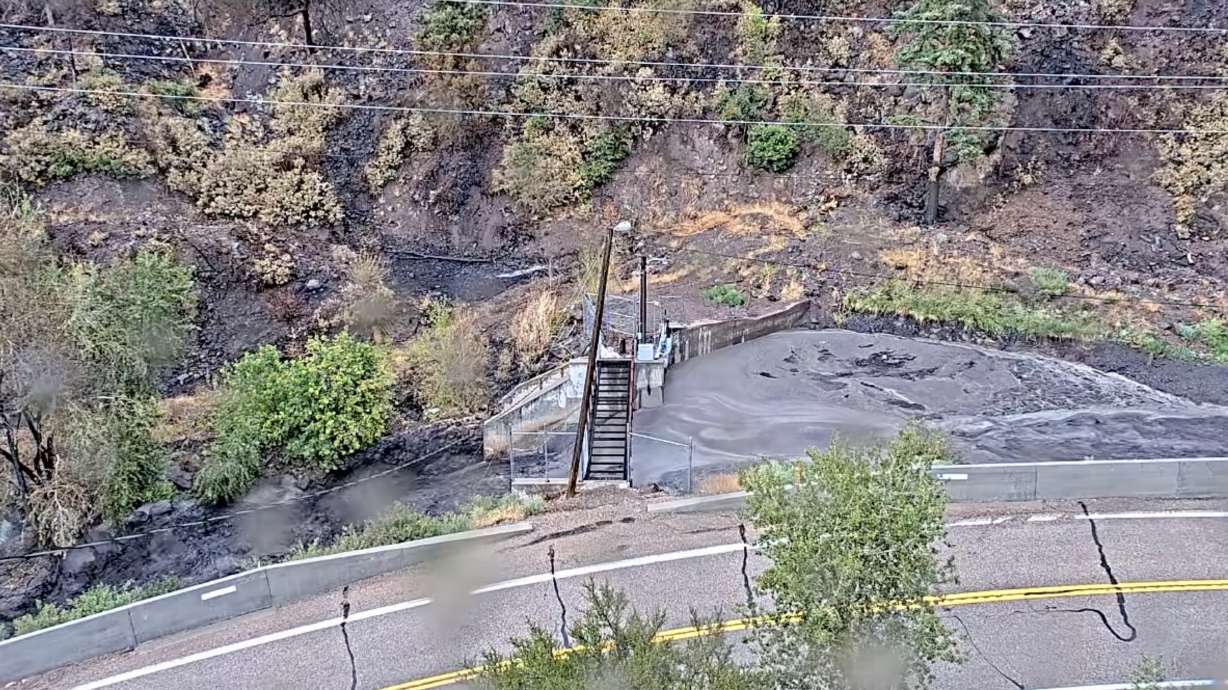
This year’s fires have burned down dozens of homes and cabins because some have started near communities. A fire’s burn scar can make the area around it susceptible to flooding for years after the fire, which can also impact structures and the community’s water supply as much as a fire itself.
“That’s where we need more resources,” Cox said. “We’re going to be working with the Legislature to make sure that we can get those resources (and) working with our federal partners, as well.”