Disaster recovery expert explains why flooding after the Cottonwood Fire creates new challenges in Beaver County
Jul 21, 2026, 4:20 PM
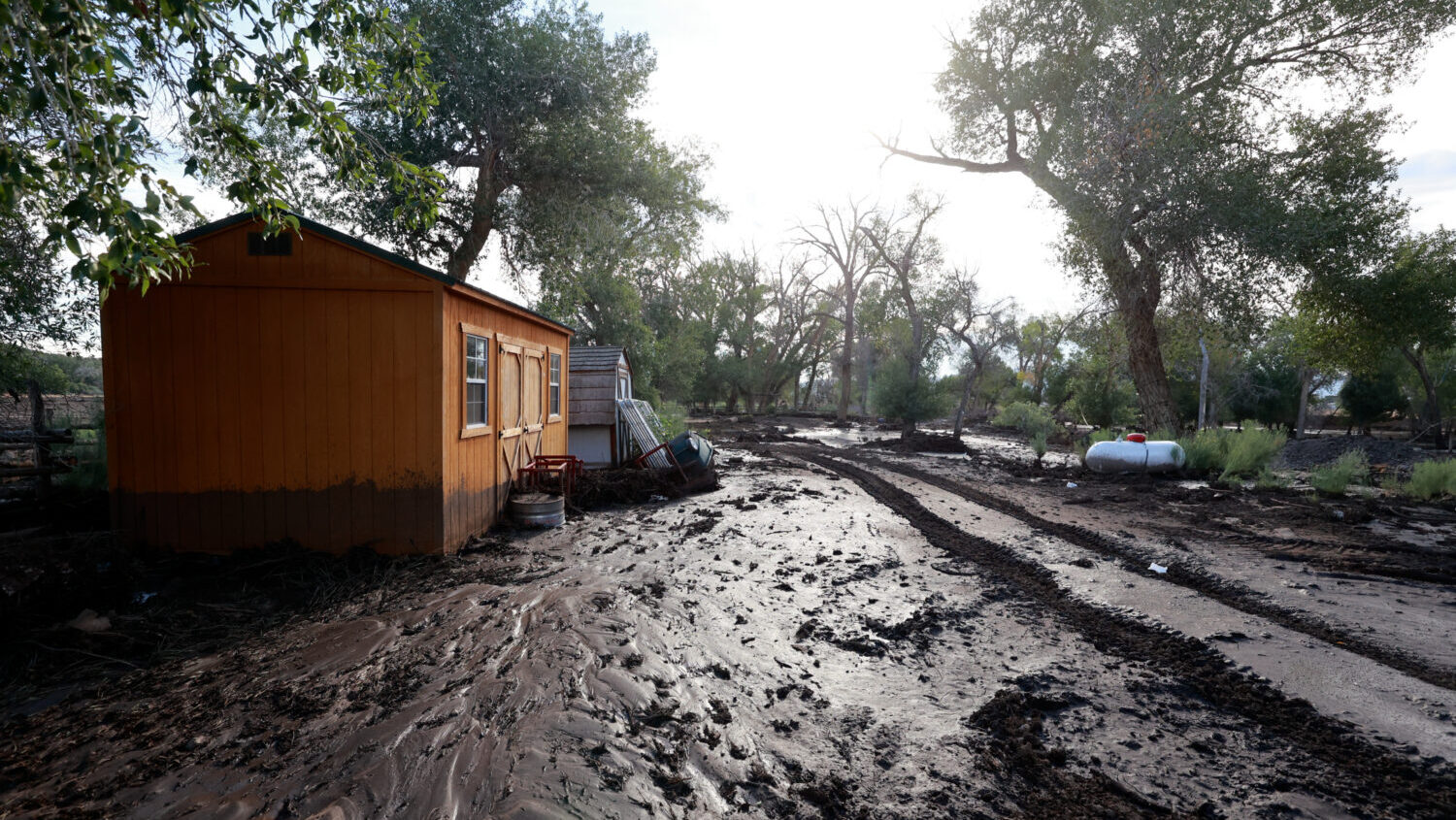
Mud is pictured after flooding and wildfire in Beaver on Monday, July 20, 2026. (Kristin Murphy, Deseret News)
(Kristin Murphy, Deseret News)
BEAVER — About a month after the Cottonwood Fire burned through parts of Beaver County, heavy rain created a new challenge for residents still trying to recover.
Flash flooding and debris flows moved through portions of the burn scar, damaging homes, impacting roads and prompting evacuations. State and local officials have since taken emergency actions to support recovery efforts.
While the wildfire may be over, disaster recovery experts say the danger can continue long after the flames are extinguished.
Why flooding becomes a concern after a wildfire
Many people assume the threat ends once firefighters contain a wildfire. Tony LaRocca, who oversees the housing division for Alacrity Solutions, a company that works with insurance providers to help place displaced homeowners and businesses in temporary housing after disasters, said that’s often when a different kind of risk begins.
“A healthy hillside typically acts like a sponge,” LaRocca said. “After a wildfire, that sponge is gone. The ground becomes hardened, vegetation is destroyed, and even a relatively short rainstorm can trigger flash flooding and debris flow.”
He said vegetation normally slows rainfall, absorbs water and helps stabilize the soil. Once that vegetation burns away, rainwater runs off much faster, carrying mud, rocks, burned trees and other debris downhill.
LaRocca said burned landscapes can remain vulnerable for years after a wildfire, leaving communities at risk during heavy rain events.
While Beaver County is now experiencing that reality, he said it’s a pattern seen after major wildfires across the West. Even a brief summer thunderstorm can trigger dangerous flooding and debris flows once vegetation has been stripped away.
Recovery doesn’t stop when the fire is out
For many residents, the flooding comes just as they were beginning to recover from the wildfire.
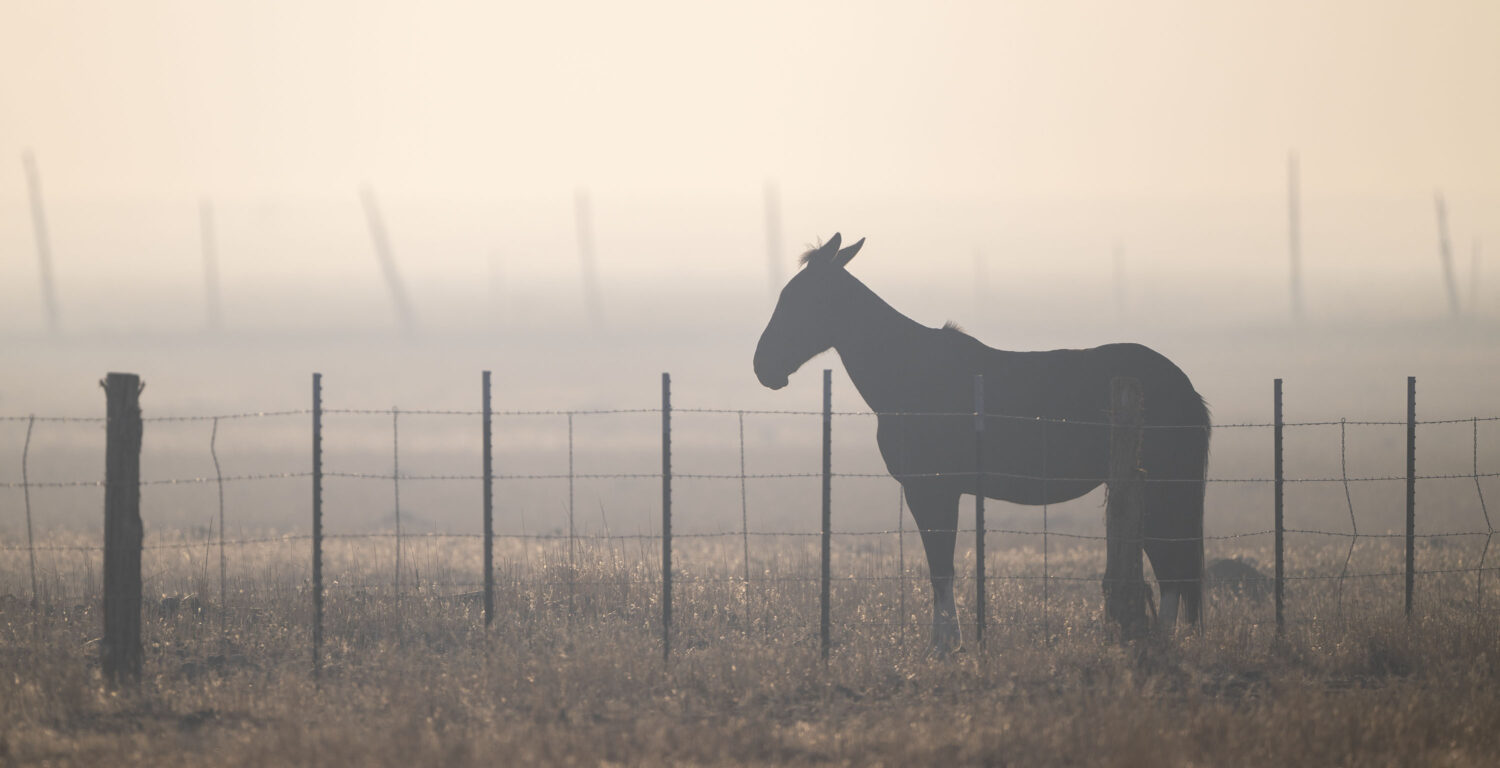
A horse stood in the smoke from the Cottonwood Fire as it burned east of the town of Beaver on Wednesday, July 1, 2026. (Scott G Winterton, Deseret News)
“A double disaster for many families is just unthinkable,” LaRocca said. “They’re already navigating home repairs, insurance claims, temporary living arrangements and rebuilding plans. Then flooding creates a whole new layer of uncertainty and disruption.”
He said many families believe they’re finally beginning to move forward. Then, another disaster interrupts that progress.
“The emotional toll is very significant,” he said. “Wildfire recovery is already exhausting. Then flooding leaves families facing additional property damage, road closures and displacement. It disrupts your entire lifestyle.”
LaRocca said one experience has stayed with him.
“We’ve even had some residents that had a fire, we put them in temporary housing, and another fire came through and took that temporary housing away,” he said.
He said experiences like that illustrate how recovery can be unpredictable and why rebuilding often takes much longer than people expect.
Temporary housing can last months or even longer
LaRocca’s organization works with insurance companies to help families and businesses find temporary housing after disasters.
How long someone remains out of their home depends largely on the amount of damage and the details of their insurance policy.
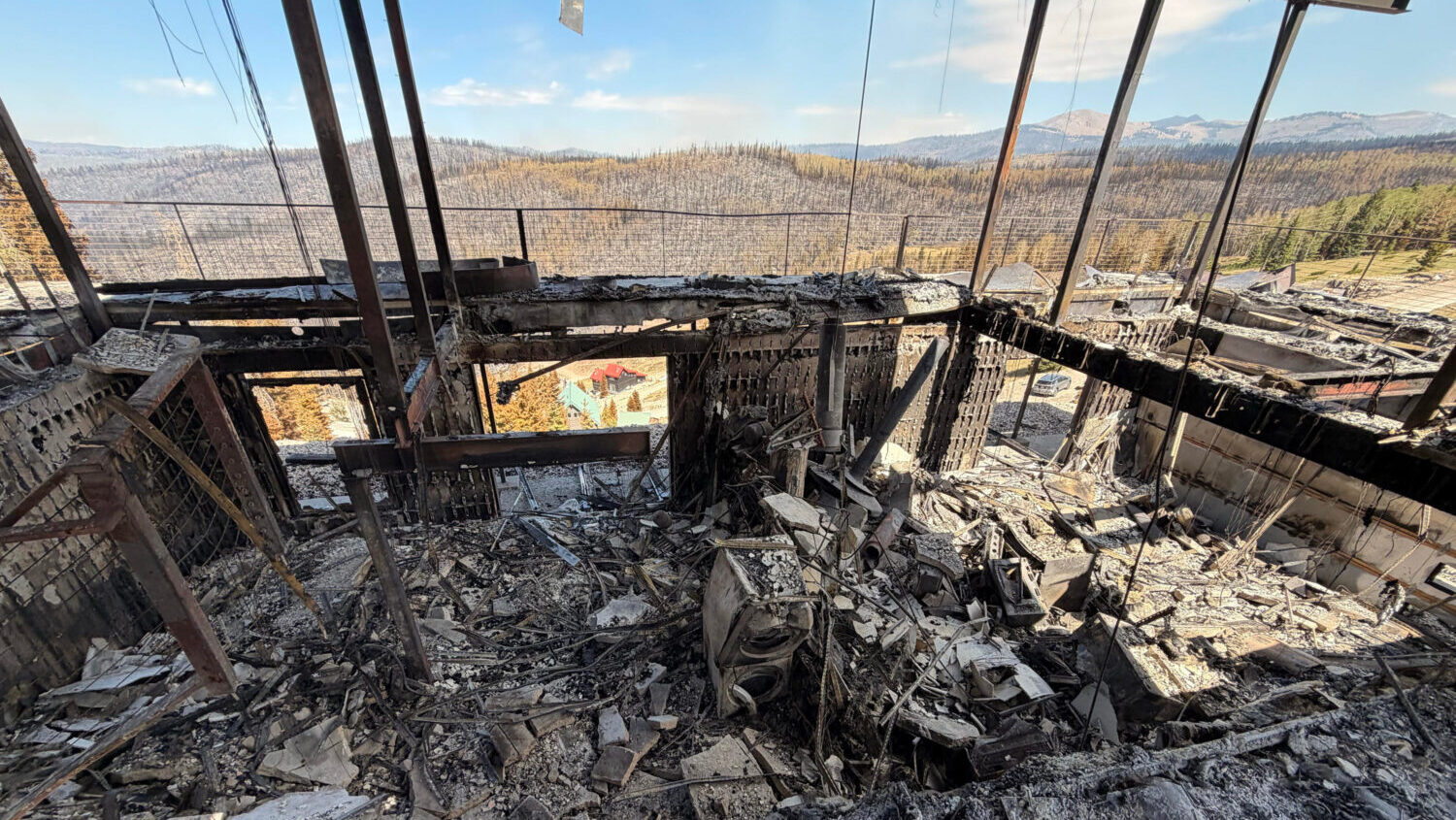
Charred remains of houses and vehicles are all that is left in Eagle Point Resort’s West Village outside of Beaver Tuesday, June 30, 2026, after the Cottonwood Fire torched much of the area. (Photo credit: Steve Mayer)
Smaller losses may require temporary housing for only a few weeks, while major disasters that require rebuilding can leave families displaced for a year or longer.
He also said that insurance doesn’t always cover wildfire and flooding the same way.
LaRocca said many homeowners carry insurance that covers wildfire damage, but flood coverage is typically a separate policy and is often less common outside designated flood zones. That can leave some homeowners facing unexpected financial challenges after heavy rain.
What an emergency declaration can do
LaRocca said emergency declarations do not immediately change conditions on the ground, but they often help bring additional coordination and resources to disaster-stricken communities.
“Emergency declarations often unlock additional resources and coordination at the local, state and sometimes even the federal level,” he said. “The goal is to bring more resources to impacted communities.”
While the specifics vary depending on the declaration, he said the added coordination can help communities move more quickly through the recovery process.
Recovery is measured in months, not days
LaRocca said one of the biggest misconceptions after a disaster is how quickly life returns to normal.
Recovery often stretches over months — and sometimes years — especially when multiple disasters affect the same community.
“Recovery isn’t always quick,” LaRocca said. “But with the right support, resources and temporary housing solutions, families can begin to regain stability while they rebuild their homes and their lives.”
Advice for families beginning recovery
As cleanup begins, LaRocca said safety should come before cleanup.
“Focus on safety first and documentation second,” he said. “Don’t enter damaged areas until they’re declared safe, and make sure you thoroughly document any damage with photos and videos.”
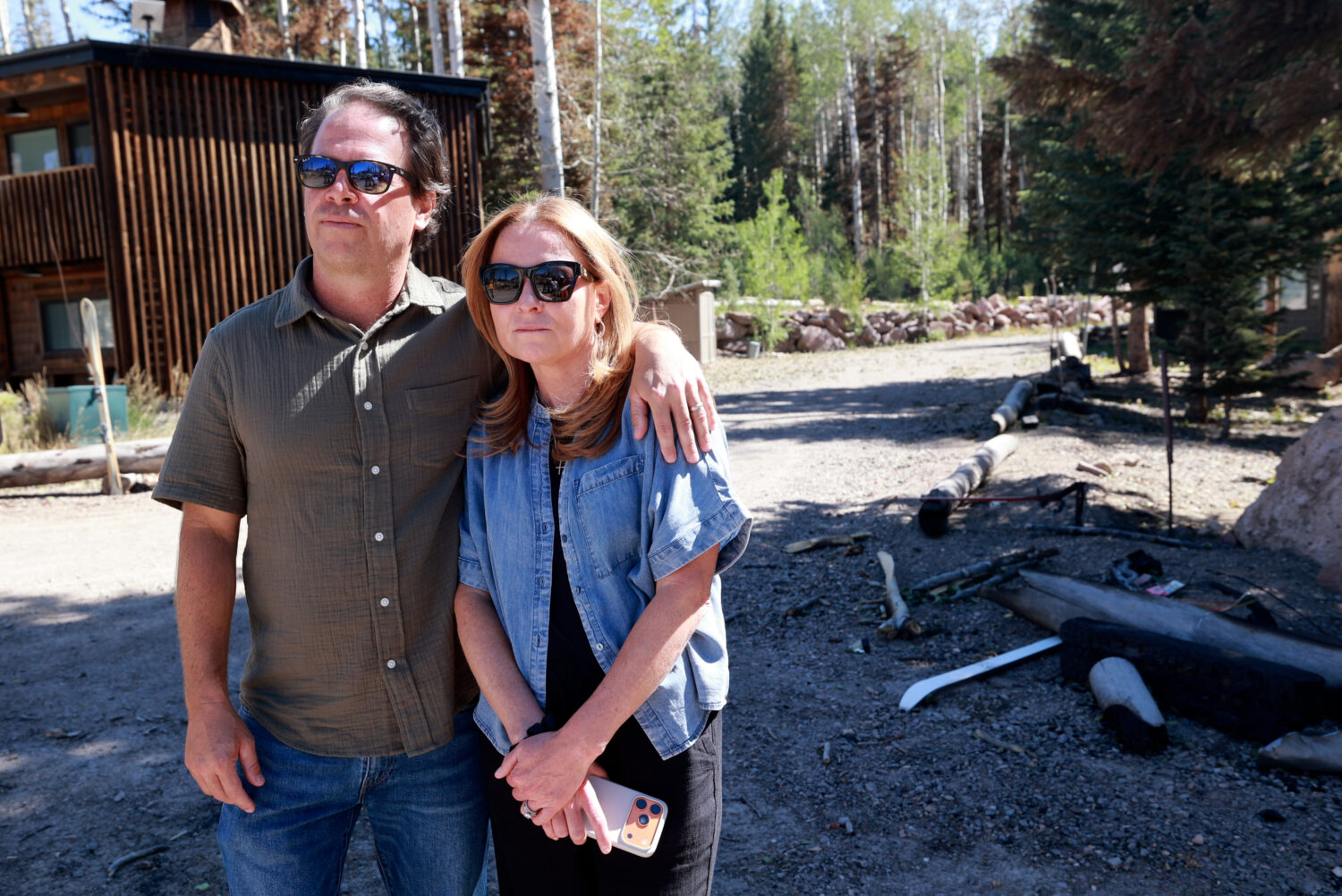
Shane and Kini Gadbaw, Eagle Point Ski Resort owners, listen to an interview with a Fish Lake National Forest agency administrator at Eagle Point Ski Resort in Beaver County on Thursday, July 9, 2026. The Cottonwood Fire damaged much of the resort. (Kristin Murphy, Deseret News)
He also recommends homeowners contact their insurance provider as early as possible to begin the claims process and better understand what assistance may be available.
“The earlier you begin that process, the easier it is to understand what’s available and make informed decisions,” he said.