Utah postal workers rally to oppose privatization, concerned that rural communities could be affected
Jul 28, 2026, 5:09 PM
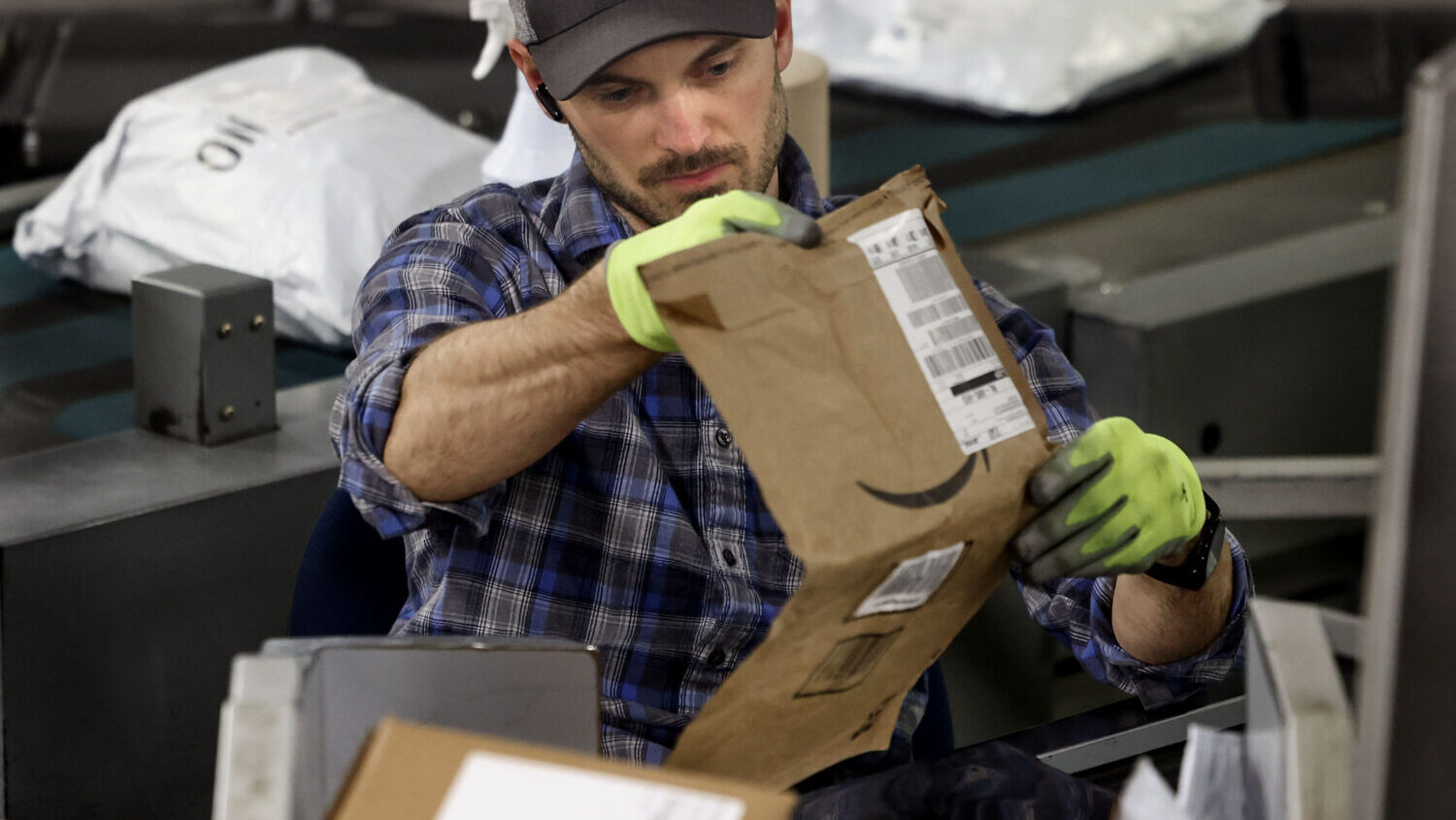
Bryan Freeborn works at one of the package sorting machines at the United States Postal Service Priority Mail Center in Salt Lake City on Thursday, Dec. 8, 2022. (Laura Seitz, Deseret News)
(Laura Seitz, Deseret News)
SALT LAKE CITY — Postal workers gathered outside the Salt Lake City Main Post Office on Tuesday as part of a nationwide day of action organized by the American Postal Workers Union. The group is urging Congress and the public to keep the U.S. Postal Service publicly operated.
Postal union members said they’re concerned about efforts they believe could lead to privatization of the Postal Service, arguing it could increase costs, reduce service and disproportionately affect rural communities in Utah.
Related: Postal service plans to open last-mile delivery network to more shippers
“It matters because we’re here to protect our public post office,” said Sabrina Larsen, clerk craft director for the Salt Lake Area Local 6 of the American Postal Workers Union. “The Postal Service is the bedrock of American life.”
The Salt Lake rally was one of dozens held across the country Tuesday where union members called for continued public investment in the Postal Service. Rally participants encouraged people to contact their members of Congress in support of keeping it public.
Why postal workers are concerned
Larsen said one of the union’s biggest concerns is maintaining what the Postal Service calls “universal service” — the obligation to deliver mail to every address in the country six days a week.
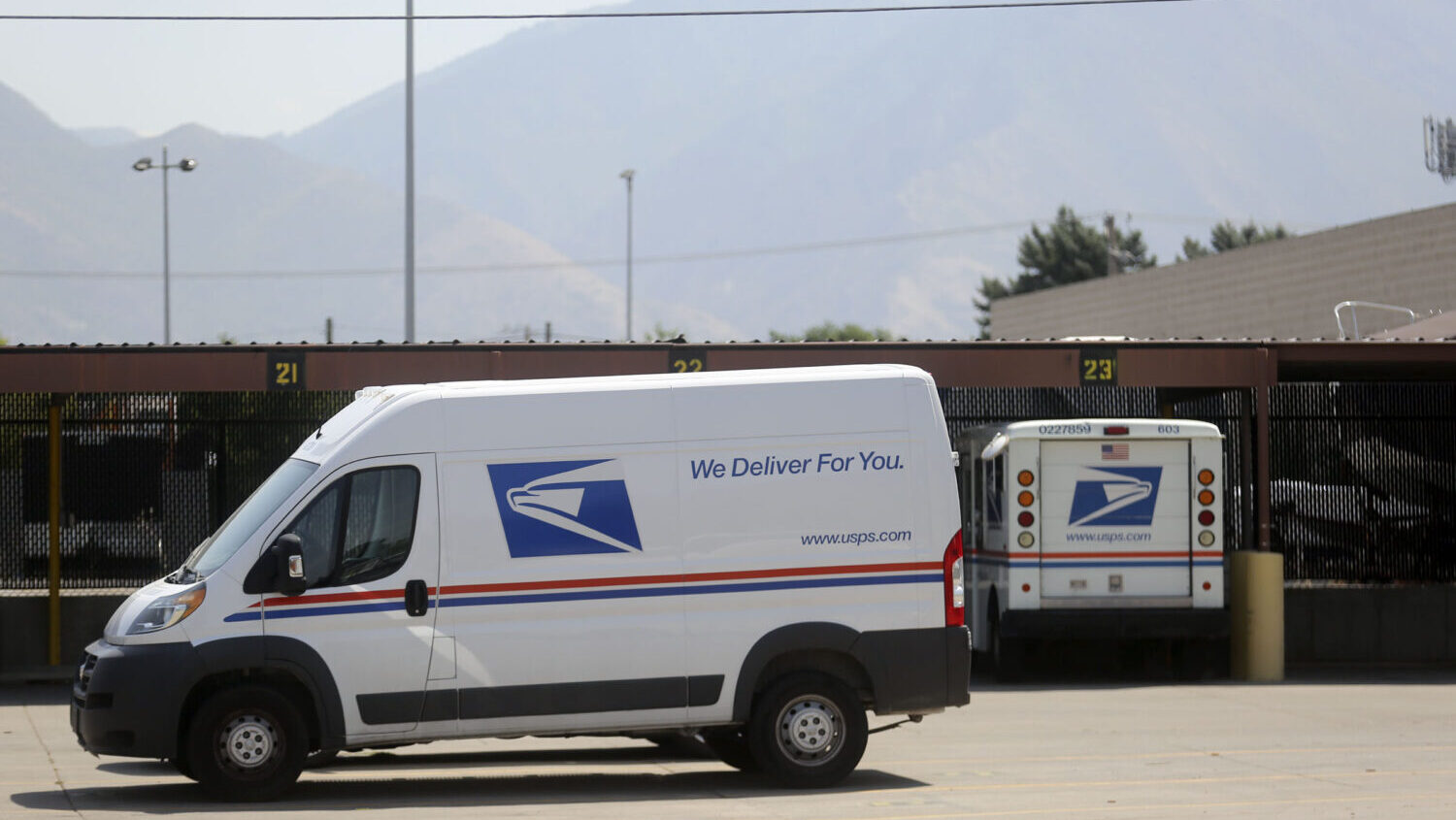
U.S. Postal Service vehicles are parked outside of the post office in South Salt Lake on Tuesday, Aug. 18, 2020. (Kristin Murphy, Deseret News)
She argued privatization could make it harder to maintain service in less-populated areas of the state.
“Utah in itself has a lot of rural areas and privatizing the post office would really hurt those communities,” Larsen said. “They would not get the same services that they get now.”
Related: US Postal Service pushes safety after dozens of dog attacks in Utah
She also expressed concern that private ownership could lead to higher prices and fewer services in communities that are less profitable to serve.
Those who support privatization, including President Donald Trump, the Cato Institute have argued it could improve efficiency and reduce costs by introducing greater competition and private-sector management. Opponents, including postal unions, argue the changes could increase costs for customers and reduce service, particularly in rural communities where delivery is more expensive.
Postal Service funding
Larsen also said many people mistakenly believe the Postal Service is primarily funded by taxpayer dollars.
Instead, USPS largely funds its operations through the sale of postage, shipping services and other products rather than annual congressional appropriations.
“We don’t take taxpayers’ money,” Larsen said. “We fund ourselves through the sales of stamps and our package services.”
Mail-in voting also a concern
Larsen said the union is also concerned about protecting mail service used by Utah’s vote-by-mail system.
She argued voting by mail helps seniors, veterans, people with disabilities and others who may have difficulty voting in person. Opponents of mail-in voting say it creates election-integrity concerns and opportunity for fraud, as well as delays in election result reporting.
Related: Trump administration cuts number of sites for testing the 2030 census, focusing on the South
Utah has conducted elections primarily by mail for more than a decade, with voters receiving ballots through the Postal Service before Election Day.
Looking ahead
Organizers said they expected between 30 and 50 people to attend the Salt Lake rally and handed out informational flyers to passersby.
They also called on Utah residents to contact their elected officials in support of maintaining the Postal Service as a public institution.
“As a Postal Service, we serve our customers and our communities,” Larsen said. “We serve everybody … and make sure that every single address in the United States gets their mail.”