Coal’s economic impact on Carbon and Emery counties
Aug 12, 2026, 6:01 PM | Updated: 6:02 pm
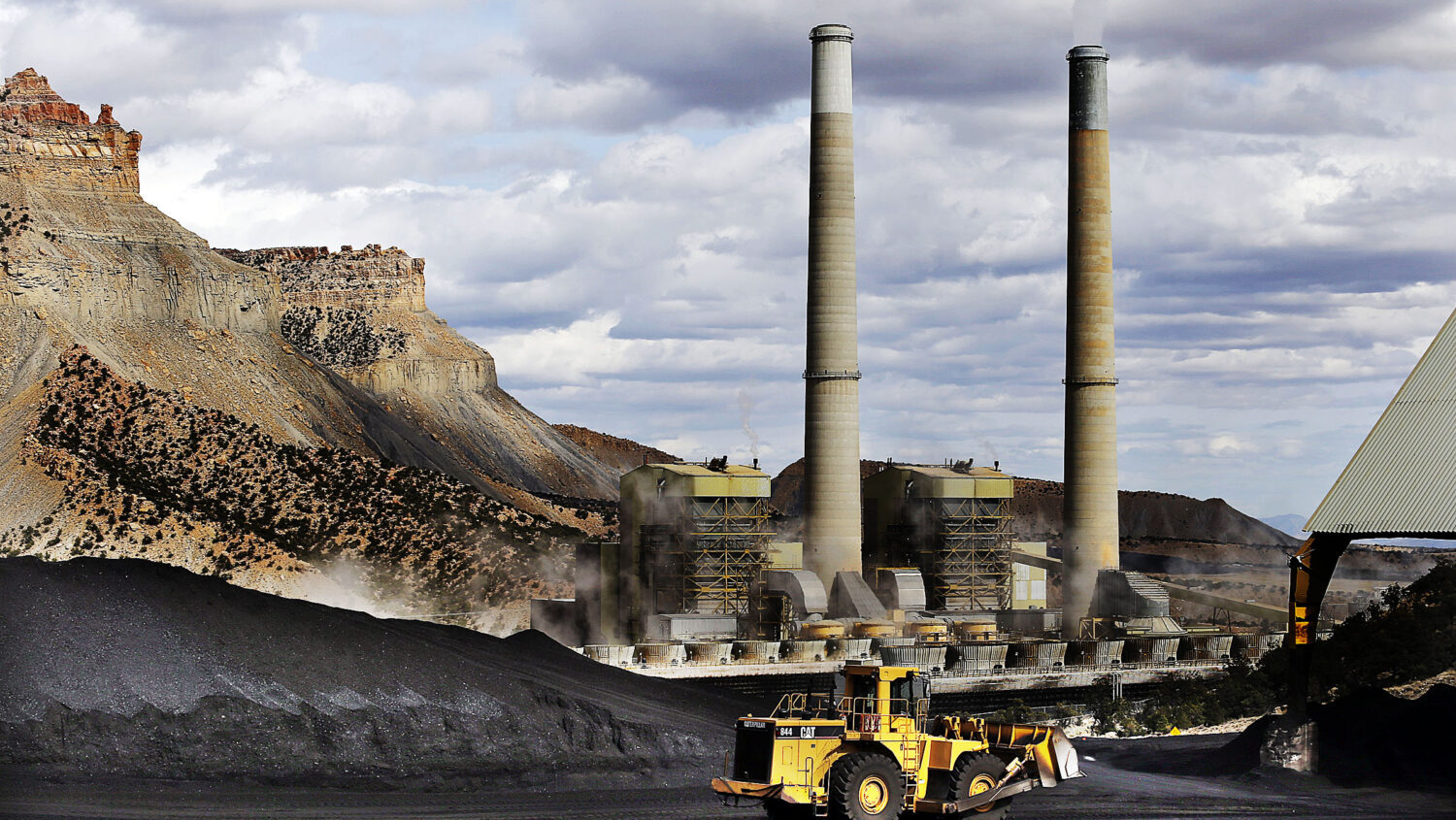
FILE: A loader moves coal at the Huntington power plant in Huntington, Tuesday, March 24, 2015. (Ravell Call, Deseret News)
(Ravell Call, Deseret News)
SALT LAKE CITY — Carbon and Emery counties would be economically devastated if the Hunter and Huntington Power Plants were to shut down, a review by the University of Utah and the Kem C. Gardner Policy Institute found.
The authors of the review concluded that if the plants shut down nearby coal mines would also shut down, that cumulatively (between 2042 to 2060) the area would lose about 7,500 jobs, that statewide GDP could drop by $2.9 billion, and that Emery County could see out-migration of about 4,500 residents over the same period.
Related: KSL News Daily: The nuclear debate Utah can’t avoid
Close to home
The study was conducted for the U.S. Department of Energy project, “Charting a Path Forward: Energy and Economic Transition Pathways for Utah’s Coal Country.”
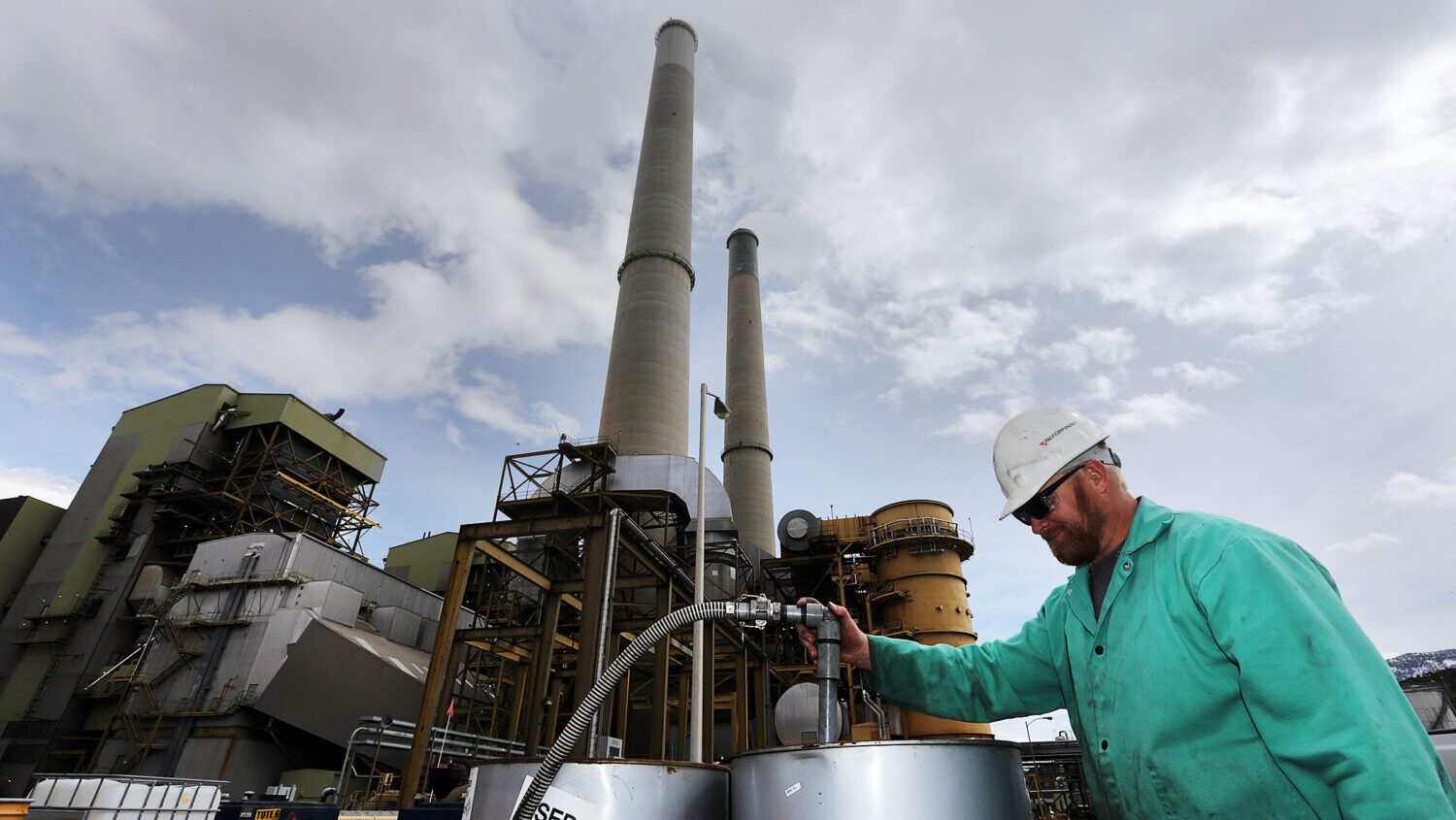
Russ Willson moves used oil for recycling at the Huntington power plant in Huntington, Tuesday, March 24, 2015. (Ravell Call, Deseret News)
Kody Powell is one of the study authors as well as an associate professor in the Department of Chemical Engineering and the Associate Director of the Energy and Geoscience Institute at the University of Utah. Powell said that the study results hit close to home.
Related: Wyoming’s first new coal mine in decades to extract rare earths
“I grew up in Emery County where a huge portion of friends and people that I knew from high school go into the coal mines or the coal power plants,” he told KSL. “My father worked for the Huntington power plant for most of my life when I was growing up. My mother also worked there. So, energy has always kind of been in my DNA.”
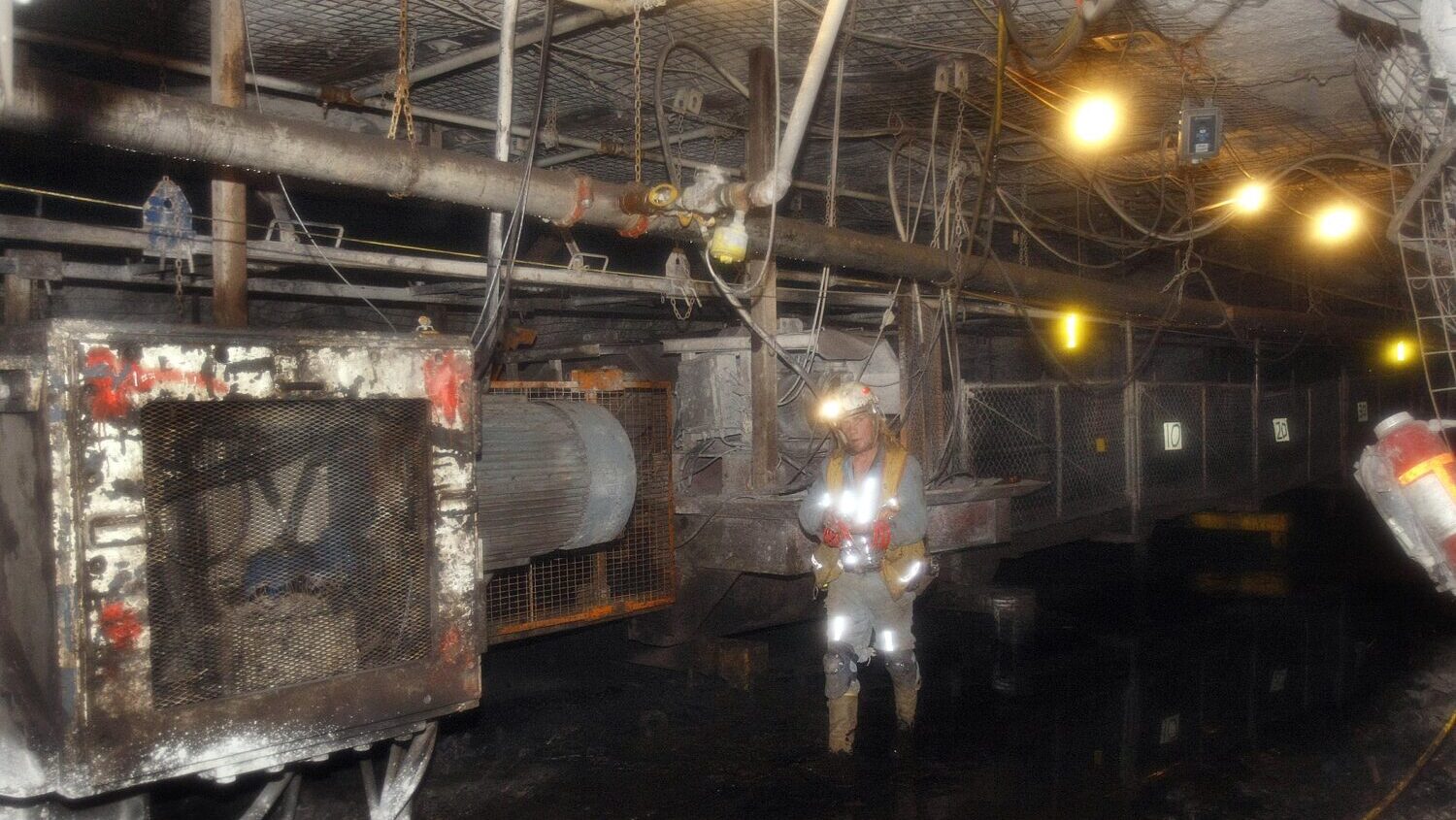
FILE: A coal miner inspecting a conveyor belt inside the Deer Creek Mine in Huntington, Utah, that is moving coal about 15 miles out of the mine to the surface and main entrance, where the coal is then broken down into smaller pieces and moved down the canyon via a conveyor belt to the Huntington Power Plant (Stuart Johnson, Deseret News)
With many of the jobs in Castle Country (Emery and Carbon Counties) related to either energy, utilities, or the mining industry, job losses could be devastating to the communities.
“Our study found that if there wasn’t an economic replacement, that region would lose roughly 3,200 jobs between Carbon and Emery County.”
“That’s quite a large percentage given that it’s rural Utah and also that these are … really high-quality jobs. … You can’t replace these with tourism jobs or call center jobs.”
Tracking the repercussions of power plants
The Kem C. Gardner study was not conducted to advocate for replacing either power plant. Rather, the authors were charged with charting the repercussions that would come from the closures.
Related: The future of coal: How will areas of rural Utah be affected?
The two counties are “about 12 times the state average in terms of the concentration of jobs that are energy related,” Powell said. “So, if something majorly disruptive happens to the coal industry, it’s going to impact these communities a lot harder than a similar disruption might have in other parts of the state.”
Were both power plants to close, Powell said the job losses would be reflected in multiple economic communities.
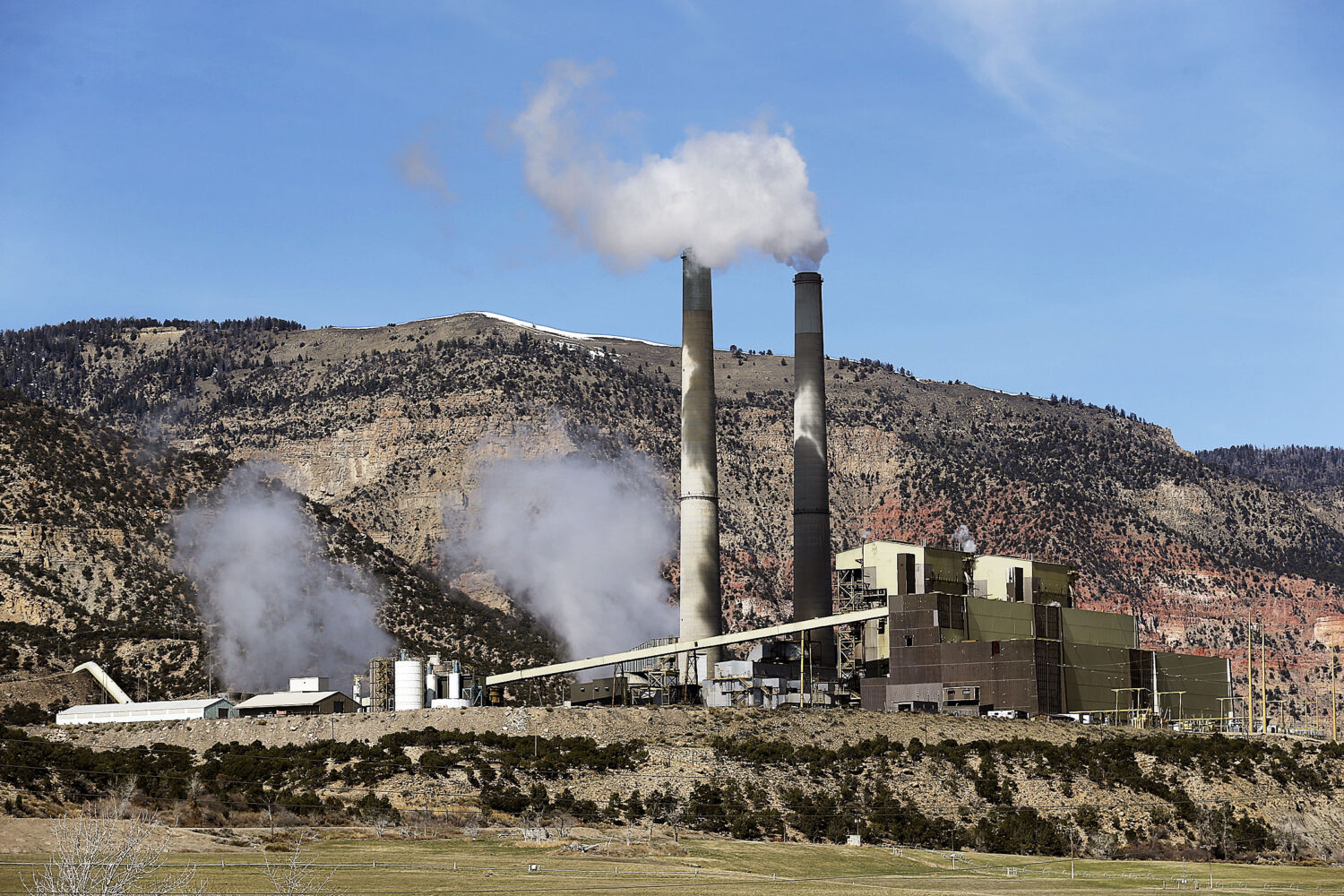
The Huntington power plant in Huntington, Wednesday, March 25, 2015. (Ravell Call, Deseret News)
“I know people who may not work directly in the mine, but they run a small business that is manufacturing specialized equipment that goes into the mines. So, it’s not just people working directly for the plant or the mines, it’s also people who have built a small business that is dependent on the power plants or the mines.”
What are the alternatives?
Solar
Powell said he was not saying we should abandon renewable energy but should instead be looking to develop multiple forms of energy. “In today’s world, there really still is a role for dispatchable energy sources.”
Surprisingly, the power plants themselves can work as a team with renewable energy options.
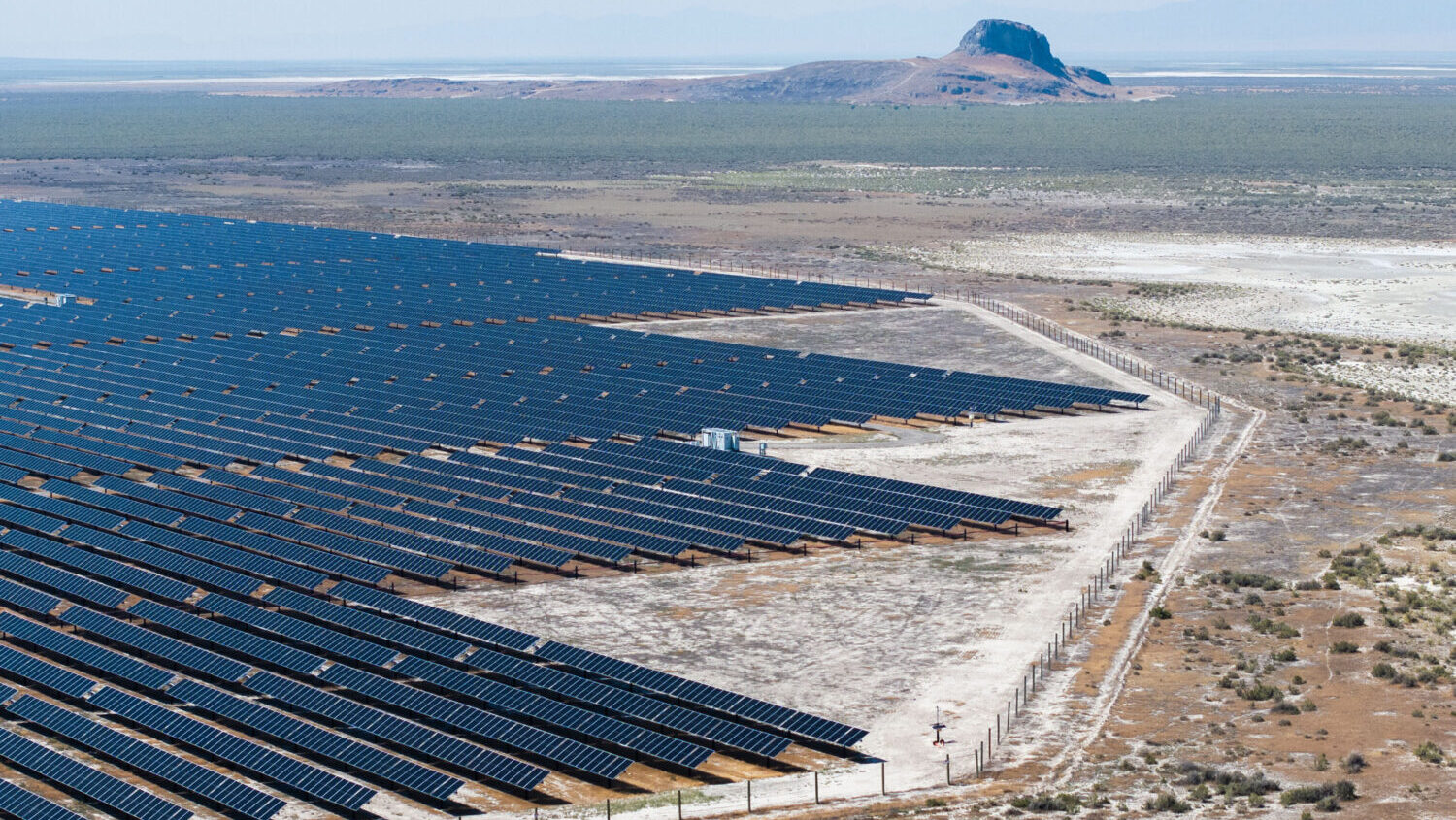
The Horseshoe solar farm that is owned by Desri and operated by Solv Energy in Tooele County on Monday, Aug. 3, 2026. (Scott G Winterton, Deseret News)
“These coal power plants have actually demonstrated a remarkable resilience to ramp up and down dramatically in ways that these plants were not designed. It’s actually been a really cool story that one of the reasons we’re able to have so much solar on our grid is because these plants have become so flexible that they can ramp down when solar ramps up.”
Related: Price mayor: Trump’s push for more coal production will be good for Utah
In Emery County alone, the newly online Green River Energy Center, which features nearly one million solar panels, stretches across more than 2,500 acres. In May 2026, Grist reported that the panels “produced 1 terawatt hour, which “represents nearly a third of all electricity generated in the state that month.”
Nuclear
Nuclear power has been getting a lot of attention in Utah, spurred by the “Operation Gigawatt” initiative that Gov. Spencer Cox announced in 2024. To “power Utah into the future,” the operation seeks to:
- Increase transmission capacity
- Expand and develop more energy production
- Enhance Utah’s policies to better enable clean, reliable energy like nuclear and geothermal, and
- Invest in Utah innovation.
Powell supports building nuclear power plants in Emery or Carbon counties.
“Nuclear would be a huge win for that community in my opinion … But our study found that nuclear doesn’t fully offset what you would lose from coal.”
Taking some time to get it right
When Gov. Cox announced “Operation Gigawatt” in 2024 a press release indicated that the goal was to double Utah’s power production over the next 10 years. And Powell said he’s good with that timeline.
“I do believe in this idea of energy abundance, and I think it’s vital to our way of life. But I also think it’s okay to take a little bit of time to thoroughly analyze these projects and get stakeholders involved and help people appreciate the complexity and the trade-offs that happen for each of these projects.”
“We’re at this watershed moment where because of AI and data centers and the crazy amounts of energy that they consume, Utah is going to have to ramp up dramatically in the way that we generate energy.”