SLC firefighters take CHAT social workers to emergencies. Here’s why it’s working
Aug 19, 2026, 3:35 PM
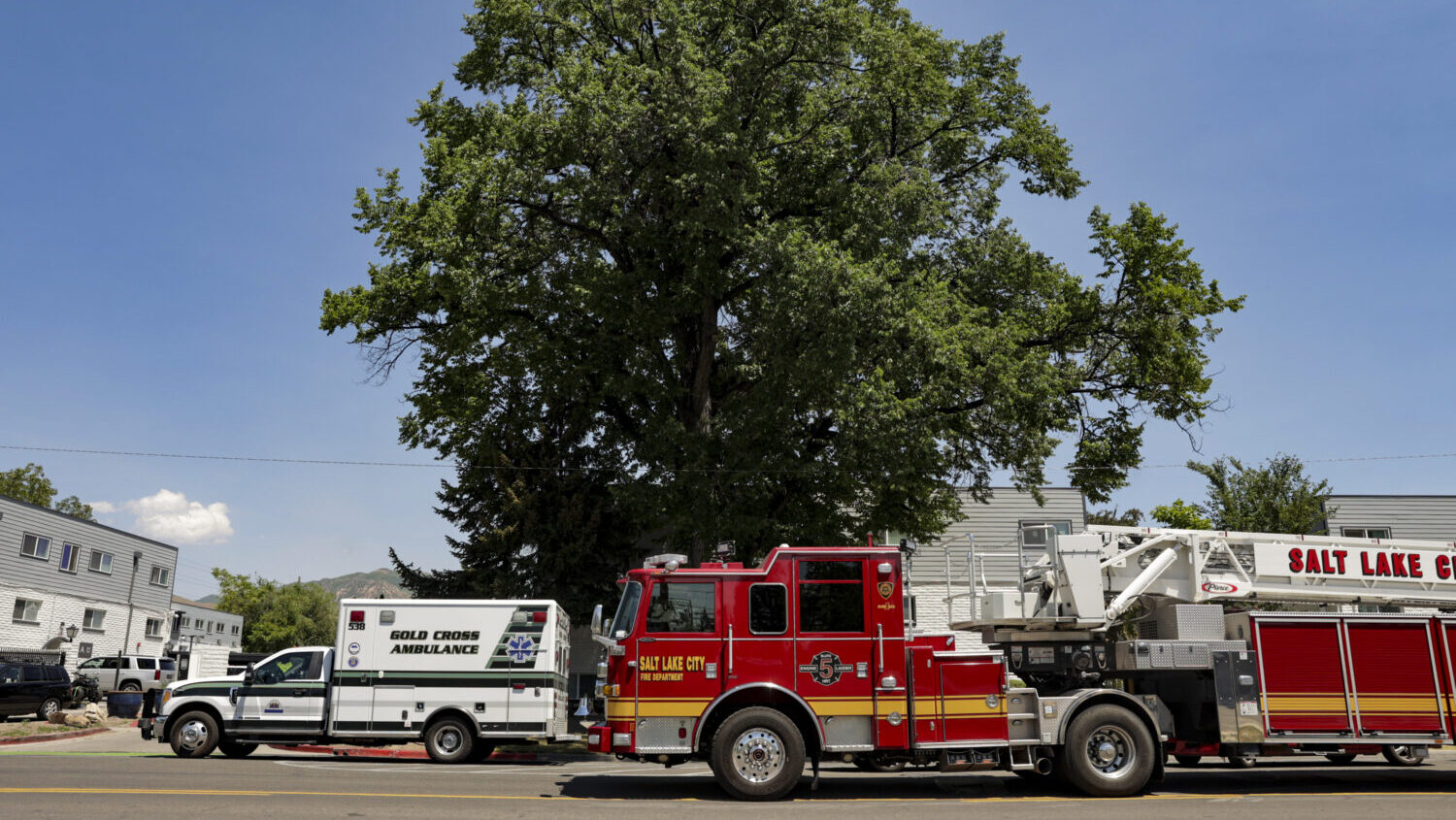
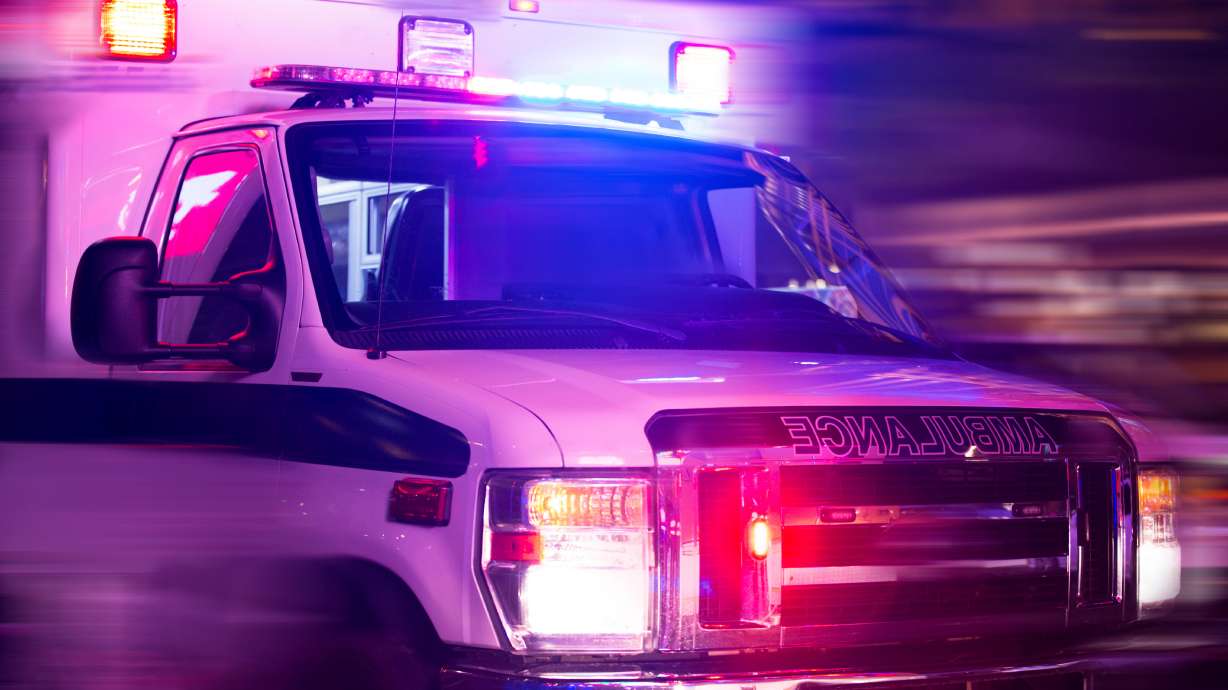
FILE: A Salt Lake firetruck and an ambulance are pictured outside of an apartment fire in Salt Lake City on June 26, 2022. Salt Lake City firefighters are sending CHAT mental health professionals to emergency situations along with first responder crews. (Mengshin Lin, Deseret News)
(Mengshin Lin, Deseret News)

SALT LAKE CITY — Salt Lake City firefighters have been sending mental health professionals along with their crews when they head out to emergencies.
The Community Health Access Team — or CHAT — embeds social workers with fire crews so that mental and emotional treatment for victims, family members and witnesses can start right away instead of hours or days later.
“We want to meet them in their moment in the crisis and start the work,” said Division Chief Kyle Lavender of the Salt Lake City Fire Department.
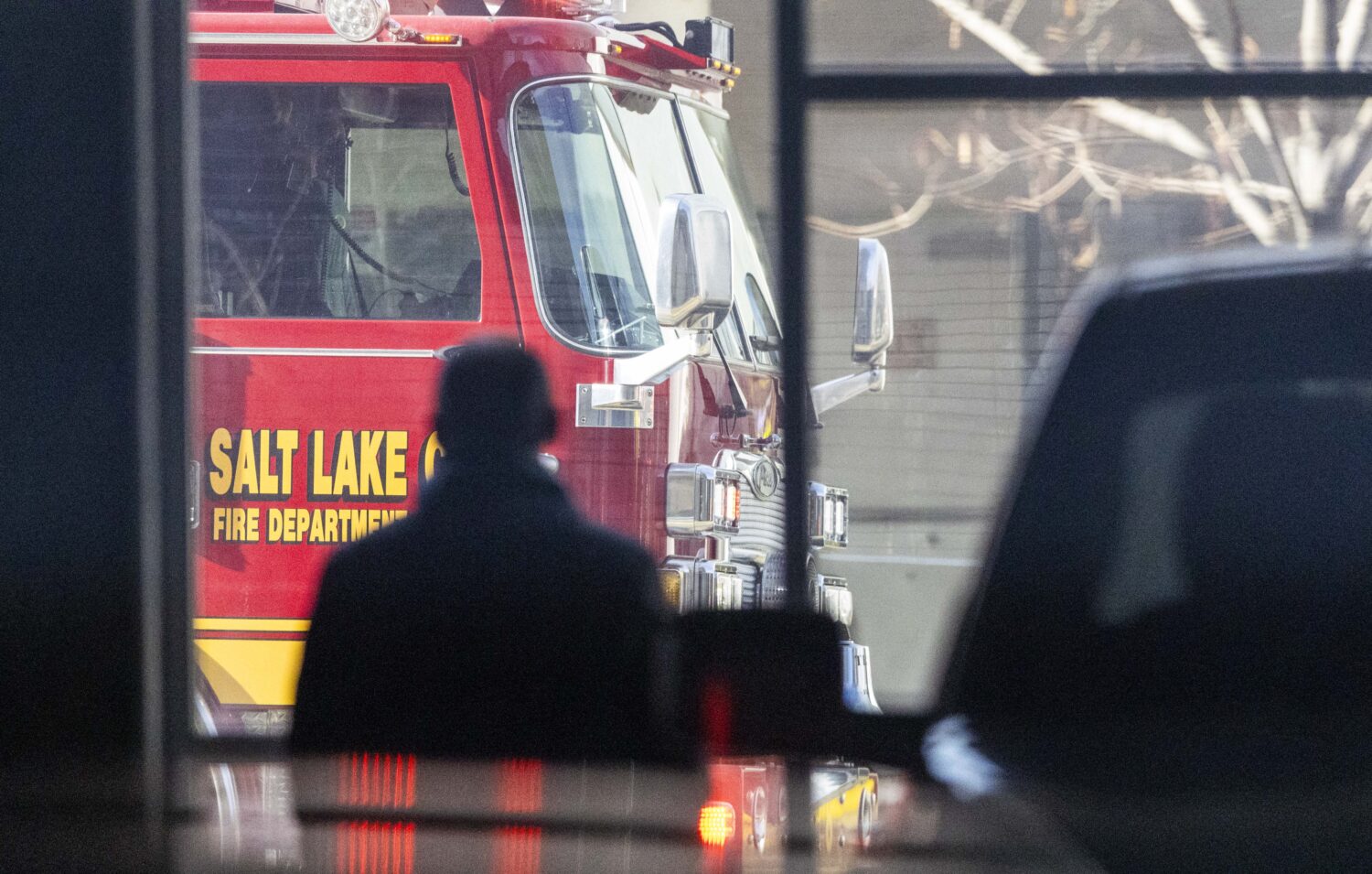
FILE: A resident watches from their parking garage while Salt Lake City Fire Department crews put out a four-alarm commercial firein Salt Lake City on Thursday, Dec. 19, 2024. (Brice Tucker, Deseret News)
Instead of offering mental health treatment after the trauma, CHAT is able to help people while the crisis is still happening.
“Picture for a moment that you’re in your house and a loved one has a cardiac arrest event and is passing away literally right in front of your eyes. … And then a social worker shows up. And that social worker is able to gather the family together and start addressing their immediate emotional needs while that event is happening and unfolding in your house.”
Other mental health news: New programs show promise in teen mental health crisis
Having that kind of emotional help, in the moment, can be priceless.
“It just takes everything off their shoulders and allows them to start dealing with their emotions …,” Lavender said. “You can’t do that when you’re worrying about where to go or who to talk to.”
Help for all involved in an emergency
Lavender said the counselors don’t just help the victims — they are often helping witnesses or other family members who may have seen what happened and may have been traumatized.
In one example, Lavender discussed a girl in her early teens who called 911 herself after coming home from school and finding her mother unconscious. While medical workers helped the girl’s mother, the CHAT social worker bought the child food from McDonald’s and sat with her until relatives arrived.
Another potential advantage is speed. After a child was hit by a car, Lavender said, CHAT got a social worker on scene within two minutes. The worker conducted an immediate session with traumatized classmates and teachers, then the CHAT team returned the next day to assist the school district.
In a potential case where someone is having a mental health crisis, Lavender said a mental health crisis social worker can build a home safety plan instead of transporting the person in crisis to an emergency room where they might be treated and released.
Lavender uses a personal experience to define how CHAT social workers can impact victims. He said he’s worked in emergency services for 25 years, but when his own father died of cardiac arrest at home, Lavender experienced “a whole new perspective of what it feels like to be the one who witnesses something.”‘