The Przewalski’s horse is galloping away from extinction with help from Hogle Zoo
Aug 20, 2026, 2:32 PM | Updated: 4:29 pm
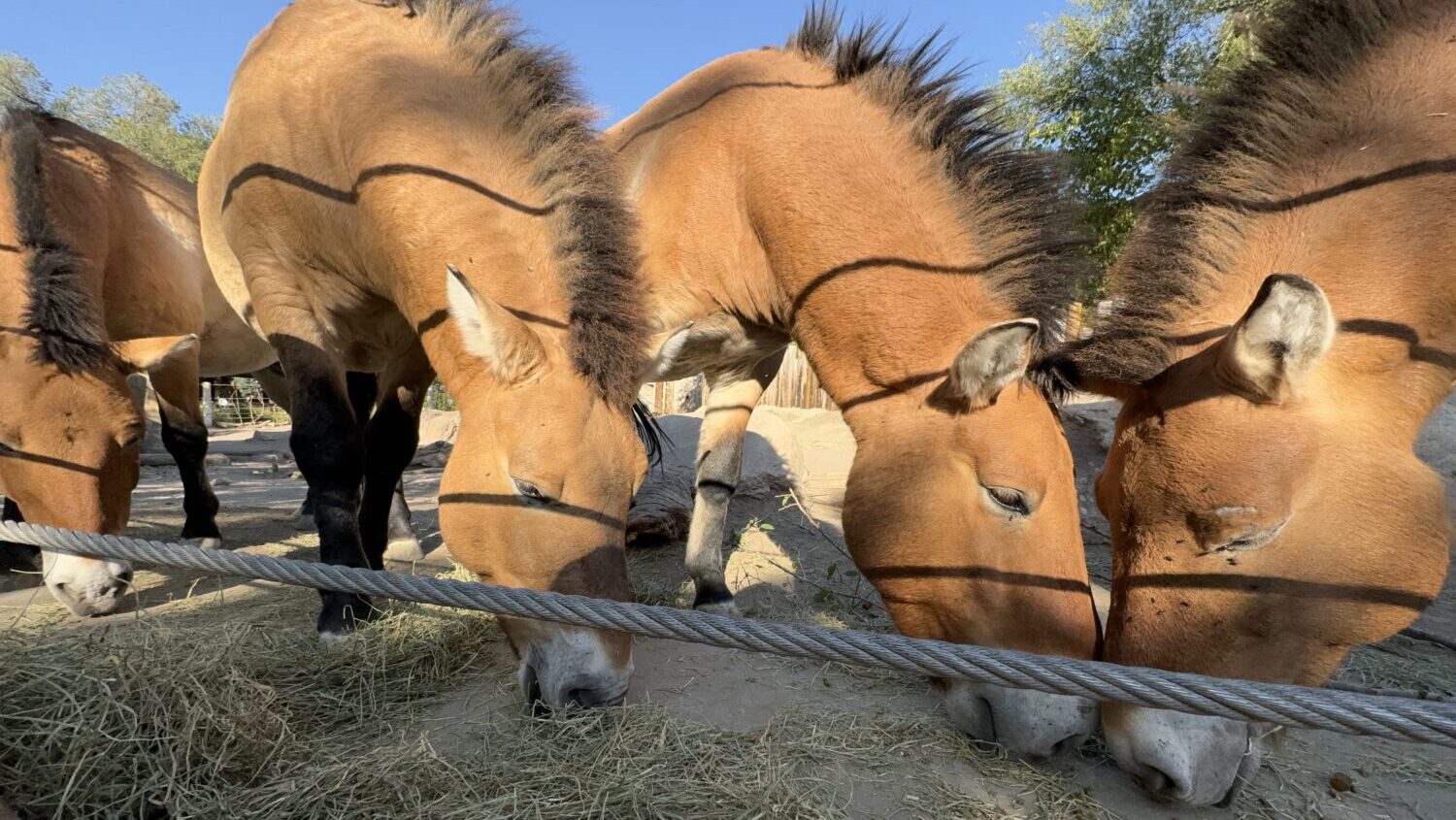
The Przewalski’s horse was close to extinction when conservationists and participating zoos started reversing that trend. (Utah's Hogle Zoo)
(Utah's Hogle Zoo)
SALT LAKE CITY — By all rights, the Przewalski’s horse (sometimes known as the Mongolian Horse) should have gone extinct a long time ago. A study from the National Library of Medicine said there were as few as 12 Przewalski’s horses following World War II.
They were considered extinct in the wild for nearly three decades, but were pulled back by intense conservation efforts done, in part, by the Associate Director of Animal Care at Utah’s Hogle Zoo, Melissa Dacumos.
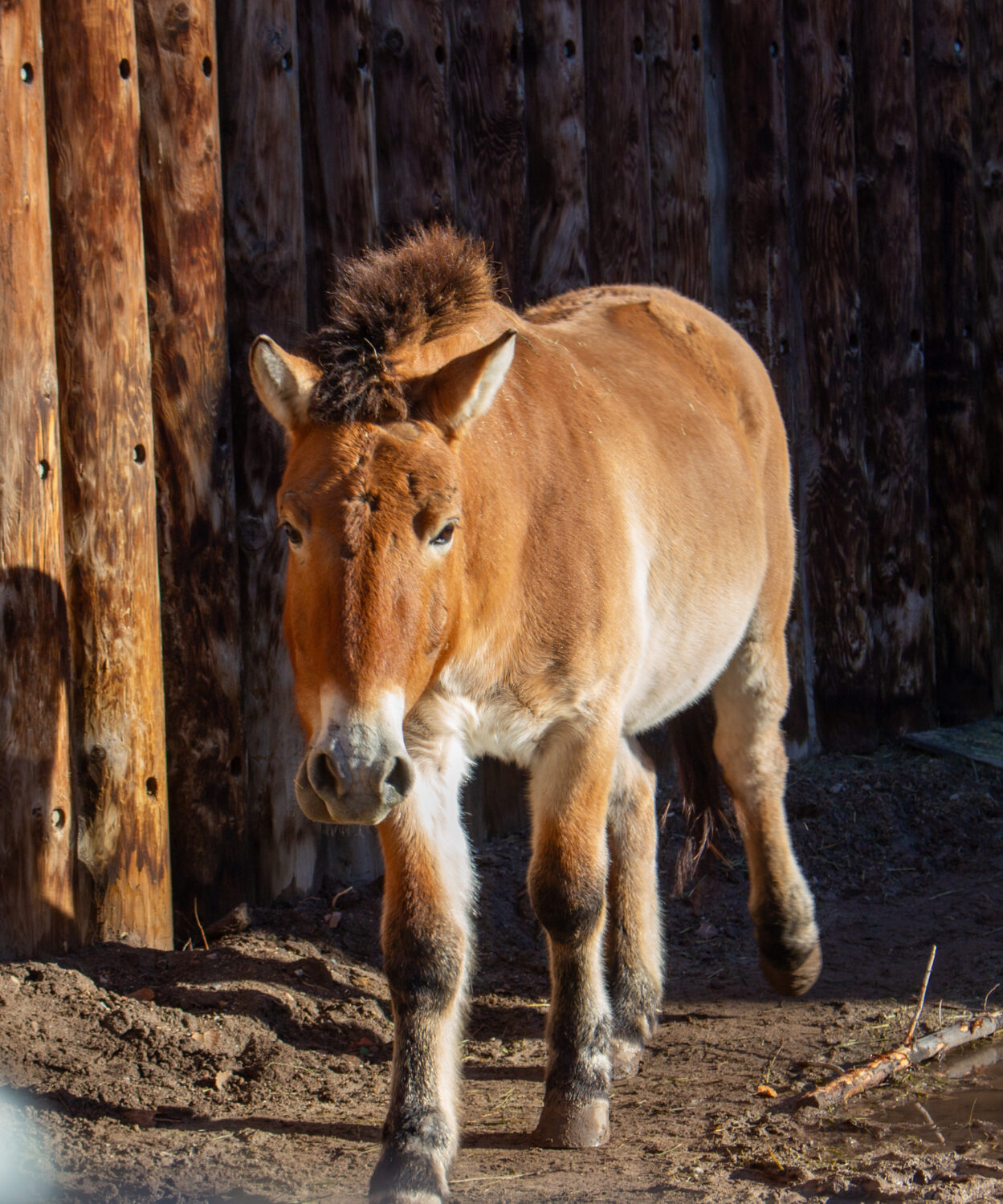
One of the Przewalski’s horses in residence at Utah’s Hogle Zoo. (Hogle Zoo)
Dacumos has an extremely impressive record when it comes to the preservation of Equidae, a branch of the horse family. It includes zebras, tapirs, and, of course, Przewalski’s Horse.
In collaboration with the World Association of Zoos and Aquariums, as well as the European Association of Zoos and Aquariums, Dacumos has worked to bring these animals back to the wild. Their challenges haven’t been typical for horse breeding.
Related: 2 warthog piglets born at Utah’s Hogle Zoo
“Repatriating those particular horses during COVID was the initial thing that bungled up that move … and once we were all getting over COVID, that’s when the Russia-Ukraine War began,” said Dacumos.
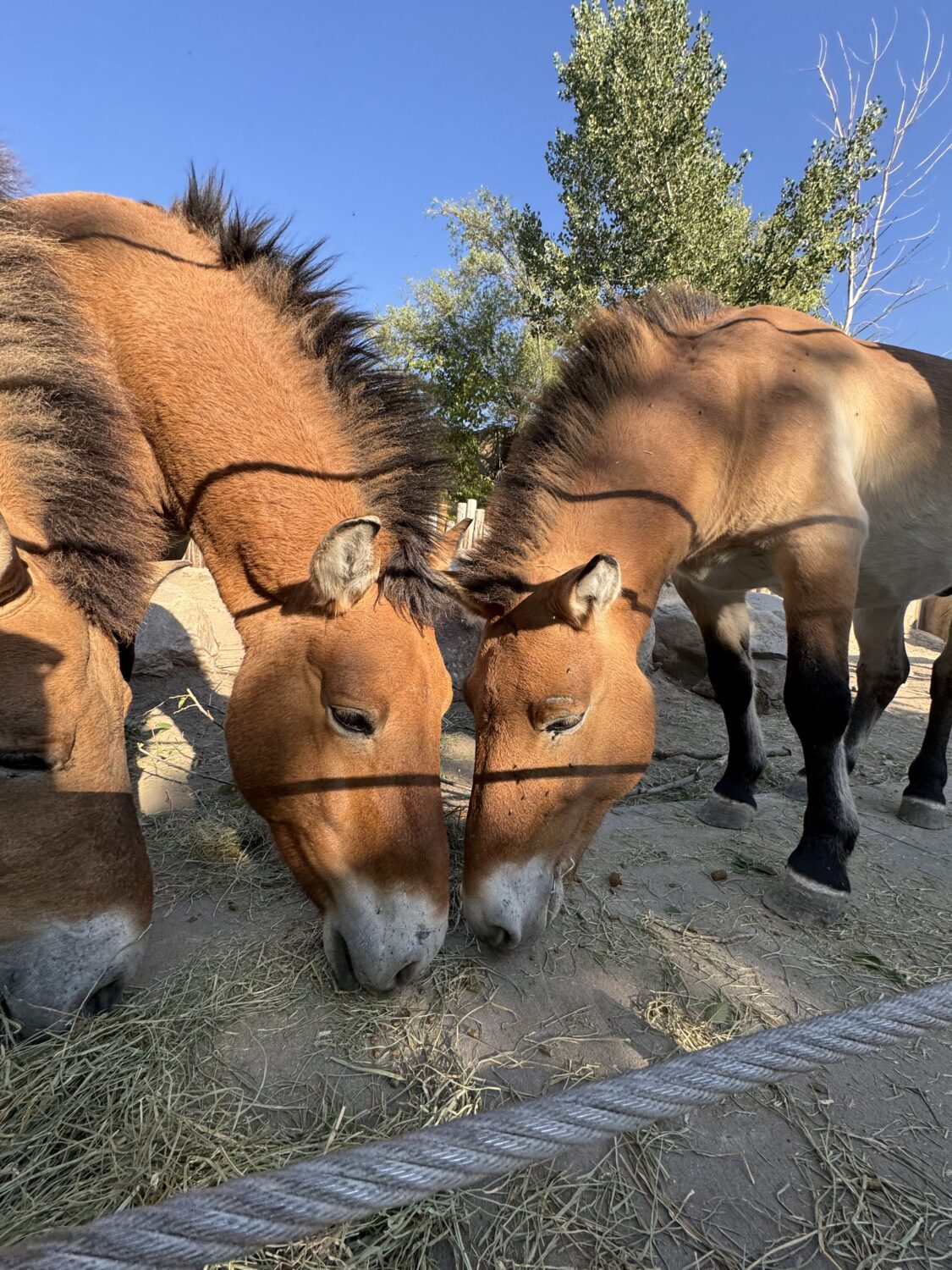
Some of the Przewalski’s horses in residence at Utah’s Hogle Zoo. (Hogle Zoo)
War is bad for all species. Besides the potential destruction of habitat, Dacumos said one of the first jettisoned expenditures in wartime is wildlife preservation. “You can’t maybe staff your park rangers … you can’t staff your anti-poaching units … so that’s one resource that gets immediately taken away.”
This double whammy of bad fortune didn’t stop the efforts of Dacumos and the conservationists however; she told KSL they plan on pivoting to repatriation in Kazakhstan and Mongolia.
If you want to see these stocky equids for yourself though, you don’t have to travel across the world or into a warzone. You can see them right here in Salt Lake City at Utah’s Hogle Zoo.
Related: The most adorable formidable predator: Hogle Zoo welcomes new sand cat kitten