State audit finds ‘wasteful’ purchases with Utah Fits All scholarship money
Jul 7, 2026, 5:17 PM | Updated: 5:19 pm

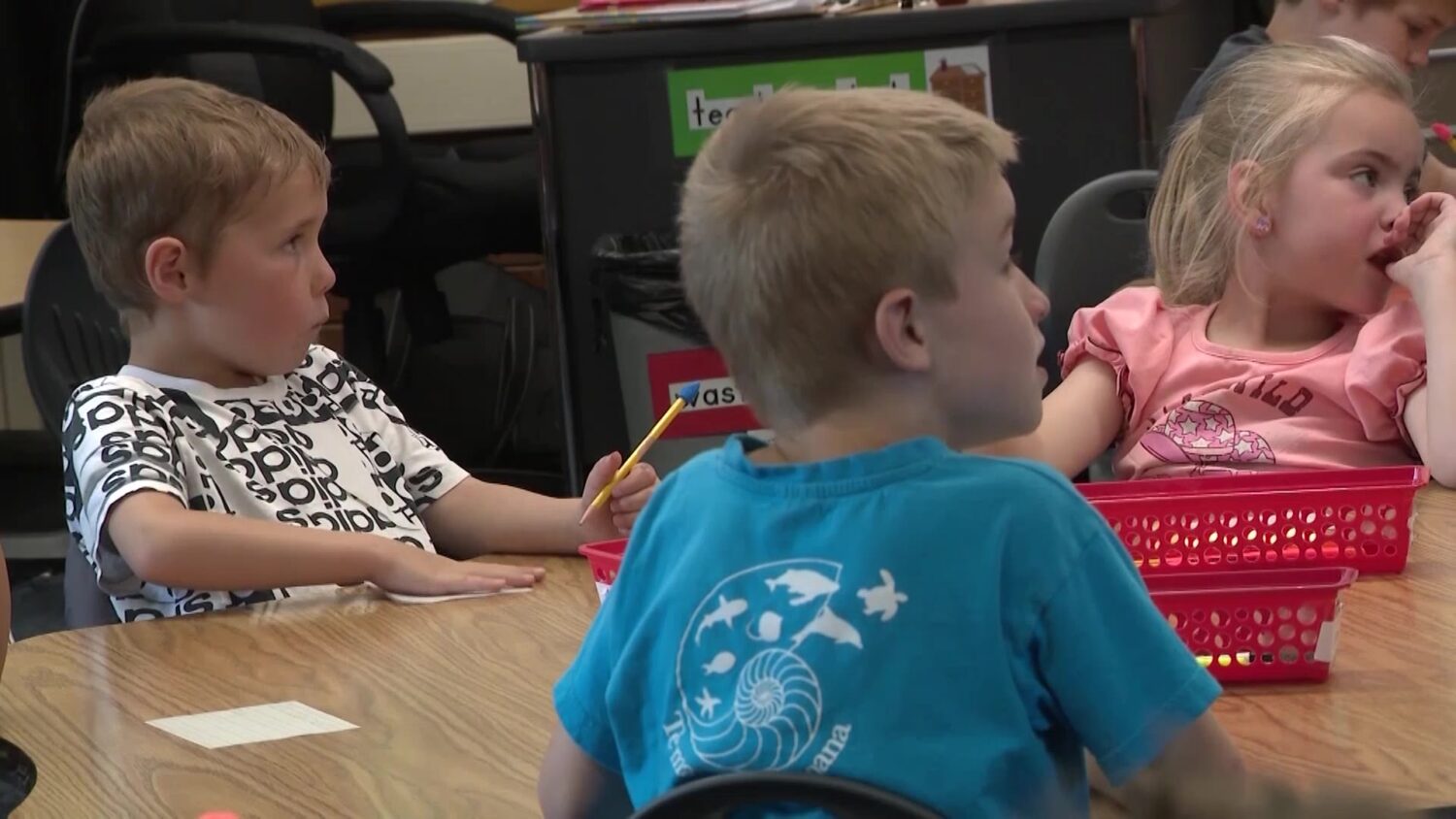
FILE: Students work on a computerize map at Hillsdale Elementary. There is intense interest in the Utah Fits All Scholarship, which gives eligible families up to $8 thousand to pay for approved education services. (Tom Smart)
(Tom Smart)
This story was adapted from a radio broadcast script using artificial intelligence. Every story, including those adapted with AI, is reviewed by a human editor before publication to ensure that KSL’s editorial standards are upheld.
SALT LAKE CITY — A new limited audit of the Utah Fits All scholarship program by the office of the Utah State Auditor showed that most of the scholarship money went toward legitimate education expenses, but also that some of the money went toward big-ticket items which the office called “wasteful and extravagant.”
While the majority of UFA scholarship funds have been used for legitimate educational activities (primarily for tuition to private schools), the above analysis indicates that some UFA scholarship funds have been used for wasteful and extravagant purchases inconsistent with principles of sound fiscal responsibility.
The audit focused specifically on the 2024-2025 school year, the first year that the scholarship was available. That means some of the big-ticket items highlighted in the report could not be purchased today; the legislature updated the rules for spending the voucher program’s funds for the 2025-2026 school year.
$6,000 bikes, pricey MacBooks and commercial-grade trampolines
Using the 2024-2025 school year for its review, auditors found many items for which people sought reimbursement that cost far more than what a public school district would have spent.
Among the reimbursements:
- $6,150.70 for an Apple MacBook Pro
- $6,021.40 for a Specialized Status 140 bicycle
- $3,189.44 for a commercial-grade backyard trampoline
- $3,653 on a digital piano
- $2,765 on an alphorn
- $5,830 for volleyball club fees and tournament dues
Those were just a few of the examples highlighted in the limited audit as being “inconsistent with … sound fiscal responsibility.”
The audit did not look at the subsequent 2025-2026 school year after the rules changed. Among the purchases that are no longer reimbursed through Utah Fits All are musical instruments, furniture, ski passes or lift tickets, playground equipment, and clothing.
What is Utah Fits All?
The Utah Fits All Scholarship Program reimburses educational expenses of up to $8,000 per eligible K-12 student. The money comes from state tax revenue and is generally used by families who choose not to send their children to traditional public K-12 schools.
When it was first established by the Utah State Legislature in 2023, critics denounced it as a thinly disguised voucher program. But supporters describe it as a true scholarship program aimed at leveling the educational playing field and allowing parents to choose what’s right for their families.
According to Odyssey, the service that administers Utah Fits All for the state, more than 18,700 students will receive scholarship money for the 2026-2027 school year. Those families were notified about their awards last month.
During the audit period, a different company, ACE Scholarships, administered the program for Utah. Again, different spending rules applied at the time.
What the auditors recommend
The office of the Utah state auditor said that most of the Utah Fits All scholarship funds were used as intended.
Of the $67,733,684 spent in the program’s first year, $10,739,583 went toward tuition. Of that, auditors noted most of the tuition spending went toward private schools.
The next largest chunk of funds, $1,107,336, went toward electronics and hardware. Within that amount, the auditor’s office criticized the reimbursement for the purchase of computers that were more expensive than necessary. Auditors noted that non-Chromebook devices make up about 28.75% of all devices used in public K-12 schools. But when they analyzed computers reimbursed through Utah Fits All, they found that models priced over $1,000 accounted for more than half of purchases.
The office of the Utah State Auditor recommended that lawmakers and the State Board of Education consider imposing spending caps on items such as computers to prevent future waste.
For categories where prohibitions, limitations, and thresholds have been established, we recommend USBE and the UFA program manager closely monitor transactions for additional indicators of waste and abuse of scholarship funds, and report to the Utah Legislature areas where additional restrictions may need to be established.