ELECTIONS, POLITICS, & GOVERNMENT
Gov. Cox vetoes bill that would change who chooses the Utah Supreme Court chief justice
Mar 25, 2025, 4:21 PM | Updated: Mar 26, 2025, 3:00 pm

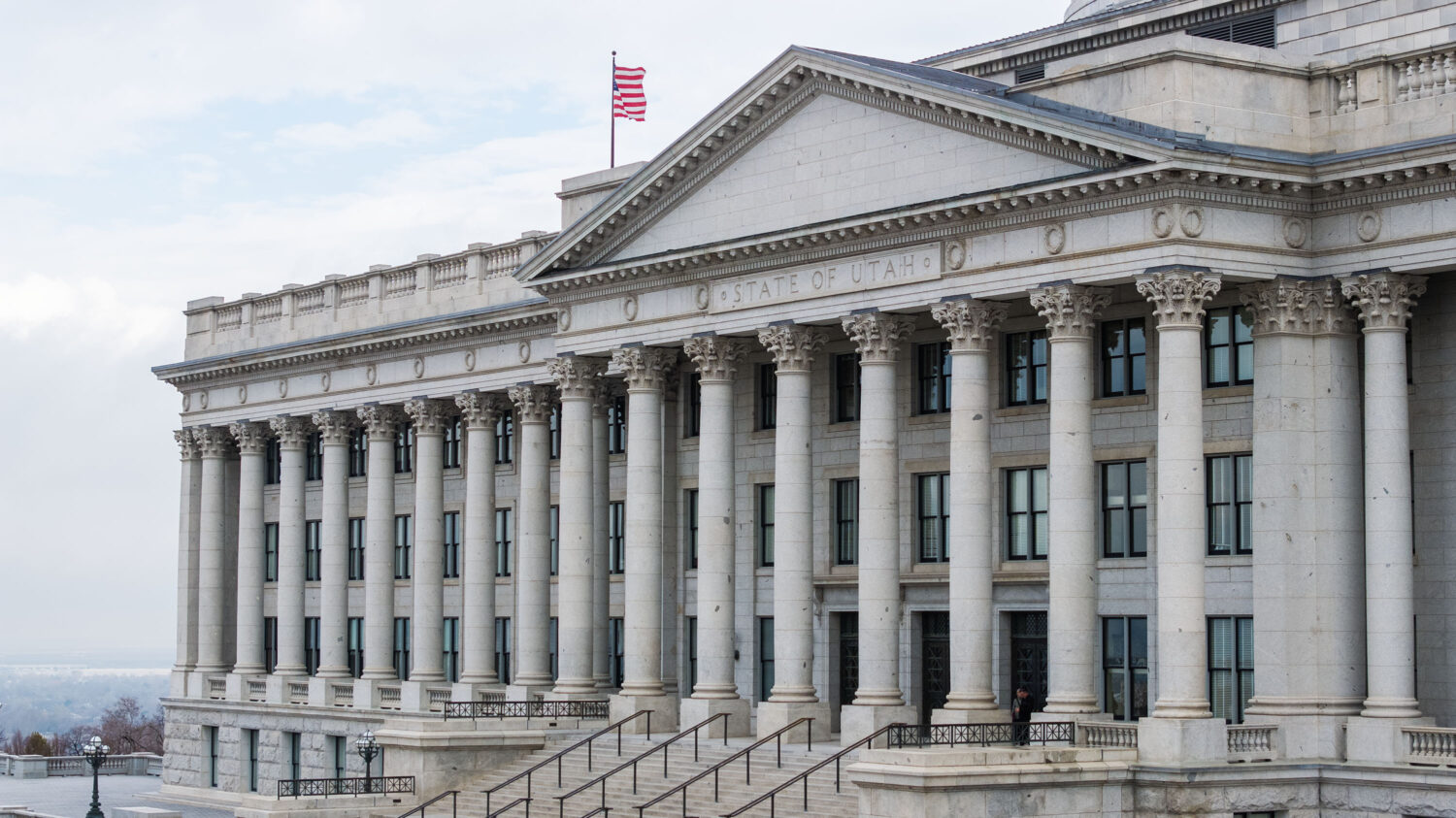
The entrance to the Utah Supreme Court is pictured at the Capitol in Salt Lake City on Tuesday, Jan. 19, 2021. (Kristin Murphy/Deseret News)
(Kristin Murphy/Deseret News)
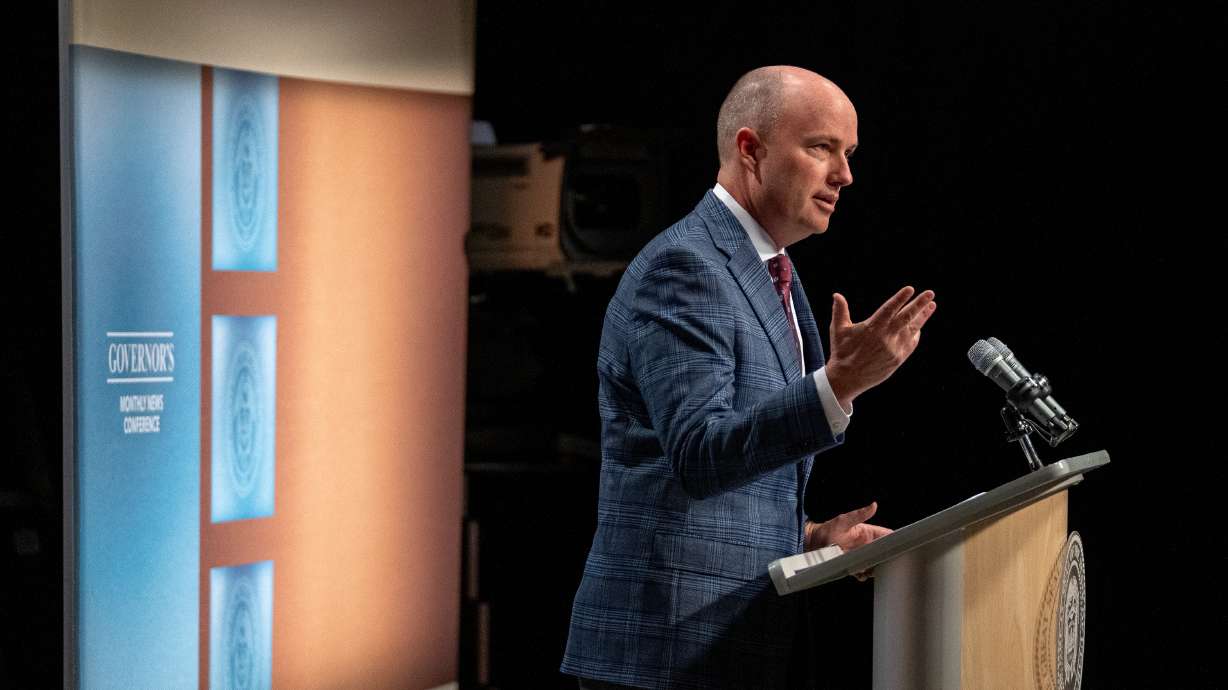
SALT LAKE CITY — Gov. Spencer Cox vetoed a bill that would have changed who picks the chief justice of the Utah Supreme Court. The veto came as Cox signed 200 other bills into law on Tuesday.
SB296 would have allowed Utah’s governor to appoint the chief justice and required the state Senate to confirm the appointment.
Related: Utah State Bar praises Gov. Cox for vetoing bill on who picks the state’s chief Supreme Court justice
The bill was one of several scrutinized by legal experts for what they said was an effort to “exert legislative control over the chief justice.”
Current law allows the Utah Supreme Court to elect its own leader.
‘Just because I can, doesn’t mean I should’
In a letter to the Legislature, Cox spoke about the balance of power between the executive, legislative and judicial branches.
“While all three hold equal status and separate and important powers that serve to check and balance the others, the founders understood and intended that the legislative branch would be the most powerful … While the legislative branch was intended to be the most powerful branch of government, it was not intended to be all-powerful,” Cox wrote.
Cox said it wasn’t “lost on him” that SB296 would have given him more power as governor.
“Knowing the head magistrate of our state’s highest court would have to think twice before ruling against me or checking my power is difficult to reject.”
However, he said he had to decline the opportunity for more power.
“Just because I can, doesn’t mean I should,” Cox wrote.
The governor finished his letter by saying that he doesn’t think the judicial branch is perfect and disagrees with recent decisions made by the courts.
“I remain grateful that a decision by the Supreme Court is not the last word. A vote of two-thirds of the legislature and 50.1% of the public can overturn any decision. But just because I disagree with the court, does not mean that the system is broken or corrupted.”
Cox vetoed one other bill and signed 75 more on Monday.
This is a breaking story and will be updated.