ENVIRONMENT

Research suggests avalanche activity is being altered by climate change

Mar 31, 2025, 5:52 PM

Wasatch Backcountry Rescue skiers search the remnants of avalanche activity...

Wasatch Backcountry Rescue skiers search the remnants of an avalanche at Big Cottonwood Canyon in Cottonwood Heights on March. 6, 2023. (Ryan Sun/Deseret News)

(Ryan Sun/Deseret News)

SALT LAKE CITY — As the climate changes, some research suggests it is impacting avalanche activity. Experts believe several factors are contributing. 

First, global temperatures are rising. According to the Environmental Protection Agency, increased temperatures have been accompanied by changes in weather patterns. For example, some areas have experienced heat waves, heavier-than-normal precipitation, and volatile, unpredictable storms. 

These events have contributed to the volume and density of snowpack. Several factors influence avalanche activity, including temperature, precipitation, wind and slope angle. 

Per the Natural History Museum of Utah, Utah winters are an average of 37 days shorter than they were in the 1930s. Additionally, warmer temperatures cause more precipitation to fall as rain, as opposed to snow, therefore lowering snowpack totals. 

How could warming temperatures impact avalanche activity?

A study published by the National Library of Medicine explained that warmer temperatures could lead to less snow cover at lower elevations. At higher elevations, however, avalanches could become more intense.  

Avalanche activity largely depends on interactions between existing snowpack, new precipitation, and temperatures. 

Rescuers start the excavation process after avalanche activity killed a man who was split boarding alone in Big Cottonwood Canyon

(avalanche activity)

Rescuers start the excavation process after an avalanche killed a man who was split-boarding alone in Big Cottonwood Canyon. (Utah Avalanche Center)

Snowpack stability and warm temperatures

A stable snowpack relies on consistent snowfall and moderate, steady temperatures. Per Scientific American, continued temperature fluctuations cause problems with bonding between snowpack layers. 

In other words, consistent weather leads to better snowpack stability. Although avalanche danger is never absent, stable snow leads to safer conditions. 

Temperature fluctuations play a role in the dreaded persistent weak layer, which has been a continued problem in Utah’s avalanche conditions this winter. Persistent weak layers are those that don’t bond to the snow above or below them, complicating avalanche risk. 

Additionally, warmer temperatures can lead to a wetter snowpack. When rain —which is warmer than snow— falls onto snow-covered slopes, it can break the bonds between snow grains far below the surface. 

Sierra Avalanche Center explained that rain leads to rain crusts within the snow. They are often surrounded by weak layers of snow. 

Trees stick out of snow following avalanche activity at Alta on April 9,2023

Parts of a tree poke out of the snowbank after an avalanche at Alta on April 9, 2023. (Ryan Sun/Deseret News)

Avalanche activity and backcountry users

According to the State of Utah’s Hazard Mitigation website, avalanches accounted for 70% of severe weather-related deaths between 1996 and 2022.

The number of future backcountry users could impact the rate of human-triggered avalanches, therefore potentially increasing avalanche fatalities, per the NIH-published study. Conversely, if backcountry visits declined, the rate of human-triggered avalanches and fatalities might decrease. 

Regardless, the severity of injuries sustained in avalanche accidents could increase as climate change continues. The study said that thinner snow cover further exposes victims to rough terrain, such as rocks and logs that sit beneath the snowpack. 

Additionally, higher-density snow could result in increased suffocation-related avalanche deaths. 

Per the Colorado State University Climate Center, snow density refers to the relationship between snow’s weight and water content. It can vary based on the space between crystals, their size, or their shape, and contributes to avalanche danger, the strength of snow and how easy it will be to remove. 

Wet, heavy snow is considered more dense, whereas Utah’s famous light, fluffy powder has a lower density. 

Per the University of British Columbia, warmer temperatures and faster winds cause fresh snow to have a higher density. 

Avalanche deaths 

During avalanche accidents, Frontiers associated higher snow density with rapid oxygen depletion. Since warming temperatures lead to wetter, higher-density snow, they could lead to decreased avalanche survival rates. 

Currently, according to the Utah Avalanche Center, 93% of buried victims can be rescued if they are dug out within 15 minutes of being buried. As time goes on, the number dramatically decreases. After 45 minutes, for example, the percentage decreases to between 20 and 30%. 

UAC’s website explains that said buried victims often die as the carbon dioxide emitted from their exhalations builds up in the snow surrounding them. 

Read about current Utah avalanche activity: Forecasters advise adaptability amid considerably dangerous avalanche conditions


We want to hear from you.

Have a story idea or tip? Send it to the KSL NewsRadio team here.

Environment

The Babylon Fire burns in San Juan County in June. Utah's 10 largest fires this year have cost over...

Carter Williams, KSL

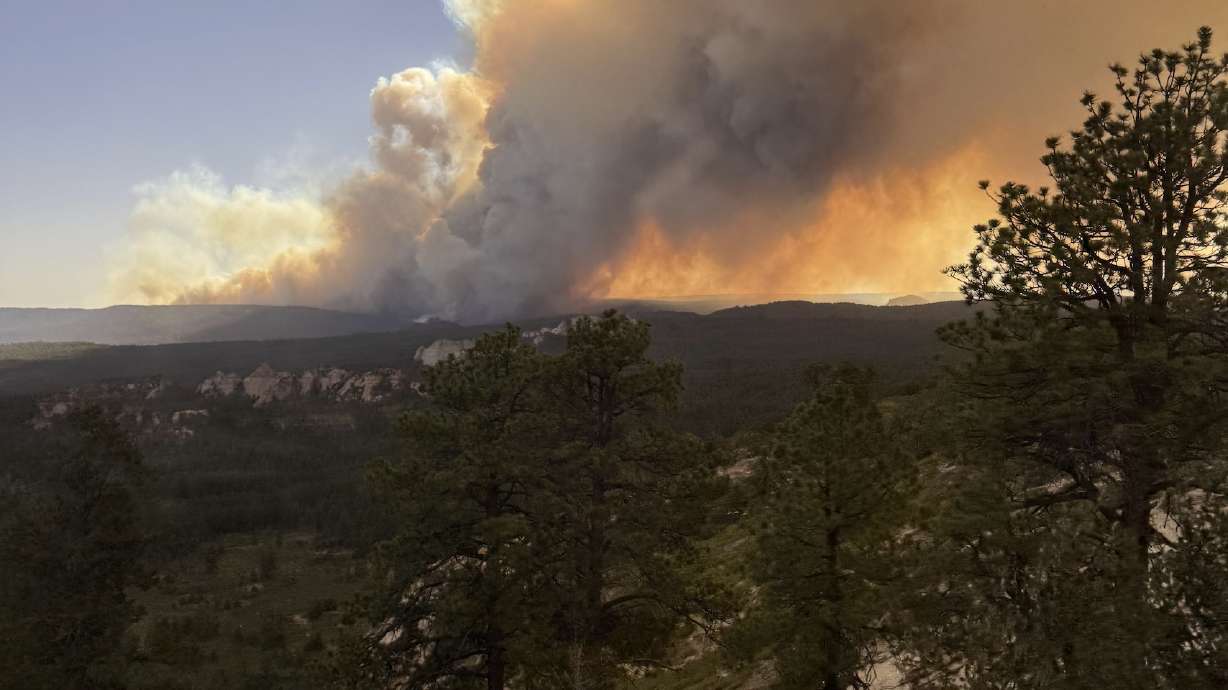
Utah’s 10 largest fires this year have already cost nearly $217M to battle

Utah's 10 largest wildfires so far in 2026, which account for the vast majority of the more than 537,000 acres that have burned this year, are estimated to cost nearly $217 million to battle,

21 hours ago

An aerial view of the crash site where a wildland firefighting helicopter crashed in Utah is pictur...

Devin Oldroyd, KSL

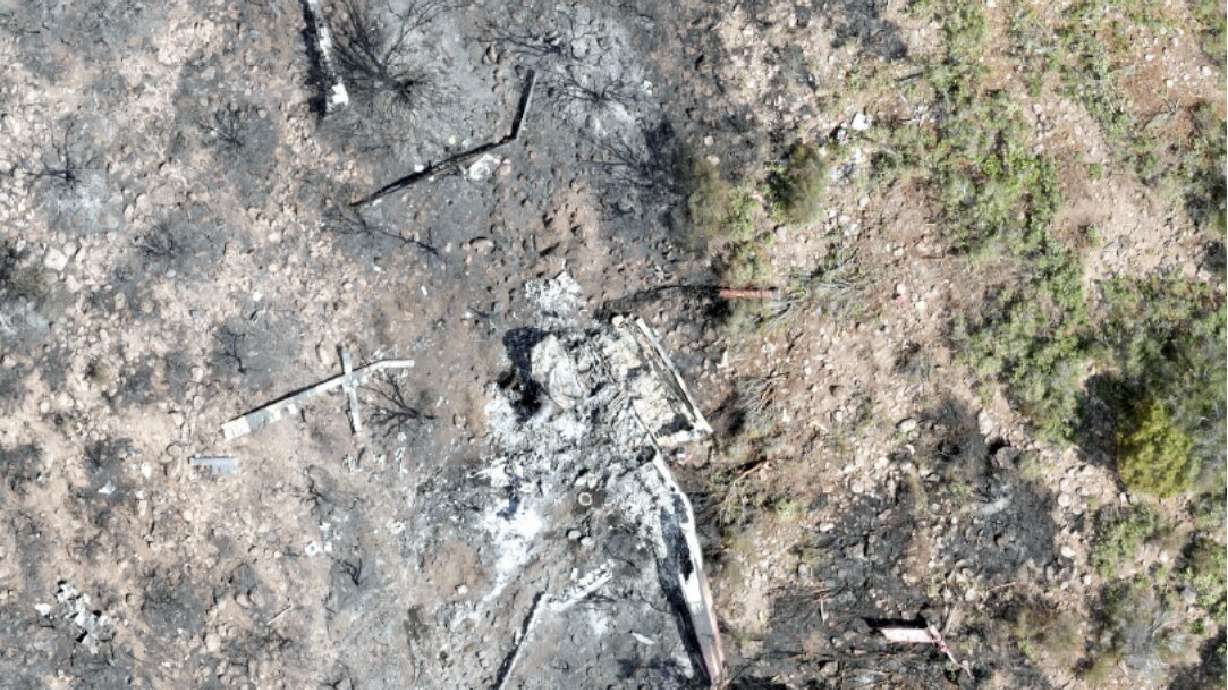
National Transportation Safety Board releases details of deadly helicopter crash that killed 2 pilots

The National Transportation Safety Board on Tuesday released its preliminary report on a deadly helicopter crash near the Widemouth 2 Fire.

21 hours ago

Steve Erickson speaks during a press conference held by advocates of downwinders to discuss their f...

Logan Stefanich, KSL

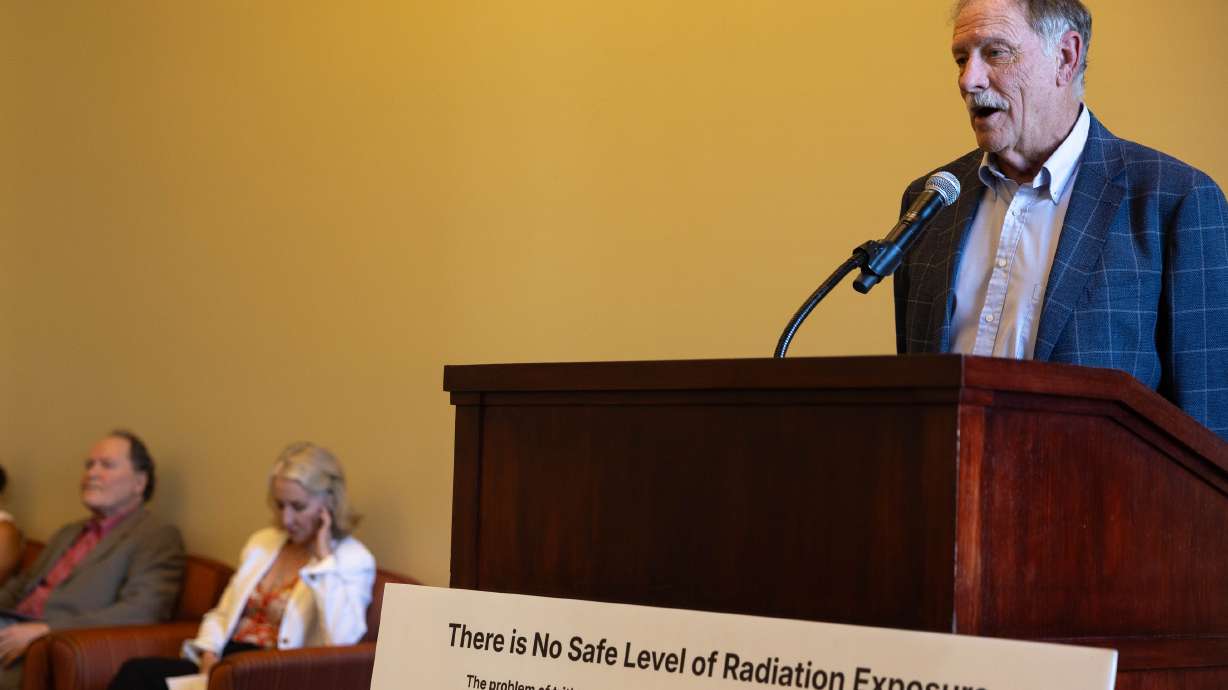
‘State-sponsored propaganda’: Environmental groups file FTC complaint over Utah nuclear ads

Advocacy groups filed a complaint with the Federal Trade Commission on Monday accusing Utah energy officials of producing misleading ads promoting nuclear energy.

1 day ago

Utah State Ag-DRIP program helps farmers conserve water in the Colorado River Basin. (Photo: Alex C...

Alex Cabrero, KSL

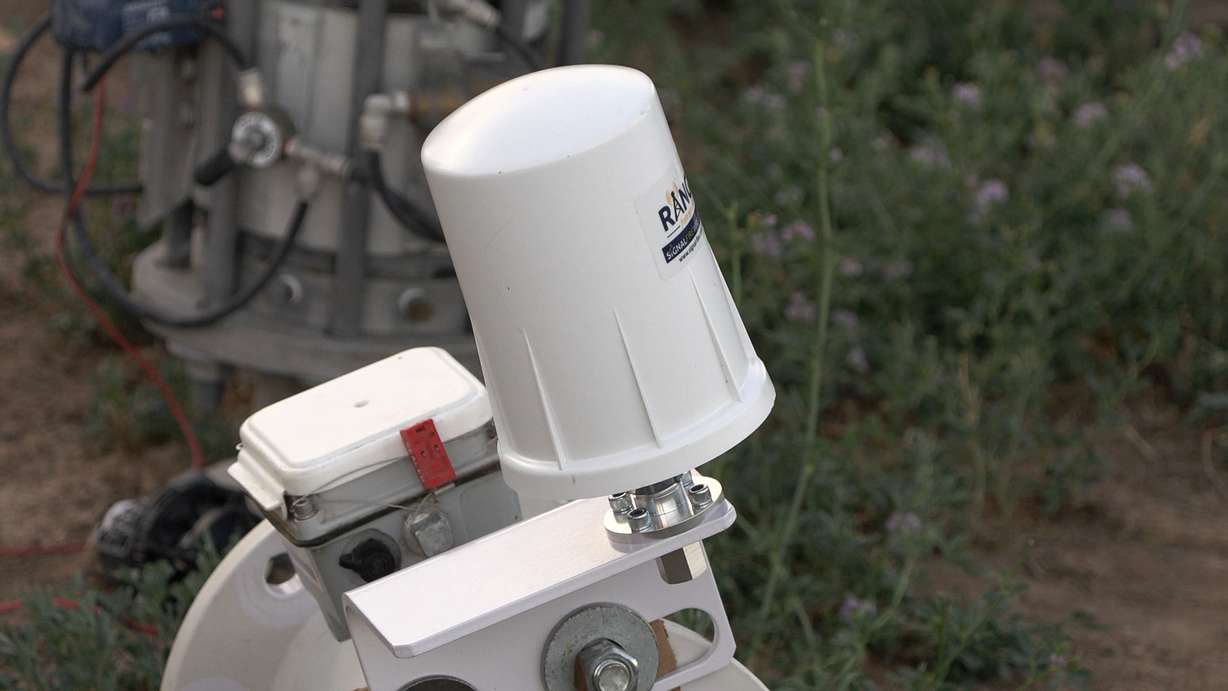
Utah State Ag-DRIP program helps farmers conserve water in Colorado River Basin

Utah State University researchers are developing ways to update irrigations systems on Utah farms, with the goal of optimizing agricultural water use in the Colorado River Basin.

1 day ago

The community is coming together to help Utah Tech University Police Chief Wes LiCalzi and his fami...

Arianne Brown, KSL

‘Now it’s our turn’: Community rallying around police chief after Hurricane flooding

In Hurricane, community members are rallying around UTU Police Chief Wes LiCalzi and his family after devastating flooding that tore through their neighborhood Friday.

2 days ago

Rebeca Granillo, a fly-fishing instructor from Millcreek, fishes along the Provo River near Charles...

Carter Williams, KSL

Utah seeks to make 14 native fish species catchable among other proposed fishing changes

Utah wildlife officials consider making more than a dozen native fish species catchable by classifying them as game species, while also removing some special designations and daily fish limits in certain areas.

2 days ago

Sponsored Articles

Whether you are chasing pristine beaches, fresh raspberry shakes, or endless water sports, this spo...

Bear Lake

Road trip ready: How Bear Lake became the go-to destination for Western U.S. travelers

Whether you are chasing pristine beaches, fresh raspberry shakes, or endless water sports, this sponsored guide—brought to you in partnership with Bear Lake —uncovers everything you need to plan the ultimate getaway.

How Harper Clinic's IOP is changing the face of mental health treatment in Utah....

Harper Clinic

A new standard of care: How Harper Clinic’s IOP is changing the face of mental health treatment in Utah

As demand for mental health care continues to rise across Utah County, Orem's Harper Clinic says it is trying to close the gap with a more comprehensive approach to mental health treatment.

The weight of depression is real. Many people spend years fighting it, adjusting medications, manag...

Harper Clinic

Breaking free from depression: How Harper Clinic’s TMS Therapy can help

Breaking free from depression: How Harper Clinic's TMS Therapy can help.

mental health...

Andrew Adams, KSL

Library discussions bring men’s mental health to the surface

Therapists say it’s common for men to repress things like trauma, grief, stress and anxiety. Now, a new weekly series of discussions aims to help men bring it all to the surface.

...

Bear Lake Convention & Visitors Bureau

Cozy up in Bear Lake: Discover the magic of a winter getaway

SALT LAKE CITY – The holiday season shines brightest when time slows down and loved ones gather. Gifts, decorations and festive music come and go, but shared experiences tend to last much longer. Research supports that idea. Dr. Theresa E. DiDonato told Psychology Today that vacations can strengthen relationships by creating meaningful time away from daily […]

...

Harper Clinic

Rewriting the path to healing: Inside Harper Clinic’s whole-person mental health model

OREM — A few decades ago, you’d have had a hard time finding a doctor to treat both your mind and body; And a century ago, you’d have been hard-pressed to find a doctor to treat your mind at all. Today, medical professionals are understanding more and more the undeniable connection between the body and […]

Research suggests avalanche activity is being altered by climate change