Loud noises in Rose Park are the effect of flood mitigation
Oct 29, 2025, 6:00 AM

Neighbors alarmed by loud noises and ground-shaking equipment in the Rose Park neighborhood can rest assured there is a method behind the madness: flood mitigation, in the wake of a 100-year storm that flooded streets and homes earlier in October. (Salt Lake County Flood Control)
(Salt Lake County Flood Control)
SALT LAKE CITY — Neighbors alarmed by loud noises and ground-shaking equipment in the Rose Park neighborhood can rest assured there is a method behind the madness: flood mitigation, in the wake of a 100-year storm that flooded streets and homes earlier in October.
The storm on Oct. 4 dumped 2.5 inches of rain over Rose Park in about 14 hours, more than Salt Lake City had seen in a single day in well over 100 years, according to the National Weather Service.
“There was a lot of rain in that time frame,” said Kade Moncur, Salt Lake County Flood Control Division director. “And it really highlighted some of the issues in that area.”
Related: Tooele deals with the aftermath of the ‘100-year storm‘
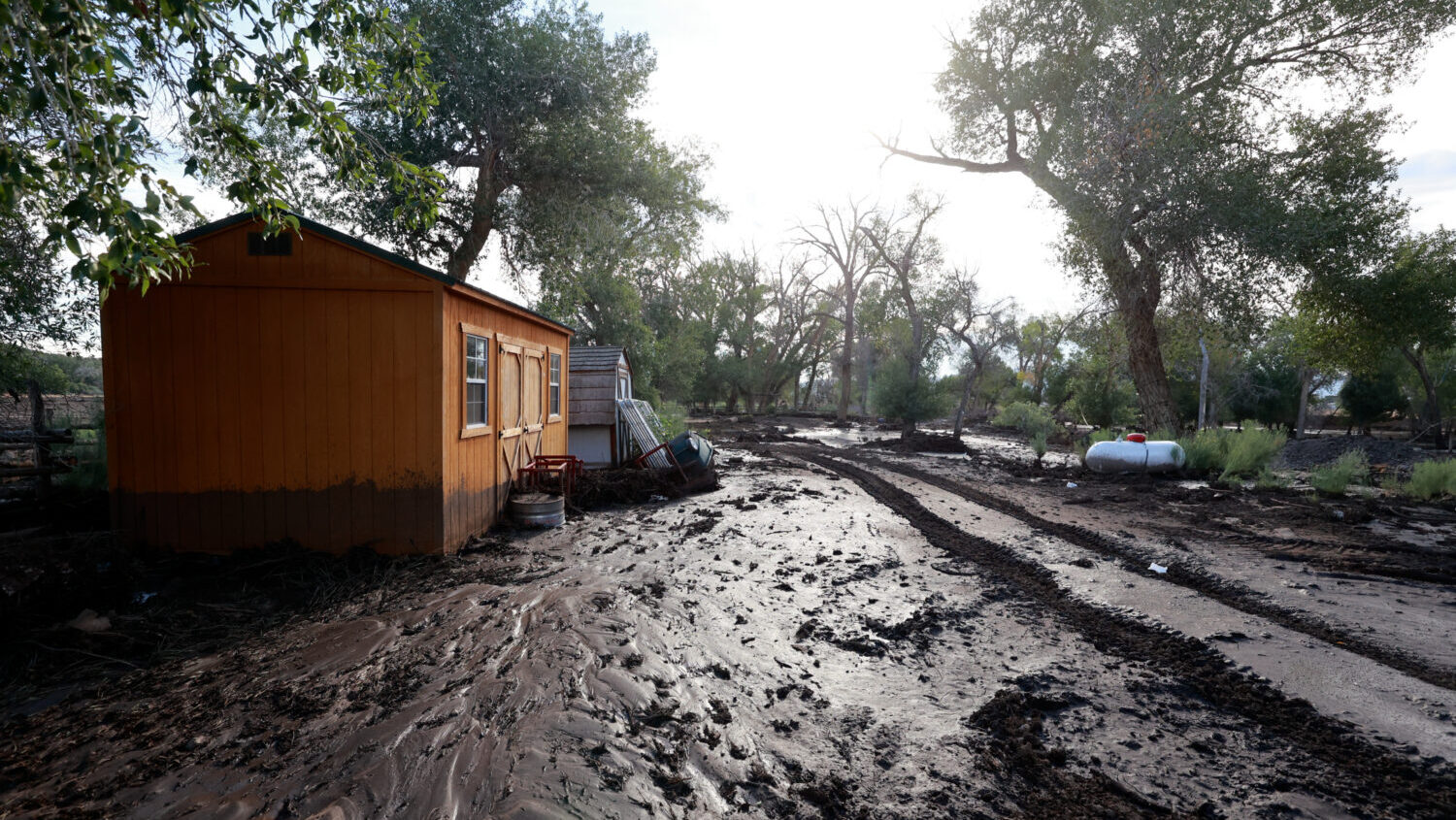
Residents affected by the Rose Park flood reported water up to their knees on some streets, and messes to clean up inside their homes. Mayor Erin Mendenhall declared an emergency after the flooding.
Flood mitigation work begins in Rose Park
Tuesday, Moncur told KSL NewsRadio that crews are now working to remove invasive plants known as phragmites from the area impacted by the Rose Park flood.
“It’s very flat in that area, so any of the blockages that come from overgrowth really cause an issue when we have these larger (rain) events,” Moncur said. “All of this (work) is in the effort just to prevent or at least lessen future issues in (Rose Park).”

Neighbors alarmed by loud noises and ground-shaking equipment in the Rose Park neighborhood can rest assured there is a method behind the madness: flood mitigation, in the wake of a 100-year storm that flooded streets and homes earlier in October. (Salt Lake County Flood Control)
Rose Park, Moncur said, is not vulnerable to spring runoff. But large-scale rain events are a different story.
“This area is really rainfall-driven. So it’s hit hard by rainfall, like it was in early October, where the rain just camped right above this area and just continued to rain for a significant amount of time.”
Spring runoff, he said, tends to impact natural rivers, creeks and streams rather than man-made drainage areas.
“And this is a man-made ditch in the area of Rose Park, that’s used primarily to drain neighborhoods through stormwater received in the form of rain,” Moncur said. “So, you know, it’s working with our city partners to figure out, if we can, what we can do.”
Read more: Fifth graders in Stansbury Park turn flooding into hands-on science lesson
The challenge for his department comes down to trying to predict where that next crazy rainstorm will hit the hardest – and trying to anticipate the trouble spots before they turn into a disaster.
“That’s the hard part about flood control,” he said. “You pretty much just have to go through your routine (flood prevention) maintenance. And when you see a problem, if you can, you can make an impact after it’s done.”
The noise complaints, he said, stem from the work that needs to be done in the space allowed.
“We have a really confined area to do that work, and we have to use large machinery to do it. So we have a big piece of equipment with a track that kind of does vibrate the ground when it goes by.”

Neighbors alarmed by loud noises and ground-shaking equipment in the Rose Park neighborhood can rest assured there is a method behind the madness: flood mitigation, in the wake of a 100-year storm that flooded streets and homes earlier in October. (Salt Lake County Flood Control)
Moncur said the county will try to use different equipment for the phragmites removal to offset how much they need to use the larger machine.
They’re also working against time: they need to do what they can while the weather is dry and above freezing.
Resources to do your own flood mitigation
Salt Lake County’s website includes a section specifically designed to help residents prepare for and respond to flooding. At https://www.saltlakecounty.gov/runoff, you can learn whether you live in a flood plain, what steps you can take to help mitigate a flood before it happens, and also see real-time streamflow maps.
Liz Sollis, communications director for the Salt Lake County mayor’s office, said the flood control division does great work, but they really need everyone’s help to prevent future disasters.
“People need to be cognizant of how they’re throwing things out, where they’re throwing things out, not throwing things in ditches, stuff like that, or planting things in the ditch area,” she said.
“I think having the community being aware of those resources (on the site) helps us … throughout the year,” Sollis added. “Because this is not just, say, we come in right now and do it. We’re constantly doing flood maintenance.”