Are artificial food dyes bad for you? Here’s what a registered dietitian thinks
May 13, 2025, 10:00 AM
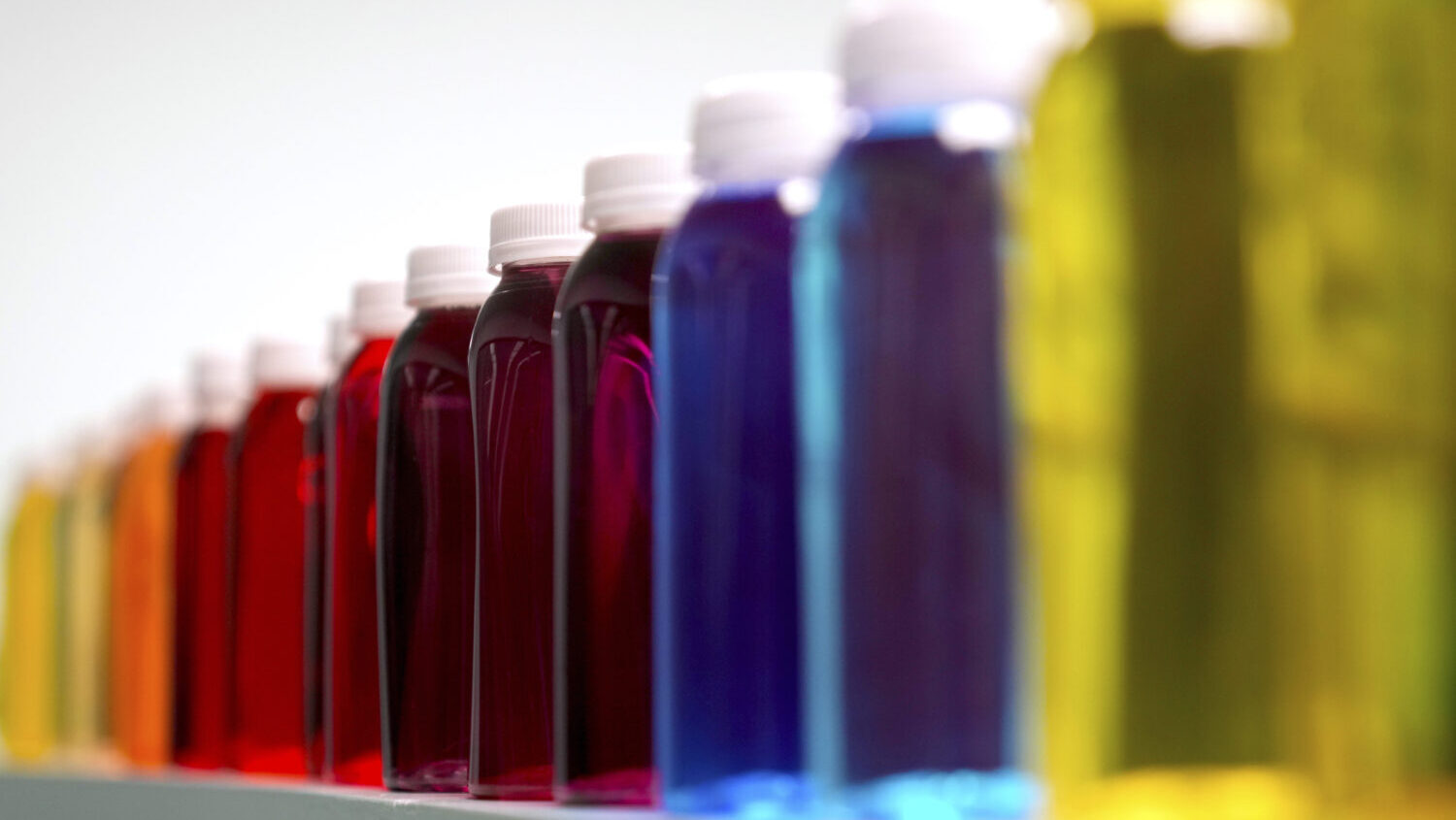
Bottles containing a variety of colored liquids sit on a shelf in a lab at Sensient Technologies Corp., a color additive manufacturing company, in St. Louis., on Wednesday, April 2, 2025. (Jeff Roberson/Associated Press)
(Jeff Roberson/Associated Press)

SALT LAKE CITY — Concerns about the health effects of artificial food dyes and overall food safety have been on the rise.
Carrie Durward, a registered dietitian with Utah State University Extension, joined KSL NewsRadio to discuss the issue and share some tips for improving our diet.
Below is a partial transcript of this interview as well as the full podcast.
KSL NewsRadio edited the following transcript for brevity and clarity.
HOST MARIA SHILAOS: First off, give us your perspective on all the talk of artificial additives.
GUEST CARRIE DURWARD: There are a lot of ingredients in additives that are in our food, and they’re there for a reason. They’re used to improve texture and appearance and increase the shelf life or even the nutritional value.
For example, I’ve heard some people talking about the vitamins and minerals that are added to our food, like iron in breakfast cereals or vitamin D in milk or orange juice. Many people think of these as additives, but the reality is that they’re helping us to prevent nutrient deficiencies.
SHILAOS: Is there any real research that shows that these additives are harmful?
DURWARD: One of the main concerns is around hyperactivity and food dyes. And, unfortunately, the research is really inadequate. The findings that we do have are inconsistent. And so this makes it really difficult to give a simple answer to parents and consumers.
But what I can say is that foods highest in these dyes and additives are also typically high in sugar and low in nutrients. They are what I call “sometimes foods.” These are foods that we can enjoy occasionally, but they shouldn’t make up a large part of our diets.
Related: Bugs and beet juice could play roles in replacing artificial food dye
We’re talking about the really brightly colorful foods, things like candy, certain cereals, certain snacks, sugary drinks. Those are typically going to have more artificial dyes and additives.
SHILAOS: What should we know when we’re buying snacks for our children?
DURWARD: My number one goal is to support parents, not overwhelm them. So the very most important thing that we can do as parents is to make sure that our kids are getting enough food to support their healthy growth. After that, we want to make sure they’re getting enough vitamins, minerals and fiber. And if you’re in a place where you can focus on nutrition beyond the basics, a great goal to start with is to try to increase fiber for one of your kids.
Pick one of our high-fiber food groups: fruits, vegetables, whole grains, nuts and seeds, or beans and lentils. And experiment to find things that your child enjoys. Healthier options can also include some of these processed foods. It’s about the big picture, not perfection.
SHILAOS: What would you like us to think about when we’re at the grocery store and looking at the food labels?
DURWARD: Way before you get to the store, plan your meals ahead of time and shop with a list from that plan. That alone can make a huge difference to the nutrition that you have in your house, but also help to reduce the cost of food.
If you’re looking at the nutrition facts label, one of the main things that I look at when I’m buying packaged food for my kids is fiber. And the more, the better, typically, though you don’t want to jump from no fiber to lots of fiber too quickly. And it also has to be something that my kids will eat, because do you know how much fiber my kids will get from a food that they don’t eat? Zero grams of fiber.
I also check for added sugars, and I try to choose lower sugar options when possible.
SHILAOS: When shopping in the vegetable section, we know that some of these prices can be high. Are the canned and frozen foods still just as healthy as the fresh?
DURWARD: The frozen foods … can actually be more nutritious than fresh (foods) because they’re frozen right in the field. They haven’t been traveling at all.
Related: Red dye No. 3 has been banned, but what about other artificial food dyes?
The canning process does decrease the amount of certain vitamins that are sensitive to heat, but they are still excellent sources of fiber and quite a few vitamins and minerals.
SHILAOS: Anything else you would like folks to know that could help them improve their diet?
DURWARD: It’s great to take steps to ban ingredients that we think are bad for our health, but it’s important to keep in mind that no single ingredient is going to determine your health. So we really want people to think more about their overall diet.
Listen to the podcast below for the full interview:
Read more from the Let’s Get Moving podcast:
- Stressed out? Regularly engaging in physical activity can help
- Try these helpful habits to improve your physical health this spring
- Refresh your mind and body this spring with some small changes
Follow Let’s Get Moving with Maria on Facebook and Instagram.