Study shows how self-managed abortion became more common, as Supreme Court abortion drug hearing looms
Mar 26, 2024, 10:00 AM | Updated: 11:33 am
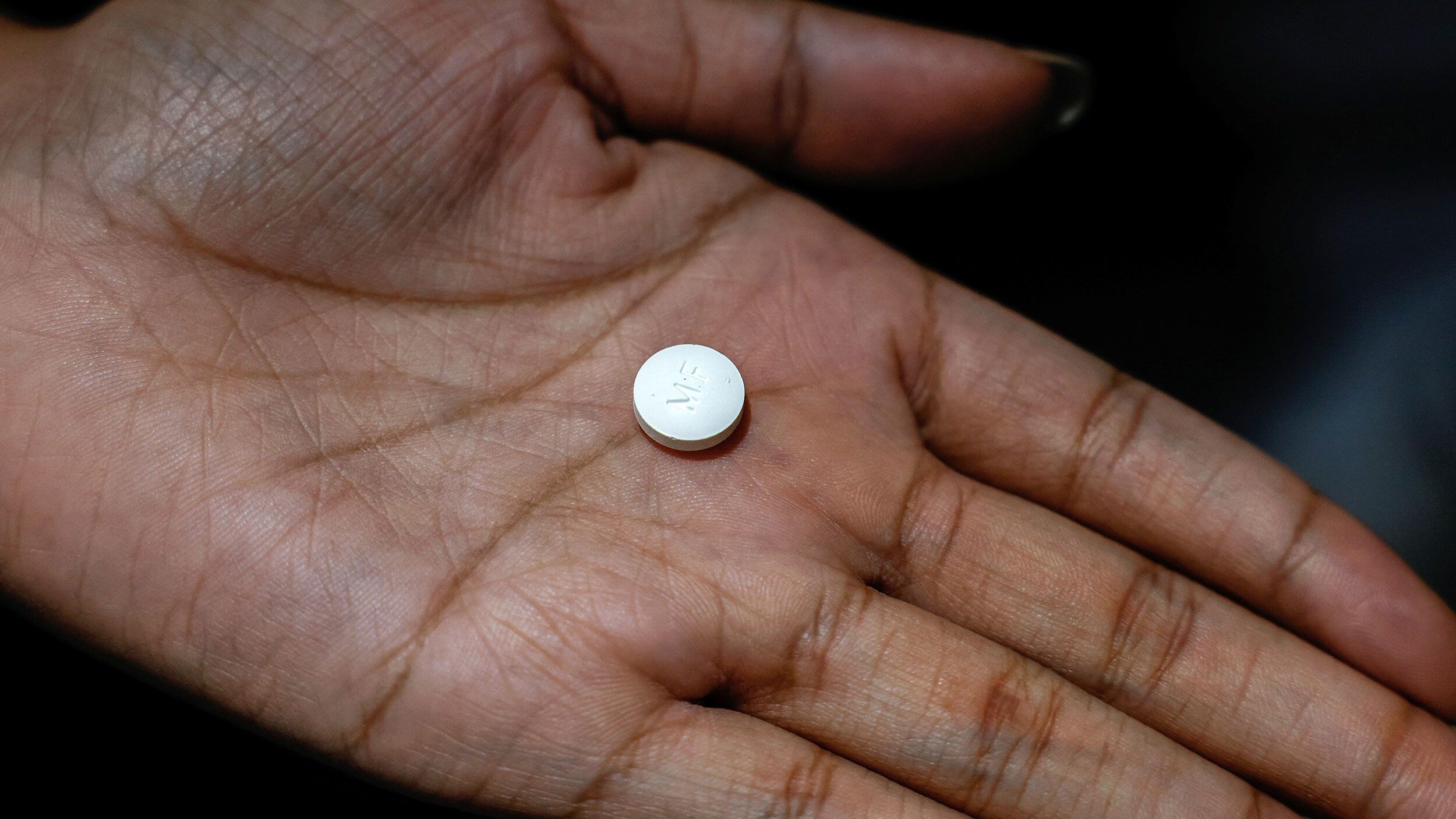
Self-managed abortions using mifepristone, one of the drugs used in a medication abortion, surged in the six months post-Dobbs, according to a new study.
(CNN) — Medication abortion has become increasingly common since it first became available in the United States two decades ago, and a new study finds that requests for abortion pills through sources outside of the formal healthcare system surged after the US Supreme Court’s Dobbs decision removed the federal right to an abortion.
In the six months after the Dobbs decision, there were about 26,000 more self-managed medication abortions than expected based on pre-Dobbs trends, according to the new research published in the medical journal JAMA on Monday.
Related: Supreme Court again confronts the issue of abortion
An earlier analysis found that abortions within formal healthcare settings fell by about 32,000 in the six months post-Roe, and this new data suggests that self-managed medication abortion may have made up a substantial part of that difference.
“What was once considered a marginal practice is becoming more mainstream,” said Abigail Aiken, an associate professor of public affairs at the University of Texas at Austin who led the research.
Researchers compiled data from 15 sources that provide pills for self-managed medication abortion, including telemedicine organizations such as Aid Access, community networks and online vendors. They tracked trends in the number of requests for abortion medications and adjusted based on the likelihood that they were used, which earlier estimates suggest is between 86% and 99% of the time. Requests specifically made for advance provision for later use were excluded, and other methods of self-managed abortion, such as herbs, botanicals and self-harm, were not assessed.
Self-managed abortions happen outside of the formal health-care system and without the formal supervision of a doctor or nurse, but most of the sources that provide pills for medication abortion also provide information and support through online help desks or peer-to-peer networks. The safety and effectiveness of medication abortion is well-established, and recent research has shown it’s just as safe through telehealth as through in-person clinics and similarly so when self-managed.
About half of the pills for self-managed medication abortions in the six months post-Dobbs were provided by community organizations, while another third were from telehealth providers and the remaining share were from online vendors, according to the new study.
The new research fills a significant gap in understanding abortion trends in the US by offering a first look at data on abortions that have occurred outside of the formal health-care system post-Dobbs.
While data on self-managed medication abortion trends is not available beyond the first six months post-Dobbs, separate analyses have tracked abortions within the formal US healthcare system longer term and found a shift in trends: Abortions actually increased in the full year post-Dobbs and beyond. In 2023, there were more abortions in the US than there have been in more than a decade, spurred by a surge in medication abortion.
On Tuesday, the US Supreme Court will hear oral arguments in a case that puts access to mifepristone, one of two pills used for medication abortion, at risk – even in states where abortion remains legal.
“Requiring in-clinic dispensing will prohibit legal telemedicine abortion; reinstating the physician-only requirement will eliminate advanced practice clinicians (APCs) from providing abortion care; and requiring in-clinic medication dispensing will halt progress on pharmacy availability of mifepristone,” doctors wrote in a commentary that also published in JAMA on Monday. “These rollbacks will disproportionately affect low-income individuals and those from historically marginalized populations (eg, based on race or ethnicity), who already experience the greatest barriers to health care.”
Many providers of self-managed medication abortion may continue to operate despite the outcome of the Supreme Court ruling.
“Aid Access will continue to serve people up to 13 weeks of pregnancy by mail. The providers are allowed to prescribe any medication “off-label” and are protected by the state’s shield laws,” Dr. Rebecca Gomperts, director of Aid Access, wrote in an email. She co-authored the new study, which directly assessed the use of Aid Access’ services.
But Gomperts and the other authors of the new research warn that healthcare providers may not be prepared to care for a significant rise in patients seeking formal healthcare before or after a self-managed abortion.
A continued increase in self-managed abortions can have “huge public health implications,” Aiken said. “Just because someone is now able to self-manage safely and effectively, that doesn’t mean that they won’t wish to interact with the formal health care setting at some point, either before, during or after their experience.”
They may seek assurance that what they’re experiencing throughout the process is normal and expected, a checkup to ensure they’re no longer pregnant or help managing an incomplete abortion, she said.
“I don’t think we’ve seen this kind of picture in the US for quite some time, and I don’t know that our system is really prepared for that,” Aiken said.
And a rise in self-managed abortion doesn’t necessarily mean it’s become a more preferred option for everyone using it.
Previous research has found that some people may opt for self-managed abortion for more privacy or comfort, distrust of the formal health-care system or for lower costs, but it’s also been shown to be a response to barriers.
“We have consistent findings that in response to abortion restrictions, particularly abrupt ones like the bringing in of an abortion ban, a trigger law, that the locus of where people are trying to access care shifts. So when abortion becomes less available in the formal health care setting, people will look outside of the formal health care setting to meet their needs,” Aiken said. “Self-managed abortion is probably here to stay at its increased levels for as long as we have that reduced access in the formal health care setting.”
CNN’s Meg Tirrell contributed to this report.
The-CNN-Wire
™ & © 2024 Cable News Network, Inc., a Warner Bros. Discovery Company. All rights reserved.