Patients in Utah receive fast care for stroke more often than patients in other states
May 13, 2025, 8:00 AM | Updated: May 14, 2025, 4:54 pm
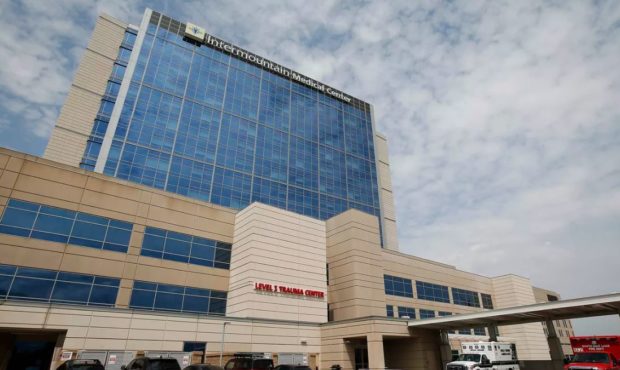
FILE: Intermountain Medical Center in Murray. (Jeffrey D. Allred/Deseret News)
(Jeffrey D. Allred/Deseret News)

Editor’s note: This story has been edited to more accurately reflect the designation earned by Utah hospitals from the American Heart Association. We regret the error.
SALT LAKE CITY — When it comes to quickly receiving medical intervention for acute ischemic stroke, people in Utah understand the assignment. Among the states that participate in the American Heart Association’s Get With the Guidelines improvement program, Utah has the highest proportion of stroke patients that get what the AHA calls “door-to-needle treatment times” of 45-minutes or less.
In other words, Utah patients with acute ischemic stroke receive fast care for the problem more often than similar patients in other states.
What is Get With the Program?
According to the American Heart Association’s webpage, GWTP is “designed to close treatment gaps” among hospitals and includes different modules for hospitals to follow, including one for stroke.
Related: Younger adults are becoming more susceptible to strokes
Within the program, the AHA recommends that stroke patients receive medicinal intervention within 45-minutes of the onset of symptoms.
According to information provided in the AHA’s Target: Stroke map, Utah has 17 hospitals participating in GWTP. And at 87%, Utah has the highest percentage of “door to needle within 45-minutes” patients.
‘Time is brain’
Stroke is the fifth leading cause of death in the United States. One in 20 adult deaths are due to strokes according to Intermountain Health.
When a person is having a stroke, time is of the essence.
“We often say in the stroke world that ‘Time is Brain.’ So every minute that you delay care costs brain cells,” said Paul Johnson, MD, Intermountain Health stroke neurologist and medical director of the Comprehensive Stroke Program at Intermountain Medical Center in Murray.
The American Heart Association’s “Get With The Guidelines” program recommends that stroke patients get medicinal intervention within 45-minutes.
“Stroke is a very time sensitive disease and when somebody’s having a stroke, it’s only a matter of time before you’ve had a permanent brain injury,” Johnson said. “So the sooner somebody comes to the hospital, the sooner we can prevent the stroke from happening and prevent that permanent brain injury.”
Related: Sleep problems linked to fivefold rise in stroke risk, study says
Intermountain Health credits state-of-the-art medications and innovative treatment protocols for being named fastest in the country. These, along with collaborations with all other involved heath care workers.
“We’ve been able to treat patients very, very quickly because we have worked very closely with the EMS crews, with the ER doctors, with our nurses in the ER, to make sure that we shave off every minute that we can” said Johnson.
Another important factor is seeking help at the first signs of stroke. The American Heart Association has a list of symptoms and facts to help people know what signs to look for.
Contributing | Simone Seikaly